Weighted Lying Twist: Form, Core Benefits, Sets & Tips
Learn the Weighted Lying Twist for stronger obliques, core control, and rotational stability. Includes setup, steps, tips, FAQs, and gear.
Weighted Lying Twist
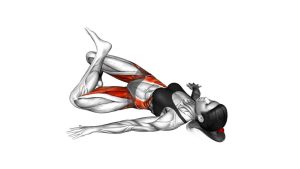
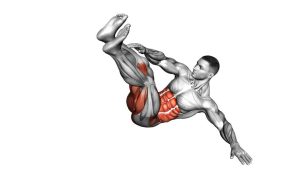
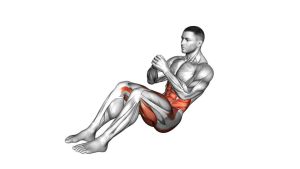
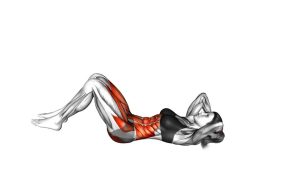
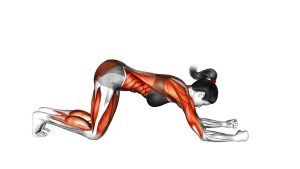
This exercise is excellent for building a stronger midsection because it challenges your core to rotate, resist momentum, and return the legs back to center under control. The added weight increases the stability demand through the upper body and makes the abs work harder to maintain a steady position. Although the movement looks simple, it requires patience, breathing control, and precise body alignment.
During each rep, the legs move as one unit while the upper body stays firm against the floor. The weight should remain above the chest instead of drifting with the legs. This creates a strong contrast between a stable upper body and a rotating lower body, which is exactly why the Weighted Lying Twist is useful for oblique strength, athletic core control, and better rotational coordination.
Quick Overview
| Body Part | Core |
|---|---|
| Primary Muscle | Obliques |
| Secondary Muscle | Rectus abdominis, transverse abdominis, hip flexors, deep spinal stabilizers |
| Equipment | Weight plate, dumbbell, medicine ball, or no weight for beginners |
| Difficulty | Intermediate |
Sets & Reps (By Goal)
- Core control: 2–3 sets × 8–10 reps per side with a slow tempo.
- Oblique strength: 3–4 sets × 8–12 reps per side using a moderate weight.
- Muscular endurance: 2–3 sets × 12–16 reps per side using light resistance.
- Beginner progression: 2 sets × 6–8 reps per side with no weight or a very light object.
- Advanced control: 3–4 sets × 6–10 reps per side with longer pauses near the bottom position.
Progression rule: Increase range of motion only after you can keep the shoulders grounded, the weight stable, and the lower back controlled. Add load last, not first.
Setup / Starting Position
- Lie on your back: Start flat on the floor or on an exercise mat. Keep your head, upper back, and shoulders relaxed against the surface.
- Hold the weight above your chest: Grip a weight plate, dumbbell, or medicine ball with both hands. Keep the arms extended upward with a slight bend in the elbows.
- Raise your legs: Bring your knees above your hips and bend them to about 90 degrees. Keep the knees together so both legs move as one unit.
- Brace your core: Pull the ribs slightly down, tighten the abs, and gently press the lower back toward the floor without forcing it flat.
- Set your gaze: Keep your head neutral and eyes facing upward. Avoid lifting the neck or pulling the chin aggressively toward the chest.
Setup tip: Before starting the twist, check that the weight is steady above the chest. If the weight wobbles before the first rep, choose a lighter load.
Execution (Step-by-Step)
- Brace before moving: Take a controlled breath, tighten your core, and keep the arms steady above your chest.
- Rotate the legs to one side: Slowly lower both knees toward one side while keeping them together. Let the pelvis rotate, but do not let the shoulders peel off the floor.
- Control the bottom range: Stop before your back arches or your opposite shoulder lifts too much. The legs do not need to touch the floor.
- Pause briefly: Hold the bottom position for a moment while keeping the abs tight and the weight stable above the chest.
- Return to center: Use your obliques to pull the legs back to the starting position. Move slowly instead of swinging.
- Repeat on the other side: Rotate the legs in the opposite direction with the same range, tempo, and control.
Pro Tips & Common Mistakes
Pro Tips
- Move like a slow windshield wiper: The legs should rotate smoothly from side to side without dropping or bouncing.
- Keep the weight quiet: A steady weight shows that your upper body is stable and your core is controlling the rotation.
- Use your breath: Exhale as you bring the legs back to center. This helps keep the ribs down and the abs engaged.
- Limit the range if needed: A smaller clean twist is better than a deep twist with poor spinal control.
- Keep the knees together: Separating the knees usually reduces tension and makes the movement less precise.
Common Mistakes
- Using momentum: Swinging the legs turns the exercise into a loose rotation instead of a controlled oblique drill.
- Letting the shoulders lift: If both shoulders roll off the floor, the upper body is no longer acting as a stable anchor.
- Choosing too much weight: Heavy loading can cause arm drifting, rib flare, and lower back strain.
- Arching the lower back: Losing core pressure reduces abdominal engagement and may stress the lumbar spine.
- Dropping too low: The legs should only travel as far as your core can control without compensation.
FAQ
What muscles does the Weighted Lying Twist work?
The Weighted Lying Twist mainly targets the obliques. It also trains the rectus abdominis, transverse abdominis, hip flexors, and deep stabilizers that help control your pelvis and spine.
Is the Weighted Lying Twist good for abs?
Yes. It is especially useful for training the abs through rotation and anti-momentum control. It does not replace crunches or planks, but it adds an important rotational challenge to a complete core routine.
Should beginners use weight for this exercise?
Beginners should usually start without weight. Once they can rotate the legs slowly while keeping the shoulders grounded and the lower back stable, they can add a light plate, dumbbell, or medicine ball.
How low should my legs go during the twist?
Lower the legs only as far as you can control. You do not need to touch the floor. Stop the rep when your shoulder starts lifting too much, your lower back arches, or your legs begin to drop quickly.
Can this exercise hurt my lower back?
It can bother the lower back if you use too much range, too much weight, or too much speed. Keep the reps slow, brace your core, and reduce the range if you feel pressure in the lumbar spine.
What weight should I use?
Start very light. A small weight plate, light dumbbell, or medicine ball is enough for most people. The goal is stability and control, not maximum loading.
How can I make the Weighted Lying Twist harder?
You can make it harder by increasing the pause at the bottom, extending the legs slightly farther away from the hips, slowing the tempo, or using a slightly heavier weight. Only progress one variable at a time.
Recommended Equipment
- Exercise Mat — provides comfort and grip while lying on the floor.
- Weight Plate — ideal for holding above the chest during the twist.
- Hex Dumbbell — a practical alternative if you do not have a plate.
- Medicine Ball — useful for controlled core rotation and beginner-friendly loading.
- Adjustable Ankle Weights — optional advanced tool for increasing lower-body resistance carefully.
Equipment tip: Choose a load that lets you move slowly. If the weight causes your arms to shake, your shoulders to lift, or your lower back to arch, use a lighter option.