Cable Reverse Crunch: Proper Form, Lower Abs Guide, Sets, Tips & FAQ
Learn the Cable Reverse Crunch for stronger lower abs with proper setup, step-by-step form, sets, mistakes, FAQs, and cable core training tips.
Cable Reverse Crunch
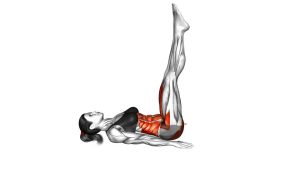
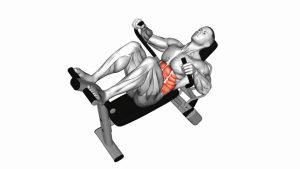
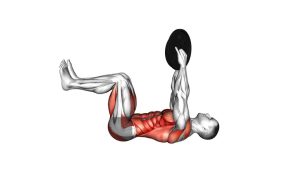
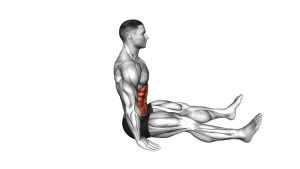
The Cable Reverse Crunch is especially useful for lifters who want a stronger lower-ab contraction with measurable resistance. It works best when the movement starts from the pelvis rather than the knees. Your legs should act as a lever, but your abs should control the lift. When performed correctly, the hips curl off the floor or bench, the lower back rounds slightly, and the knees travel toward the torso without turning the rep into a fast leg swing.
This exercise is often misunderstood because many people pull with the hip flexors instead of curling with the abs. A clean rep should feel compact, smooth, and controlled. The cable should stay tight during the full range of motion, but the weight should not be so heavy that it drags your legs down or forces you to rush the return. Think of the movement as a loaded pelvic curl, not a leg raise.
Quick Overview
| Body Part | Core |
|---|---|
| Primary Muscle | Rectus abdominis, especially the lower portion through posterior pelvic tilt |
| Secondary Muscle | Hip flexors, deep core stabilizers, obliques, and transverse abdominis |
| Equipment | Cable machine, low pulley, ankle straps, and floor mat or flat bench |
| Difficulty | Intermediate because the cable adds resistance and requires strong pelvic control |
Sets & Reps (By Goal)
- Core strength: 3–4 sets of 8–12 controlled reps with a 1-second squeeze at the top.
- Muscle growth: 3–5 sets of 10–15 reps using moderate cable resistance and a slow lowering phase.
- Lower-ab focus: 3 sets of 12–18 reps with short range, clean hip lift, and constant cable tension.
- Core endurance: 2–4 sets of 15–20 reps using lighter weight and strict control.
- Technique practice: 2–3 sets of 8–10 reps with very light resistance before progressing load.
Progression rule: Add reps first, then add a small amount of cable resistance. Do not increase weight if your hips stop curling, your legs swing, or your lower back slams down during the return.
Setup / Starting Position
- Set the cable low: Attach ankle straps to the lowest pulley setting. The cable should pull from behind your feet while you lie on your back.
- Secure both ankles: Fasten the ankle straps evenly so the cable tension feels balanced. Make sure the straps are snug but not painful.
- Lie down with control: Position yourself on a mat or flat bench facing away from the cable machine. Move far enough from the pulley so the cable stays tight at the bottom.
- Place your arms for support: Keep your hands beside your hips, hold the bench edges, or press your palms lightly into the floor. Your arms should stabilize your body, not pull you through the rep.
- Bend your knees slightly: Keep the legs relaxed enough to avoid hip-flexor dominance. A slight knee bend helps you focus on curling the pelvis instead of kicking the legs.
- Brace before moving: Pull your ribs down gently, tighten your abs, and keep your lower back close to the surface. This starting brace prepares the pelvis to curl upward.
Execution (Step-by-Step)
- Start with a braced core: Keep your upper back steady, ribs controlled, and hands planted for balance. Avoid arching your lower back before the rep begins.
- Begin with a pelvic tuck: Tilt your pelvis backward as if you are trying to bring your tailbone slightly off the floor. This small action starts the reverse crunch correctly.
- Curl your hips upward: Lift the hips off the surface by contracting your abs. The knees may move toward the chest, but the main action should come from the pelvis curling up.
- Keep the motion compact: Do not throw your legs overhead. Stop when your abs are fully squeezed and your hips have lifted without losing control.
- Pause at the top: Hold the peak contraction briefly. Keep breathing lightly and avoid pulling with momentum.
- Lower slowly: Return your hips to the surface one segment at a time. Resist the cable instead of letting it pull your legs down quickly.
- Reset without relaxing: Keep the cable tight and the abs engaged at the bottom. Begin the next rep only after your body is stable again.
Pro Tips & Common Mistakes
Pro Tips
- Use a light-to-moderate load: The Cable Reverse Crunch does not need heavy weight to be effective. A smaller load with better pelvic control usually creates a stronger ab contraction.
- Control the eccentric phase: Lowering slowly keeps the abs under tension and prevents the cable from pulling you out of position.
- Keep your upper body quiet: Your shoulders, arms, and neck should stay relaxed. Stability should come from the floor or bench, not from excessive bracing through the traps.
- Exhale near the top: Breathing out as you curl helps bring the ribs down and improves abdominal compression.
- Use a short pause: A 1-second squeeze at the top makes the rep cleaner and reduces momentum.
- Maintain cable tension: The cable should remain tight from the bottom position to the top contraction.
Common Mistakes
- Swinging the legs: Fast leg motion reduces ab tension and shifts the work toward the hip flexors.
- Using too much weight: Heavy resistance often causes jerky reps, lower-back strain, and poor control.
- Only pulling the knees in: The knees can travel, but the key action is the hip lift and pelvic curl.
- Dropping the hips down: Letting the lower back slam into the floor removes tension and increases irritation risk.
- Arching at the bottom: A large lower-back arch before each rep makes it harder to engage the abs correctly.
- Rushing the tempo: Fast reps make the cable reverse crunch look harder, but they usually make it less effective.
FAQ
What muscles does the Cable Reverse Crunch work?
The Cable Reverse Crunch mainly works the rectus abdominis, especially through the lower-ab region because the pelvis curls toward the ribs. It also involves the hip flexors, transverse abdominis, obliques, and deep stabilizers. However, the abs should feel like the main driver when the exercise is performed correctly.
Is the Cable Reverse Crunch good for lower abs?
Yes. It is one of the better cable exercises for emphasizing the lower portion of the abdominal movement pattern. The lower abs do not work as a completely separate muscle, but posterior pelvic tilt and hip lift mechanics strongly challenge the lower-ab region.
Should I use heavy weight on Cable Reverse Crunches?
No. Start light and focus on control. Heavy weight often causes swinging, hip-flexor pulling, or lower-back discomfort. Increase the load only when you can curl the pelvis smoothly and lower with full control.
Why do I feel Cable Reverse Crunches in my hip flexors?
You may be pulling your knees toward your chest instead of curling your hips upward. Reduce the weight, slow down, and focus on lifting the tailbone first. A slight knee bend can also help reduce excessive hip-flexor dominance.
Can beginners do the Cable Reverse Crunch?
Beginners can try it with very light resistance, but bodyweight reverse crunches are usually better first. Once you can lift your hips without swinging or arching your back, the cable version becomes a useful progression.
Should I do this exercise on the floor or on a bench?
Both options work. The floor is usually more stable and beginner-friendly. A bench can provide a better hand grip and may allow a smoother cable angle, but it requires more setup control.
How many times per week should I train Cable Reverse Crunches?
Most lifters can perform them 2–3 times per week as part of a core routine. Keep total volume moderate and avoid doing heavy loaded ab work every day if soreness affects your main lifts.
Recommended Equipment
- Cable Ankle Straps — essential for attaching both ankles securely to the low cable pulley.
- Thick Exercise Mat — adds comfort and support when performing the movement on the floor.
- Flat Weight Bench — provides a stable surface and hand grip option for bench-based cable reverse crunches.
- Cable Machine Attachment Set — useful for different cable ab exercises and strength-training variations.
- Ab Straps / Cable Core Straps — helpful for expanding cable core training with hanging or supported ab movements.
Choose equipment that feels secure and allows smooth cable movement. Avoid cheap straps that slip, rub, or place uneven pressure around the ankles.