Lying Prone Abdominal Stretch: Form, Benefits, Tips & FAQ
Learn the Lying Prone Abdominal Stretch to lengthen your abs, improve spinal extension, and release tight core tension safely.
Lying (Prone) Abdominal Stretch
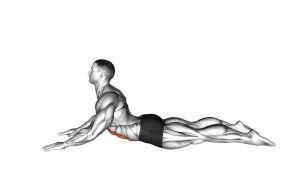
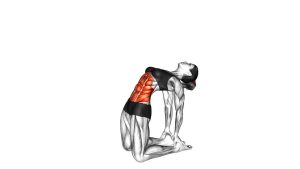
This exercise is especially useful after core training because crunches, sit-ups, leg raises, and planks can leave the abdominal muscles feeling tight. In addition, it can help counter the rounded position created by long sitting, desk work, or repeated forward bending. However, the goal is not to force a deep backbend. Instead, the goal is to lift smoothly, breathe steadily, and feel a clean stretch through the front of the body.
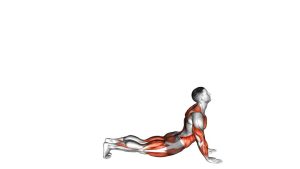
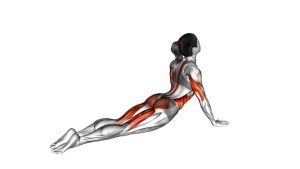
During the movement, the hips stay on the floor while the chest rises gradually. As a result, the stretch stays focused on the rectus abdominis and nearby core tissues. Meanwhile, the shoulders should stay relaxed, and the neck should follow the line of the spine. Therefore, you should choose a range that feels open and comfortable, not compressed or painful.
Quick Overview
| Body Part | Abs |
|---|---|
| Primary Muscle | Rectus abdominis |
| Secondary Muscle | Obliques, hip flexors, spinal extensors, chest, shoulders |
| Equipment | No equipment required. However, an exercise mat can improve comfort. |
| Difficulty | Beginner |
Sets & Reps (By Goal)
- General flexibility: 2–3 sets × 20–30 second holds. Rest briefly between each hold.
- Post-workout recovery: 1–3 sets × 20–45 second holds after core or full-body training.
- Mobility warm-up: 1–2 sets × 6–8 slow reps. Pause for 2–3 seconds at the top.
- Desk posture reset: 1–2 sets × 15–25 second holds. Use a gentle range and relaxed breathing.
- Beginner practice: 2 sets × 10–20 second holds. Keep the elbows slightly bent if needed.
Progression rule: First, increase hold time. Then, if your back still feels comfortable, lift slightly higher. However, never progress by forcing the elbows straight or pushing aggressively through the hands.
Setup / Starting Position
- Lie face down: Start on your stomach with your legs extended behind you. Then, let the tops of your feet rest on the floor.
- Place your hands beside the ribs: Position your palms near the lower chest or slightly under the shoulders. This setup gives you support without forcing height.
- Relax your lower body: Keep the thighs, hips, and pelvis grounded. As a result, the stretch stays focused on the front of the torso.
- Lengthen your spine: Before lifting, imagine reaching your head forward and your legs backward. This cue helps create space before extension.
- Set your shoulders: Gently draw the shoulders away from your ears. In addition, keep the chest open without squeezing the upper back too hard.
- Prepare your breathing: Take a slow inhale before you rise. Then, exhale gently as you settle into the stretch.
If the full stretch feels too intense, keep your elbows bent and lift only a few inches. In many cases, a low cobra-style position is enough to create an effective abdominal stretch.
Execution (Step-by-Step)
- Begin from the prone position: Keep your stomach on the floor, your legs long, and your hands planted beside your ribs.
- Press lightly through your palms: Next, begin lifting the chest away from the floor. Use your arms for support, but do not force the movement.
- Let the spine extend gradually: As you rise, allow the upper body to open in a smooth sequence. Meanwhile, keep your hips connected to the ground.
- Find a comfortable stretch: Stop when you feel length through the stomach and front ribs. However, lower slightly if the lower back feels compressed.
- Keep the shoulders relaxed: Draw the shoulder blades gently down. Also, avoid shrugging or jamming the neck upward.
- Hold and breathe: Stay at the top for the chosen time. During the hold, breathe slowly and allow the abdomen to soften.
- Lower with control: Finally, bend your elbows and return the chest to the floor without dropping quickly.
- Reset before repeating: After each rep or hold, pause briefly. Then, repeat only if the stretch still feels smooth and pain-free.
Pro Tips & Common Mistakes
Pro Tips
- Move slowly: Slow movement gives the spine time to extend naturally. Therefore, avoid rushing into the top position.
- Keep your hips grounded: When the hips stay down, the abdominal wall lengthens more effectively. In contrast, lifted hips reduce the stretch.
- Use your arms gently: Your hands should support the lift. However, they should not force your spine into a painful range.
- Breathe through the hold: Slow breathing reduces tension. Additionally, it helps you relax into the stretch without pushing harder.
- Choose the right height: A lower position is often better for beginners. As your mobility improves, you can gradually rise higher.
- Use it after ab training: This stretch pairs well after crunches, reverse crunches, hanging leg raises, planks, and cable crunches.
Common Mistakes
- Overarching the lower back: Pushing too high can create compression. Instead, stop at the first comfortable stretch.
- Lifting the hips: If the hips rise, the body loses the prone abdominal stretch position. Therefore, keep the pelvis heavy on the floor.
- Shrugging the shoulders: Shoulder tension can make the neck uncomfortable. Instead, keep the shoulders low and relaxed.
- Locking the elbows too hard: Straight arms are optional. If needed, keep the elbows soft to protect the lower back.
- Holding the breath: Breath-holding increases tension. Instead, use slow inhales and calm exhales.
- Bouncing at the top: Bouncing may irritate the spine or abdominal tissue. Therefore, hold the stretch steadily.
FAQ
What is the Lying (Prone) Abdominal Stretch good for?
The Lying (Prone) Abdominal Stretch is good for lengthening the front of the core, improving gentle spinal extension, and reducing tightness after ab training. In addition, it can help balance workouts that include many crunching or forward-bending movements.
Where should I feel this stretch?
You should feel it across the front of the abdomen, especially through the rectus abdominis. You may also feel a mild stretch through the hip flexors or chest. However, you should not feel sharp pain in the lower back.
Should my hips stay on the floor?
Yes, your hips should stay on the floor. This position keeps the stretch focused on the abdominal wall. Otherwise, the movement may turn into a push-up variation instead of a controlled core stretch.
Is this the same as a cobra stretch?
It is very similar to a cobra-style stretch. However, this version focuses specifically on abdominal length, controlled spinal extension, and safe range selection rather than forcing a deep yoga posture.
Can beginners do the Lying Prone Abdominal Stretch?
Yes, beginners can do this stretch safely when they use a small range. First, start with bent elbows and a low chest lift. Then, increase the hold time only when the position feels comfortable.
How long should I hold the stretch?
Most people can hold the stretch for 20–30 seconds. However, if you are using it after a workout and the position feels comfortable, you can hold it for up to 45 seconds while breathing slowly.
Why does my lower back hurt during this stretch?
Lower-back discomfort often happens when you push too high, lock the elbows too aggressively, or compress the spine. Therefore, reduce the range, bend the elbows, and focus on creating length through the torso.
When should I avoid this exercise?
Avoid this stretch if you have acute back pain, recent abdominal surgery, severe spinal irritation, or nerve-like symptoms. Also, seek professional guidance if extension-based movements make your symptoms worse.
Recommended Equipment (Optional)
- Thick Exercise Mat — provides comfort under the ribs, hips, knees, and feet during prone stretching.
- Non-Slip Yoga Mat — helps keep your hands stable as you press into the stretch.
- Yoga Blocks — useful for modified stretching routines and supportive mobility work.
- Stretching Strap — helpful for pairing this stretch with hip flexor, quad, and full-body mobility drills.
- Foam Roller — supports recovery work for the upper back, hips, and surrounding muscles.
Equipment is optional. However, a comfortable mat is highly useful because it allows you to relax into the stretch without pressure on the ribs, hips, or knees.