Suspender Body Saw: Core Form, Sets, Tips & FAQ
Learn the Suspender Body Saw to build stronger abs, obliques, and anti-extension core control with step-by-step form, sets, tips, FAQs, and gear.
Suspender Body Saw
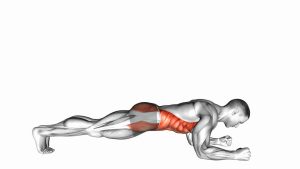
This movement is best performed with slow control, strong bracing, and a straight body line from head to heels. Because the feet are suspended, the core has to fight harder than it would during a standard forearm plank. Therefore, the goal is not to move fast or cover a huge distance. Instead, your goal is to maintain a solid plank while your shoulders glide slightly forward past the elbows and then return under control.
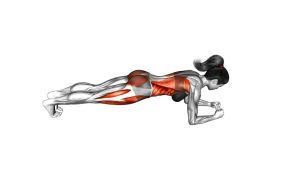
In the video, the athlete begins in a forearm plank with both feet secured in suspension straps. Then, the body shifts forward as one solid unit while the hips stay level. After a brief controlled reach, the athlete pulls back to the starting plank position without sagging the lower back or piking the hips. This smooth forward-and-back motion is what gives the exercise its “saw” pattern.
Quick Overview
| Body Part | Core |
|---|---|
| Primary Muscle | Rectus abdominis |
| Secondary Muscle | Obliques, transverse abdominis, anterior deltoids, serratus anterior, glutes, hip flexors |
| Equipment | Suspension trainer / straps |
| Difficulty | Intermediate to advanced |
Sets & Reps (By Goal)
- Core stability: 3–4 sets × 8–12 controlled reps, resting 60–90 seconds between sets.
- Strength endurance: 3 sets × 12–15 reps with a short range and steady tempo.
- Advanced core strength: 4–5 sets × 6–10 slower reps with a 1–2 second pause in the forward position.
- Plank progression: 2–3 sets × 6–8 reps after mastering regular forearm planks and suspension planks.
Progression rule: First increase control, then increase range. Once you can move without back sagging, add a longer forward glide or a slower tempo.
Setup / Starting Position
- Adjust the straps: Set the suspension handles low enough so your feet can rest securely inside them while you hold a forearm plank.
- Place your forearms on the floor: Keep elbows under the shoulders and forearms roughly parallel. Your hands can stay relaxed or lightly clasped.
- Secure your feet: Put both feet into the straps and straighten your legs behind you. The straps should hold the feet slightly above the floor.
- Build your plank: Brace your abs, squeeze your glutes, and keep your ribs pulled down. Your body should form one long line.
- Set your neck: Keep the head neutral and look slightly down. Avoid lifting the chin or dropping the head.
Start with a small range of motion. Since the suspended feet make the plank unstable, even a short forward glide can create a strong core challenge.
Execution (Step-by-Step)
- Brace before moving: Tighten your abs as if preparing for a plank hold. Keep the hips level and the ribs down.
- Glide forward slowly: Push your body forward so your shoulders travel slightly in front of your elbows. At the same time, your feet move backward in the straps.
- Keep the body rigid: Do not bend at the hips, arch the lower back, or let the belly drop. The whole body should move as one solid plank.
- Pause with control: Hold the forward position briefly while keeping steady breathing and strong abdominal tension.
- Pull back to neutral: Use your core and shoulder control to slide back until your shoulders return closer to elbow alignment.
- Reset before the next rep: Recheck your plank line, then repeat with the same smooth tempo.
Pro Tips & Common Mistakes
- Move like a plank: The hips, ribs, and shoulders should travel together. If the hips lag behind, the lower back may take over.
- Do not rush the saw: A slower tempo increases tension and improves control. Momentum reduces the benefit.
- Keep the ribs down: Rib flare usually leads to spinal extension. Therefore, exhale lightly and keep the abs locked in.
- Avoid shoulder collapse: Push the floor away through your forearms so the shoulder blades stay active and stable.
- Limit the forward range: Going too far forward can overload the shoulders and lower back. Stop before your form breaks.
- Squeeze the glutes: Glute tension helps protect the lower back and keeps the pelvis from tipping forward.
- Use a stable anchor: Before starting, make sure the suspension trainer is firmly attached and the straps are even.
- Regress when needed: If suspension straps feel too difficult, practice forearm body saws with sliders or a standard long-lever plank first.
FAQ
What muscles does the Suspender Body Saw work?
The Suspender Body Saw mainly targets the rectus abdominis. However, the obliques, transverse abdominis, shoulders, serratus anterior, glutes, and hip flexors also assist because the body must stay stable while the feet move in the straps.
Is the Suspender Body Saw good for abs?
Yes. It is excellent for building strong abs because it challenges the core through anti-extension. Instead of flexing the spine like a crunch, it teaches your abs to resist lower-back arching under movement.
Why does my lower back hurt during this exercise?
Lower-back discomfort usually means the range is too large, the abs are losing tension, or the hips are sagging. Shorten the movement, squeeze the glutes, and keep the ribs pulled down. If pain continues, stop the exercise.
Is this exercise beginner-friendly?
It is not usually a true beginner exercise. Most people should first master forearm planks, long-lever planks, and basic suspension planks before adding the body saw motion.
How far should I move forward and backward?
Move only as far as you can while keeping a straight body line. For many lifters, a small glide is enough. As your core strength improves, you can gradually increase the distance.
Can I do the Suspender Body Saw at home?
Yes. You can do it at home with a secure suspension trainer anchor. However, always check the anchor, straps, and floor surface before training.
Recommended Equipment
- Suspension Trainer System — the main tool needed for Suspender Body Saws and other suspended core exercises.
- Door Anchor for Suspension Trainer — useful for home setups when you need a secure indoor anchor point.
- Thick Exercise Mat — protects the elbows and forearms during plank-based core training.
- Core Sliders — helpful for practicing body saw regressions before using suspension straps.
- Forearm Plank Pad — adds comfort during longer plank sets and reduces pressure on the elbows.
Tip: Choose equipment that supports stable, controlled reps. For this exercise, secure anchoring and comfortable forearm support matter more than heavy resistance.