Suspender Supine Crunch: Form, Core Benefits, Sets & Tips
Learn the Suspender Supine Crunch for stronger abs, better core control, and suspension stability with step-by-step form, tips, FAQs, and equipment.
Suspender Supine Crunch
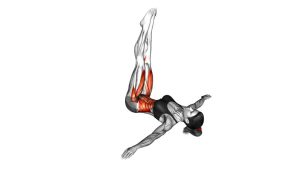
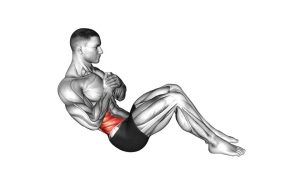
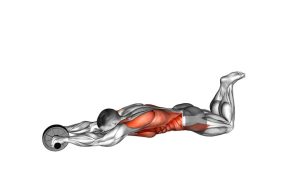
This movement is excellent for building the rectus abdominis, improving core awareness, and learning how to keep the lower body stable during suspension-based exercises. In addition, the suspended foot position adds a small anti-swing challenge, which makes the exercise more demanding than a regular floor crunch. However, the movement should still feel precise, compact, and controlled.
For best results, focus on a clean spinal curl instead of using momentum. First, brace gently through the midsection. Then, lift the shoulders off the floor while keeping the lower back controlled. Finally, lower slowly until the upper back returns to the floor without completely losing tension.
Quick Overview
| Body Part | Core |
|---|---|
| Primary Muscle | Rectus abdominis |
| Secondary Muscle | Deep core stabilizers, transverse abdominis, hip flexors, obliques |
| Equipment | Suspension trainer / suspender straps and exercise mat |
| Difficulty | Beginner to Intermediate |
Sets & Reps (By Goal)
- Beginner control: 2–3 sets × 8–10 reps with a slow tempo and full reset between reps.
- Core endurance: 3 sets × 12–15 reps while keeping strap swing minimal.
- Muscle activation: 2–4 sets × 10–12 reps with a 1–2 second squeeze at the top.
- Strength focus: 3–4 sets × 8–12 reps using a slower lowering phase of 3–4 seconds.
- Warm-up use: 1–2 sets × 8–10 controlled reps before a larger core or suspension workout.
Progression rule: First improve control, then increase reps. After that, slow the lowering phase or add a longer top squeeze. Avoid progressing if your straps swing, your neck pulls forward, or your lower back arches.
Setup / Starting Position
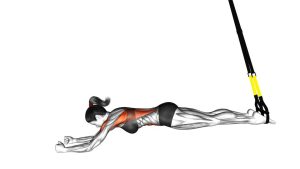
- Set the suspension straps low: Adjust the handles or foot cradles so your feet can rest securely while you lie on your back.
- Lie supine: Position yourself on an exercise mat with your head, shoulders, spine, and hips supported by the floor.
- Place your feet in the straps: Secure both feet evenly so the straps hang straight and do not twist.
- Set your leg position: Keep the knees slightly bent or comfortably extended, depending on your control level.
- Brace your core: Gently tighten your abs as if preparing for a small cough. Keep your ribs down and avoid flaring the chest.
- Relax your neck: Keep the chin slightly tucked and avoid pulling the head forward aggressively.
- Prepare the arms: Keep your arms beside your body, across your chest, or lightly reaching forward. Choose the position that helps you stay controlled.
Tip: Before your first rep, pause for a moment and let the straps settle. This makes the crunch cleaner and reduces unwanted swinging.
Execution (Step-by-Step)
- Start with a stable body: Keep your feet secure in the straps and press your lower back gently toward the floor.
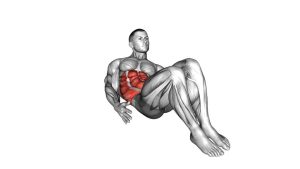
- Exhale and curl upward: Lift your head, shoulders, and upper back off the mat by bringing your ribs toward your hips.
- Keep the crunch compact: Do not try to sit fully upright. Instead, stop when your abs are strongly contracted.
- Control the straps: Keep your legs steady and prevent the straps from swinging side to side.
- Pause briefly: Hold the top position for 1 second while squeezing the abs.
- Lower slowly: Return your upper back to the floor with control. Let the spine uncurl gradually instead of dropping down.
- Reset before the next rep: Maintain light core tension, breathe, and repeat with the same controlled pattern.
Pro Tips & Common Mistakes
Pro Tips
- Exhale as you crunch: This helps the ribs move down and improves abdominal contraction.
- Keep the movement small: A shorter, cleaner crunch is usually more effective than a large, sloppy sit-up.
- Control the eccentric: Lower slowly because the descent builds strength and improves body control.
- Use the straps as feedback: If they swing, your core is losing stability or your tempo is too fast.
- Keep your chin neutral: Imagine holding a small orange between your chin and chest to reduce neck strain.
- Brace before each rep: A light brace protects the lower back and keeps the abs working first.
Common Mistakes
- Pulling with the neck: This shifts tension away from the abs and may cause discomfort.
- Using momentum: Swinging up quickly reduces core tension and makes the exercise less effective.
- Letting the straps move too much: Excessive swinging means the lower body is not stable enough.
- Arching the lower back: This may reduce abdominal engagement and increase spinal stress.
- Sitting up too high: Turning the crunch into a sit-up can shift more work into the hip flexors.
- Relaxing completely at the bottom: Losing all tension makes every rep less controlled.
FAQ
What muscles does the Suspender Supine Crunch work?
The main target is the rectus abdominis, which creates the crunching action. In addition, the deep core stabilizers, obliques, and hip flexors assist by keeping the pelvis and legs steady while the feet are suspended.
Is the Suspender Supine Crunch beginner-friendly?
Yes, it can be beginner-friendly when performed slowly with a small range of motion. However, the suspension straps add instability, so beginners should focus on control before increasing reps or tempo.
Should I feel this exercise in my neck?
No. You may feel mild neck support work, but the main effort should come from your abs. If your neck feels strained, reduce the range, keep your chin slightly tucked, and avoid pulling the head forward.
Why do my straps swing during the exercise?
Strap swing usually happens when the rep is too fast, the core brace is weak, or the legs are not controlled. Slow down, pause at the bottom, and keep your feet evenly loaded in the straps.
Can this exercise replace regular crunches?
It can be used instead of regular crunches when you want more core stability and suspension control. However, regular floor crunches are still useful for learning the basic rib-to-pelvis movement before adding instability.
How can I make the Suspender Supine Crunch harder?
You can make it harder by slowing the lowering phase, adding a longer squeeze at the top, increasing reps, or extending the legs more fully. Still, only progress when your straps remain steady and your lower back stays controlled.
Recommended Equipment
- Suspension Trainer Straps — the main tool needed for performing suspended-foot crunch variations at home or in the gym.
- Thick Exercise Mat — adds comfort for the spine, shoulders, and head during supine core exercises.
- Door Anchor for Suspension Trainer — useful for setting up suspension straps safely at home when a fixed anchor is not available.
- Core Sliders — helpful for related ab progressions such as body saws, knee tucks, and controlled core drills.
- Mini Resistance Bands — useful for activating hips and core stabilizers before suspension training sessions.
Tip: Choose equipment that allows a stable setup. A secure anchor, comfortable mat, and properly adjusted straps make this exercise safer and more effective.