Seated Leg Raises Hold on Chair: Form, Benefits, Sets & Core Tips
Learn Seated Leg Raises Hold on Chair for stronger abs, hip flexors, and core control. Includes setup, steps, sets, mistakes, FAQ, and gear.
Seated Leg Raises Hold on Chair
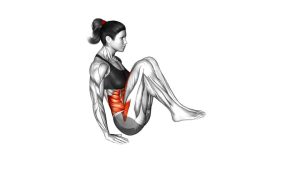
This exercise works best when the body stays steady and the legs move smoothly. First, the knees lift from the floor. Then, the legs extend forward into a strong hold. Finally, the legs lower back down without dropping or swinging. As a result, the movement builds core control, hip flexor strength, and lower-body coordination.
Quick Overview
| Body Part | Core |
|---|---|
| Primary Muscle | Rectus abdominis and hip flexors |
| Secondary Muscle | Quadriceps, deep core stabilizers, and lower abdominal region |
| Equipment | Chair |
| Difficulty | Beginner to Intermediate, depending on hold time and leg extension quality |
Sets & Reps (By Goal)
- Beginner core control: 2–3 sets × 6–8 reps with a 1–2 second hold
- Core endurance: 3–4 sets × 8–12 reps with a 2–4 second hold
- Hip flexor strength: 3 sets × 6–10 slower reps with a strict extended-leg pause
- Isometric challenge: 3–5 sets × 10–20 second holds with controlled breathing
- Warm-up activation: 1–2 sets × 6–8 easy reps before core or lower-body training
Progression rule: Increase hold time first. After that, increase reps only if your torso stays steady, your legs move without swinging, and your lower back stays comfortable.
Setup / Starting Position
- Sit on a stable chair: Choose a chair that does not slide, wobble, or roll during the movement.
- Place your hands beside your hips: Grip the chair edges or press your palms down for support.
- Set your posture: Keep your chest lifted, spine tall, and shoulders relaxed.
- Start with bent knees: Keep both feet on the floor before each repetition begins.
- Brace lightly: Tighten your abs as if preparing for a small cough, but continue breathing normally.
Tip: If the chair feels unstable, place it against a wall. This helps you focus on the leg raise instead of fighting the chair position.
Execution (Step-by-Step)
- Begin seated tall: Keep your hands pressing into the chair and your feet flat on the floor.
- Lift the feet: Raise both feet off the floor while keeping your knees bent at first.
- Extend the legs forward: Slowly straighten your knees until your legs reach forward in front of the chair.
- Hold the top position: Pause with the legs extended while keeping your torso steady and your abs engaged.
- Lower with control: Bend the knees slightly and return the feet toward the floor without dropping them quickly.
- Reset before the next rep: Regain posture, breathe, and repeat with the same controlled tempo.
Pro Tips & Common Mistakes
- Use the chair for support: Press down through your hands to keep the torso stable during the lift.
- Control the extension: Straighten the legs only as far as you can without losing posture.
- Avoid swinging: Momentum reduces core tension and makes the exercise less effective.
- Do not collapse backward: A small natural lean may happen, but the torso should not rock aggressively.
- Keep the descent slow: Lowering with control trains the abs and hip flexors more effectively.
- Breathe during the hold: Holding your breath can increase unnecessary tension.
- Modify when needed: If full leg extension is too hard, keep the knees bent and hold a smaller range.
FAQ
What muscles does the Seated Leg Raises Hold on Chair work?
It mainly works the abs and hip flexors. Additionally, the quadriceps help straighten the knees, while the deep core muscles help keep the torso stable during the hold.
Is this exercise good for beginners?
Yes, it can be beginner-friendly when performed with bent knees, short holds, and a small range of motion. However, full leg extension makes it more challenging, so progress gradually.
Should I feel this in my hip flexors?
Yes, some hip flexor work is expected because the legs are lifted from a seated position. Even so, your abs should stay active to prevent excessive lower-back strain.
Why does my lower back feel pressure during chair leg raises?
Lower-back pressure often happens when the legs extend too far, the torso leans back too much, or the core loses tension. Reduce the range, keep the knees slightly bent, and focus on slow control.
How can I make this exercise harder?
You can increase the hold time, slow down the lowering phase, straighten the legs more fully, or add light ankle weights. However, only progress when you can keep the chair stable and the movement clean.
Recommended Equipment (Optional)
- Sturdy Workout Chair — gives you a stable base for seated core exercises and leg raise holds
- Adjustable Ankle Weights — adds resistance once bodyweight holds become easy
- Non-Slip Exercise Mat — helps keep the chair from sliding on smooth floors
- Resistance Bands Set — useful for pairing this drill with seated rows, hip flexor work, and core activation
- Yoga Blocks / Foam Support Blocks — helpful for modified ranges, seated support, and beginner-friendly core progressions
Tip: Start with a stable chair before adding any resistance. Better control comes first; more difficulty comes later.