Leg Raise Hip Lift with Head Up: Form, Sets, Tips & FAQ
Learn the Leg Raise Hip Lift with Head Up to target lower abs, improve core control, and build stronger hip-lift strength with safe form.
Leg Raise Hip Lift with Head Up
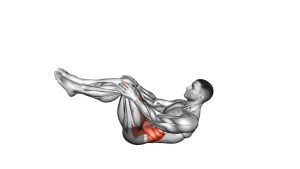
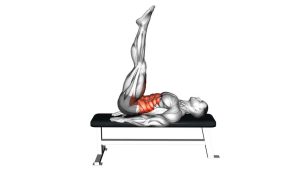
This exercise is excellent for building lower abdominal strength, improving pelvic control, and teaching the body how to resist lower-back extension during leg-lowering movements. Because the head remains up, the exercise feels more demanding than a standard lying leg raise. It also encourages constant abdominal tension from the beginning of the rep to the end.
The most important detail is the hip lift. After the legs reach a near-vertical position, the pelvis should curl upward slightly. This movement should look like a small reverse crunch, not a large swing. Keep the lift compact, controlled, and driven by the abs.
Quick Overview
| Body Part | Core |
|---|---|
| Primary Muscle | Rectus abdominis, especially the lower abdominal region |
| Secondary Muscle | Hip flexors, obliques, transverse abdominis, and upper abs |
| Equipment | No equipment required. Optional exercise mat for comfort. |
| Difficulty | Intermediate because the head-up position and hip lift increase core demand |
Sets & Reps (By Goal)
- Beginner core control: 2–3 sets × 6–8 reps with slow, clean movement.
- Lower-ab strength: 3–4 sets × 8–12 reps with a controlled hip lift at the top.
- Muscle endurance: 3 sets × 12–15 reps while keeping the legs from dropping quickly.
- Core finisher: 2–3 sets × 10–15 reps near the end of an ab workout.
- Tempo focus: 3 sets × 6–10 reps using a 2-second raise, 1-second hip lift, and 3-second lower.
Progression rule: First improve control and tempo. Then add reps. Only progress to harder versions when your lower back stays stable and the hip lift remains small and smooth.
Setup / Starting Position
- Lie on your back: Start on a flat surface or exercise mat. Keep your body long and centered.
- Place your arms by your sides: Keep the hands near the hips or lightly under the glutes if you need extra lower-back support.
- Lift your head and shoulders: Bring the head slightly off the floor, as if holding a small crunch. Keep the neck long rather than pulling the chin aggressively into the chest.
- Brace your core: Press the lower back gently toward the floor before moving the legs.
- Start with legs low: Extend both legs together and let them hover above the floor. Bend the knees slightly if straight legs are too difficult.
Execution (Step-by-Step)
- Brace before you move: Tighten your abs gently and keep the head lifted. Your ribs should stay down instead of flaring upward.
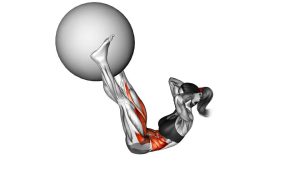
- Raise both legs together: Lift the legs toward the ceiling with control. Keep the movement smooth and avoid kicking or swinging.
- Reach the top position: Stop when your legs are close to vertical. Do not relax at the top.
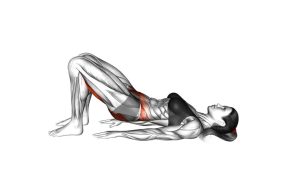
- Lift your hips slightly: Curl the pelvis upward by using your lower abs. The hips should rise only a small amount from the floor.
- Pause briefly: Hold the top contraction for a short moment while keeping your legs stacked and your head up.
- Lower the hips first: Return the pelvis to the floor with control before lowering the legs.
- Lower the legs slowly: Bring the legs back down without letting the lower back arch. Stop before the feet touch the floor if you want constant tension.
- Repeat cleanly: Begin the next rep only when the core is still braced and the body is stable.
Pro Tips & Common Mistakes
Pro Tips
- Keep the hip lift small: A few centimeters is enough when the abs are doing the work.
- Control the lowering phase: The descent builds strength, so avoid dropping the legs.
- Keep your head lifted but relaxed: The head-up position adds upper-ab tension, but the neck should not take over.
- Use a slight knee bend if needed: This makes the exercise easier while keeping the same core pattern.
- Exhale during the hip lift: A strong exhale helps pull the ribs down and improves pelvic control.
Common Mistakes
- Swinging the legs: Momentum reduces abdominal tension and makes the hip lift less effective.
- Arching the lower back: This usually happens when the legs lower too far or too fast.
- Lifting the hips too high: A large kick can turn the exercise into a swing instead of a controlled reverse crunch.
- Pulling on the neck: Keep the neck long and avoid forcing the chin down.
- Resting between every rep: Letting the feet touch down removes tension and makes the set less effective.
FAQ
What muscles does the Leg Raise Hip Lift with Head Up work?
It mainly targets the rectus abdominis, with strong emphasis on the lower-ab region during the hip lift. The hip flexors help raise the legs, while the obliques and transverse abdominis stabilize the pelvis.
Is this exercise better than a regular leg raise?
It is harder than a regular leg raise because it adds a hip lift and keeps the head elevated. The hip lift adds more abdominal shortening, while the head-up position keeps extra tension through the upper abs.
Should my hips come high off the floor?
No. The hip lift should be small and controlled. If the hips fly upward, you are probably using momentum instead of lower-ab control.
Why does my lower back arch during this exercise?
Your legs may be lowering too far, your core may be losing tension, or the variation may be too advanced right now. Bend your knees slightly, reduce the range, and keep your lower back gently pressed toward the floor.
Can beginners do the Leg Raise Hip Lift with Head Up?
Beginners can do it if they use a smaller range and bend the knees. However, complete beginners may want to start with bent-knee reverse crunches or lying knee raises first.
How do I make this exercise harder?
Lower the legs more slowly, keep the feet hovering between reps, extend the knees fully, or add a longer pause during the hip lift. Do not add speed to make it harder.
Recommended Equipment
- Exercise Mat — adds comfort for the spine, hips, and head during floor-based ab exercises.
- Thick Yoga Mat — useful if you need extra cushioning for repeated leg raise and hip lift work.
- Adjustable Ankle Weights — optional progression for advanced users who already control the movement perfectly.
- Ab Workout Mat — supports comfortable floor training and helps maintain consistent body position.
- Resistance Bands Set — helpful for pairing this exercise with anti-extension, anti-rotation, and full-core training.
Tip: Equipment is optional. Master the bodyweight version first before adding ankle weights or harder progressions.