Weighted Captain’s Chair Leg Raise: Form, Benefits, Sets & Core Tips
Learn the Weighted Captain’s Chair Leg Raise for stronger abs, hip flexors, and core control. Includes setup, steps, tips, mistakes, FAQs, and equipment.
Weighted Captain’s Chair Leg Raise
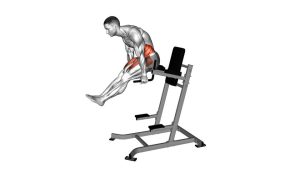
This exercise is best used when you already control standard captain’s chair knee raises and bodyweight leg raises. Because the dumbbell increases resistance at the bottom of the movement, every rep should feel deliberate. Start by securing your forearms on the pads, pressing your back into the support, and holding the dumbbell firmly between your feet. Then, lift your legs by bracing your abs and flexing your hips while keeping the upper body still.
Although the movement looks simple, the weighted version requires excellent control. If the legs swing, the abs lose tension. If the lower back arches too much at the bottom, the hip flexors may dominate. Therefore, the best reps stay smooth from start to finish. Use a smaller range of motion at first, then increase height only when you can lift the dumbbell without momentum.
Quick Overview
| Body Part | Core |
|---|---|
| Primary Muscle | Rectus abdominis, with strong emphasis on lower abdominal control |
| Secondary Muscle | Hip flexors, obliques, transverse abdominis, forearms, shoulders, and trunk stabilizers |
| Equipment | Captain’s chair / vertical knee raise station and a dumbbell held between the feet |
| Difficulty | Advanced because the added weight increases leverage, grip demand, hip flexor load, and core stability requirements |
Sets & Reps (By Goal)
- Core strength: 3–4 sets of 6–10 controlled reps with 60–90 seconds of rest.
- Muscle building: 3–5 sets of 8–12 reps using a moderate dumbbell and a slow lowering phase.
- Lower-ab control: 2–4 sets of 8–15 reps with lighter weight and a 1–2 second pause at the top.
- Advanced conditioning: 3 rounds of 10–15 reps, but only if you can avoid swinging throughout the set.
- Technique practice: 2–3 sets of 5–8 reps with a very light dumbbell or no weight.
Progression rule: Increase control before increasing load. First, improve your pause at the top. Next, slow down the lowering phase. After that, add a slightly heavier dumbbell only when every rep stays smooth and stable.
Setup / Starting Position
- Step into the captain’s chair: Place your forearms firmly on the pads and grip the handles with both hands.
- Secure your upper body: Press your back against the support pad, keep your chest controlled, and avoid shrugging your shoulders.
- Position the dumbbell: Hold a light-to-moderate dumbbell between your feet. Clamp it securely before starting the rep.
- Let the legs hang under control: Begin with your legs pointing downward and your knees slightly soft. Do not relax into a loose arch.
- Brace your core: Pull your ribs slightly down, tighten your abs, and prepare to lift without swinging.
- Set your pelvis: Keep the lower back connected to the pad as much as possible. This helps you avoid turning the movement into only a hip flexor drill.
A proper start position should feel stable before the first rep begins. If the dumbbell feels unstable between your feet, reduce the weight or use ankle weights instead.
Execution (Step-by-Step)
- Brace before lifting: Exhale slightly, tighten your abs, and lock your forearms into the pads. This creates a stable base for the leg raise.
- Start the raise smoothly: Lift your legs by flexing your hips while keeping the dumbbell trapped between your feet. Move slowly enough that the weight does not swing forward.
- Bring the knees and legs upward: As your legs rise, allow a small knee bend if needed. This keeps the weight controlled and helps protect the hips during heavier reps.
- Curl the pelvis at the top: Near the highest point, gently roll your pelvis upward. This small posterior pelvic tilt increases abdominal involvement and reduces pure hip flexor dominance.
- Pause with control: Hold the top position briefly. Your thighs should be close to the torso, and the dumbbell should remain steady.
- Lower slowly: Bring your legs down under control. Resist gravity instead of letting the dumbbell pull you into a fast drop.
- Reset without relaxing: Return near the bottom position, but keep your abs active. Then begin the next rep without bouncing.
Pro Tips & Common Mistakes
Pro Tips
- Use a lighter dumbbell than you think: This exercise becomes difficult quickly because the weight is far from your hips.
- Lift with control, not speed: A slow raise keeps tension on the abs and reduces momentum.
- Pause at the top: Briefly holding the top position improves lower-ab contraction and pelvic control.
- Control the descent: The lowering phase builds strength when you resist the dumbbell instead of dropping it.
- Keep your back supported: Pressing into the pad helps limit unnecessary lower-back extension.
- Choose knee position based on control: Slightly bent knees are acceptable, especially with weight. Straight legs are harder and should come later.
Common Mistakes
- Swinging the legs: Momentum reduces abdominal tension and increases stress on the hips and lower back.
- Using too much weight: A heavy dumbbell often causes jerky reps, poor range, or loss of pelvic control.
- Dropping the legs too fast: This removes tension from the abs and can pull the lower back into extension.
- Only flexing the hips: If you never curl the pelvis at the top, the hip flexors may do most of the work.
- Shrugging the shoulders: Keep your shoulders down and your forearms heavy on the pads for better stability.
- Letting the dumbbell slip: Always secure the weight before the rep. If grip between the feet is unreliable, switch to ankle weights.
FAQ
What muscles does the Weighted Captain’s Chair Leg Raise work?
It mainly works the rectus abdominis, especially when you curl the pelvis at the top. It also trains the hip flexors, obliques, transverse abdominis, shoulders, forearms, and trunk stabilizers.
Is the Weighted Captain’s Chair Leg Raise good for lower abs?
Yes, it is a strong lower-ab-focused movement when performed with a controlled pelvic curl. However, the lower abs are not separate muscles. They are part of the rectus abdominis, and this exercise challenges that region through hip flexion and posterior pelvic tilt.
Should I keep my legs straight or bend my knees?
Both options work. Straight legs are harder because they create a longer lever. Bent knees make the exercise easier to control, especially when holding a dumbbell between the feet. For most lifters, a slight knee bend is safer and more effective during weighted reps.
Why do I feel this more in my hip flexors than my abs?
Hip flexors are naturally involved because they lift the legs. To increase abdominal work, slow down, reduce the weight, and add a small pelvic curl at the top. Also, avoid arching your lower back at the bottom.
How heavy should the dumbbell be?
Start very light. A small dumbbell can feel heavy because it sits far away from your hips. Choose a load that allows clean reps without swinging, dropping, or losing the weight between your feet.
Can beginners do this exercise?
Beginners should usually start with standard captain’s chair knee raises first. After they can control bodyweight reps without swinging, they can progress to a light weighted version.
What is the best tempo for this exercise?
Use a controlled tempo: lift for 1–2 seconds, pause briefly at the top, then lower for 2–4 seconds. This tempo keeps tension on the abs and reduces momentum.
Recommended Equipment
- Captain’s Chair / Vertical Knee Raise Station — the main station needed for supported leg raises, knee raises, and vertical core training.
- Rubber Hex Dumbbell — useful for loading the exercise between the feet with better grip and less slipping than smooth metal dumbbells.
- Adjustable Ankle Weights — a safer alternative if holding a dumbbell between the feet feels unstable.
- Ab Straps — helpful for hanging leg raise variations if you want another advanced core option.
- Non-Slip Training Shoes — improve foot contact when holding a dumbbell securely during weighted leg raises.
Equipment tip: If the dumbbell moves during the rep, switch to ankle weights or lower the load. Control always matters more than heavier resistance during weighted abdominal exercises.