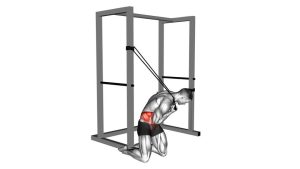
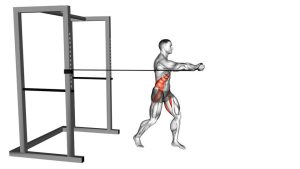
Cable Seated Twist on Floor: Form, Core Benefits, Sets & Tips
Learn the Cable Seated Twist on Floor to train obliques, core rotation, and trunk control with proper form, sets, tips, FAQs, and equipment.
Cable Seated Twist on Floor
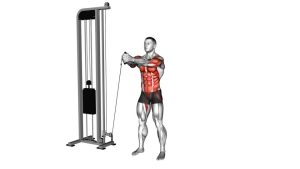
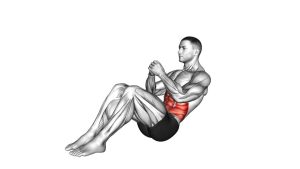
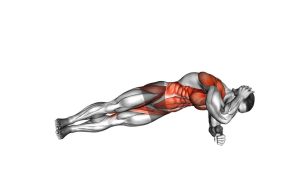
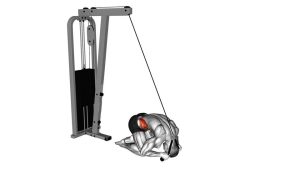
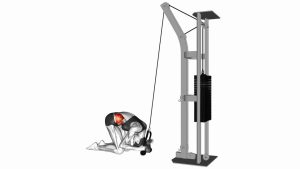
This movement is best used when you want to build stronger rotational control without relying on momentum. The cable provides constant side resistance, which makes the obliques work during both the twist and the return. A strong repetition should look smooth, balanced, and deliberate. Your arms should stay mostly extended, while your torso performs the rotation. If your shoulders, elbows, or lower back take over, reduce the load and shorten the range.
Quick Overview
| Body Part | Core |
|---|---|
| Primary Muscle | Obliques |
| Secondary Muscle | Transverse abdominis, rectus abdominis, spinal erectors, hip flexors, shoulders |
| Equipment | Cable machine, single handle or rope attachment, exercise mat |
| Difficulty | Intermediate |
Sets & Reps (By Goal)
- Core control: 2–3 sets × 10–12 reps per side with slow, clean rotation.
- Oblique strength: 3–4 sets × 8–10 reps per side using moderate cable resistance.
- Muscle endurance: 2–4 sets × 12–15 reps per side with steady breathing and no rushing.
- Warm-up activation: 1–2 sets × 8–10 reps per side using a very light load.
- Athletic rotation training: 3 sets × 6–8 controlled reps per side with a firm pause at the end range.
Progression rule: Add control before adding weight. Once every rep stays smooth and your hips remain stable, increase the cable load slightly or extend the pause at the rotated position.
Setup / Starting Position
- Set the cable low: Position the cable pulley around low-to-mid height so the handle lines up near your torso when seated.
- Sit on the floor: Place yourself a short distance from the machine with your side facing the cable stack.
- Anchor your lower body: Keep your legs slightly bent or comfortably extended. Press your sit bones evenly into the floor.
- Hold the attachment: Grip one handle or rope with both hands. Extend your arms in front of your chest without locking the elbows hard.
- Stack your posture: Keep your ribs down, chest tall, shoulders relaxed, and spine long.
- Create light tension: Move far enough from the machine that the cable is tight before the first rep starts.
- Brace gently: Tighten your core as if preparing for a light push. Avoid holding your breath before you rotate.
The best starting position feels stable but not stiff. Your hips should stay quiet, your shoulders should stay low, and your hands should begin near the midline of your chest.
Execution (Step-by-Step)
- Begin tall: Sit upright with the cable under tension and your arms extended in front of your torso.
- Start from the ribs: Rotate your torso away from the cable machine while keeping your hips steady on the floor.
- Move the hands with the chest: Let the arms travel as a guide, but do not pull mainly with the shoulders or elbows.
- Control the end range: Stop when you can no longer rotate without leaning, rounding, or shifting your hips.
- Pause briefly: Hold the rotated position for a short moment while keeping the ribs controlled and the neck relaxed.
- Return slowly: Rotate back toward the starting position while resisting the cable pull.
- Reset before repeating: Rebuild posture, breathe, and perform the next rep with the same smooth tempo.
Pro Tips & Common Mistakes
- Rotate through the torso: Think about turning your ribs, not just moving your hands across your body.
- Keep the hips quiet: If your pelvis turns with every rep, reduce the load and shorten the twist.
- Avoid leaning back: Sitting taller keeps the exercise focused on rotation instead of turning it into a lower-back strain.
- Use controlled breathing: Exhale as you rotate, then inhale as you return to the start.
- Do not overload too soon: Heavy resistance often causes shoulder pulling, hip shifting, and rushed reps.
- Maintain soft elbows: Locked elbows can create shoulder tension. Slightly bent arms help you stay connected to the cable.
- Watch your shoulders: Keep both shoulders away from the ears. Shrugging reduces core quality and adds neck tension.
- Control both directions: The return phase matters as much as the twist. Resist the cable instead of relaxing into it.
- Use equal reps per side: Train both directions evenly to support balanced rotational strength.
- Stop before compensation: End the set when your posture breaks, even if your target rep number is not finished.
FAQ
What muscles does the Cable Seated Twist on Floor work?
This exercise mainly targets the obliques. It also trains the transverse abdominis, rectus abdominis, spinal erectors, hip flexors, and shoulder stabilizers because your trunk must rotate while staying controlled against cable resistance.
Is the Cable Seated Twist on Floor good for abs?
Yes. It is especially useful for training rotational core strength. While crunches emphasize spinal flexion, this movement challenges the abs to control rotation and resist cable pull.
Should my arms stay straight during the exercise?
Your arms should stay mostly extended with a slight bend at the elbows. They guide the cable path, but the main movement should come from your torso rotation.
Why do I feel this in my shoulders instead of my core?
Shoulder dominance usually means the load is too heavy or the arms are pulling before the torso rotates. Lower the weight, keep the shoulders relaxed, and focus on turning the ribs as one unit.
Can beginners do the Cable Seated Twist on Floor?
Beginners can do it with very light resistance, but it is usually better after learning basic bracing and simple cable rotations. Start slow and use a small range of motion.
How heavy should I go?
Choose a weight that allows full control without leaning, jerking, or twisting the hips. For most people, moderate resistance works better than heavy loading.
Should I do this exercise on both sides?
Yes. Perform the same number of reps on each side. Balanced training helps improve trunk control and reduces side-to-side strength differences.
Recommended Equipment
- Cable Machine Single Handle Attachment — useful for a secure two-hand grip during seated cable twists.
- Triceps Rope Cable Attachment — gives a comfortable neutral grip and works well for rotational cable exercises.
- Thick Exercise Mat — adds comfort and stability when seated on the floor.
- Cable Machine Attachment Set — includes multiple handles for cable core work, rows, presses, and accessory training.
- Resistance Bands with Door Anchor — a home-friendly alternative for practicing seated or kneeling rotational core drills.
Choose equipment that lets you move smoothly through the full rep. A better grip, stable floor surface, and controlled resistance will improve the quality of this exercise.