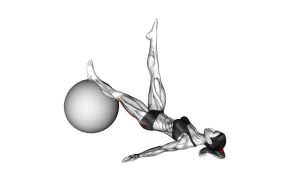
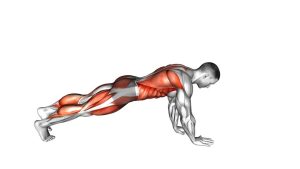
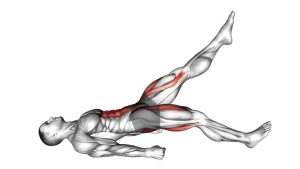
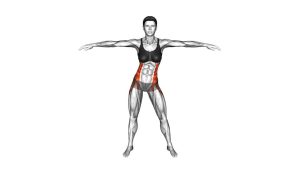
Jack Plank on Medicine Ball: Form, Core Benefits, Sets, Tips & FAQ
Learn the Jack Plank on Medicine Ball to build core stability, balance, and ab control with step-by-step form, sets, tips, FAQs, and gear.
Jack Plank on Medicine Ball
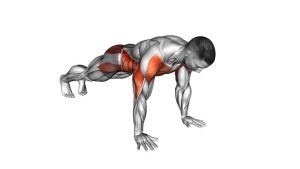
This movement is best used when you already have strong plank mechanics. First, you need the ability to hold a regular high plank without sagging. Then, you need enough hip control to move the legs apart and together without bouncing the pelvis. Finally, you need balance because the medicine ball can roll under your feet. For that reason, the goal is not speed. Instead, the goal is clean core tension, stable shoulders, and a controlled jack pattern.
Although the exercise looks like a simple plank jack, the medicine ball changes the demand completely. As your feet separate, your core must fight rotation and side-to-side shifting. As your feet return together, your abs must keep your ribs locked down while your hips stay level. In addition, your shoulders must press firmly into the floor so the upper body remains steady.
Quick Overview
| Body Part | Core |
|---|---|
| Primary Muscle | Rectus abdominis, transverse abdominis, and obliques |
| Secondary Muscle | Shoulders, chest, hip abductors, hip adductors, glutes, quads, calves, and ankle stabilizers |
| Equipment | Medicine ball and exercise mat |
| Difficulty | Advanced |
Sets & Reps (By Goal)
- Core stability: 3–4 sets × 6–10 controlled reps, resting 60–90 seconds between sets.
- Advanced ab strength: 3–5 sets × 8–12 reps, using a slow open-close tempo.
- Balance and coordination: 2–4 sets × 5–8 reps, pausing briefly after each rep to reset control.
- Conditioning finisher: 2–3 rounds × 20–30 seconds, only if form stays clean.
- Skill practice: 2–3 sets × 3–5 reps, focusing on perfect ball control and hip position.
Progression rule: Add reps only when your hips stay level, your shoulders stay stacked, and the medicine ball does not roll wildly. If the ball becomes hard to control, reduce the rep count before adding more speed.
Setup / Starting Position
- Place the medicine ball behind you: Set the ball on a non-slippery surface. If needed, use a mat under your hands for wrist comfort.
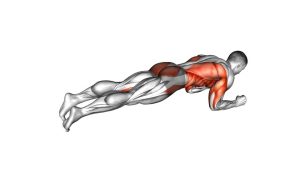
- Start in a high plank: Put your hands on the floor under your shoulders. Then extend both legs back and place your feet carefully on top of the ball.
- Set your shoulder position: Push the floor away. Keep the elbows long without locking them aggressively.
- Brace your core: Pull your ribs down, tighten your abs, and squeeze the glutes lightly. This keeps the lower back from dipping.
- Find balance first: Before moving, hold the plank for a few seconds. Let your ankles adjust, but keep the ball as still as possible.
- Keep the head neutral: Look slightly down at the floor. Avoid lifting the chin or dropping the head between the shoulders.
Setup matters more than speed. If your starting plank feels unstable, practice holding the position before adding the jack movement.
Execution (Step-by-Step)
- Begin in a strong plank: Keep your hands planted, shoulders stacked, abs braced, and feet together on the medicine ball.
- Open the legs slowly: Slide or step both feet outward on the ball, like a controlled plank jack. Meanwhile, keep your hips as level as possible.
- Control the ball: Let the medicine ball move only as much as necessary. If it rolls too much, reduce your range.
- Pause in the open position: Briefly hold the wide position while keeping the ribs down and the glutes lightly engaged.
- Bring the feet back together: Pull both legs inward with control until your feet return to the starting position on top of the ball.
- Reset your plank: After each rep, check your shoulders, hips, and breathing before starting the next repetition.
Pro Tips & Common Mistakes
Pro Tips
- Move with control: A slower rep usually builds better core stability than a fast, messy rep.
- Press the floor away: Strong shoulder pressure helps stabilize the upper body while the feet move.
- Keep your ribs down: This prevents the lower back from arching as the ball shifts.
- Use a smaller range first: Open the legs only as far as you can control the ball and keep the plank line.
- Breathe behind the brace: Exhale lightly as the feet come together, but do not relax your abs.
- Master the base version: Regular plank jacks should feel easy before you use the medicine ball.
Common Mistakes
- Letting the hips sag: This shifts stress into the lower back and reduces core tension.
- Moving too fast: Speed often causes the ball to roll out of control.
- Shrugging the shoulders: Keep the neck long and the shoulders stable instead of letting them creep toward the ears.
- Opening the legs too wide: Excessive range can break alignment and make the movement sloppy.
- Holding the breath: Breath-holding increases tension but usually reduces control over multiple reps.
- Using a slippery ball: Poor grip makes the exercise unsafe and harder to control.
FAQ
What muscles does the Jack Plank on Medicine Ball work?
It mainly works the abs, obliques, and deep core stabilizers. In addition, it trains the shoulders, chest, glutes, hips, quads, calves, and ankle stabilizers because the ball forces the whole body to stay balanced.
Is the Jack Plank on Medicine Ball good for abs?
Yes. It is especially useful for core stability because the abs must resist sagging, twisting, and side-to-side motion. However, it works best when performed slowly with strong plank alignment.
Is this exercise beginner-friendly?
No. This is better for intermediate to advanced trainees. Beginners should first master high planks, regular plank jacks, and feet-elevated planks before using a medicine ball.
How do I make the exercise easier?
Use a smaller leg opening, perform fewer reps, or switch to regular plank jacks on the floor. You can also hold a static plank with your feet on the medicine ball before adding movement.
How do I make the exercise harder?
Slow the tempo, pause in the wide position, increase total reps, or use a smaller medicine ball for more instability. Even so, only progress when your hips stay level and your lower back stays neutral.
Why does the ball keep rolling too much?
The ball usually rolls too much when the legs open too wide or the core loses tension. Start with a smaller range, brace harder, and reset the plank between reps.
Recommended Equipment
- Medicine Ball — the main tool for creating the unstable foot platform.
- Non-Slip Exercise Mat — helps protect the wrists and reduces slipping during plank work.
- Push-Up Handles — useful for trainees who need a more comfortable wrist angle.
- Core Sliders — helpful for practicing controlled plank jack patterns before progressing to the ball.
- Resistance Bands Set — useful for warm-ups, glute activation, and core accessory work.
Tip: Choose a medicine ball with a grippy surface. A ball that slides easily can make this exercise less stable and less safe.