Front Lever Reps: Form, Sets, Core Tips & Pull-Up Bar Guide
Learn Front Lever Reps for advanced core, lats, and shoulder control. Includes setup, steps, sets, mistakes, FAQs, and bar equipment tips.
Front Lever Reps
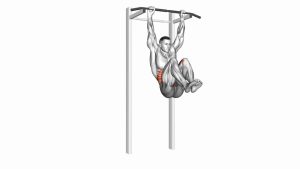
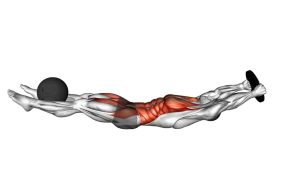
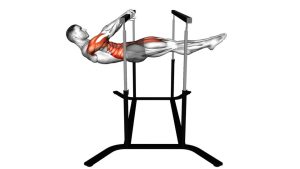
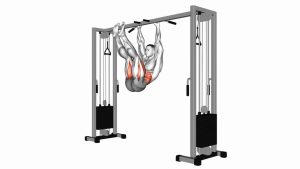
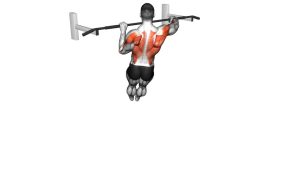
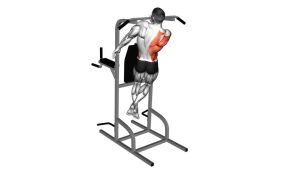
This exercise works best when every rep is performed with smooth control rather than speed. First, the body hangs from the bar. Then, the legs and hips rise as the torso rotates backward toward a horizontal position. Finally, the body lowers back to the starting hang without dropping suddenly. Therefore, quality matters more than rep count.
Quick Overview
| Body Part | Back |
|---|---|
| Primary Muscle | Latissimus dorsi |
| Secondary Muscle | Core, rectus abdominis, hip flexors, rear shoulders, scapular stabilizers, forearms, and grip muscles |
| Equipment | Pull-up bar or stable overhead bar |
| Difficulty | Advanced |
Sets & Reps (By Goal)
- Skill practice: 3–5 sets × 1–3 clean reps with full control
- Strength building: 4–6 sets × 2–5 reps, resting 90–180 seconds between sets
- Lever control: 3–5 sets × 1–3 reps with a 1–3 second pause near the top
- Technique refinement: 3–4 sets × 1–2 slow reps with extra focus on the lowering phase
Progression rule: Add reps only when you can lift, hold, and lower without swinging, bending excessively, or losing shoulder control.
Setup / Starting Position
- Grip the bar firmly: Hang from a stable overhead bar with both hands secure and your arms extended.
- Set the shoulders: Keep the shoulders active instead of relaxing completely into the hang.
- Brace the core: Tighten your abs before lifting so the body moves as one connected unit.
- Keep the legs together: Based on the video, the legs stay aligned and controlled during the rep.
- Start from stillness: Begin from a quiet hang before each repetition to avoid momentum.
Tip: If you cannot start the rep without swinging, pause longer in the hang and reset your body tension before lifting.
Execution (Step-by-Step)
- Begin in a vertical hang: Hold the bar with straight arms and keep your body controlled under the bar.
- Brace before moving: Tighten your core, squeeze your legs together, and prepare your shoulders.
- Lift the legs and hips: Raise your lower body forward while your torso begins to rotate backward.
- Drive toward the lever: Continue lifting until your body approaches a horizontal front lever position.
- Hold the line briefly: At the top, keep the body as straight and rigid as possible without relaxing the shoulders.
- Lower with control: Reverse the motion slowly and return to the hanging position without dropping.
- Reset before repeating: Let the body stabilize, then begin the next rep only when you are still again.
Pro Tips & Common Mistakes
- Keep the arms long: Avoid bending the elbows too much, because that turns the movement into a pulling exercise instead of a lever drill.
- Control the descent: Lowering slowly builds strength and protects the shoulders.
- Do not swing into position: Momentum makes the rep easier, but it reduces the training effect.
- Brace before the lift: A soft core causes the hips to sag and the lower back to arch.
- Keep the body connected: Think of your shoulders, ribs, hips, knees, and ankles moving together.
- Use fewer reps if needed: One clean rep is better than several loose, swinging reps.
- Avoid rushing the top: Even a short pause improves control and confirms that you reached the position with strength, not momentum.
FAQ
What muscles do Front Lever Reps work?
Front Lever Reps mainly target the lats while also training the core, shoulders, scapular stabilizers, hip flexors, forearms, and grip. Because the body must stay rigid, the movement becomes a full-body calisthenics strength drill.
Are Front Lever Reps beginner-friendly?
No. This is an advanced exercise. Beginners should usually build strength with hanging knee raises, tuck front lever holds, inverted rows, hollow body holds, and scapular pull-up variations before attempting full lever reps.
Should I use momentum during Front Lever Reps?
No. The goal is controlled strength. If you have to swing hard to reach the top, use an easier progression and build more pulling, core, and shoulder control first.
Why does my lower back arch during the movement?
Lower-back arching usually means the core is losing tension or the lever variation is too difficult. Reduce the range, bend the knees into a tuck progression, or practice slow negatives until your body line improves.
How many Front Lever Reps should I do?
Start with 1–3 clean reps per set. Since the movement is demanding, stop before your form breaks. As your strength improves, add reps gradually while keeping the lift and descent controlled.
Recommended Equipment (Optional)
- Wall-Mounted Pull-Up Bar — provides a stable overhead bar for strict front lever practice
- Gymnastics Rings — useful for advanced calisthenics pulling, rows, and lever progressions
- Calisthenics Resistance Bands — can assist front lever progressions and help reduce bodyweight load
- Gym Chalk — improves grip security during hanging strength exercises
- Ab Wheel Roller — strengthens anti-extension core control that supports lever positioning
Tip: Choose a bar or ring setup that feels stable before practicing advanced lever work. If the equipment moves unexpectedly, your form and shoulder safety can suffer.