Hanging Straight Leg Hip Raise: Form, Core Benefits, Sets & Tips
Learn the Hanging Straight Leg Hip Raise for stronger abs, hip flexors, and core control. Includes setup, steps, mistakes, FAQs, and gear.
Hanging Straight Leg Hip Raise
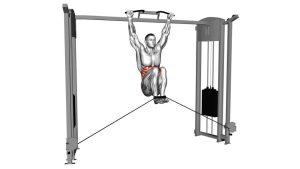
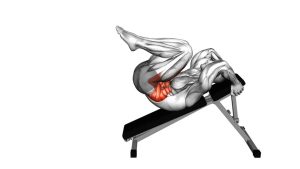
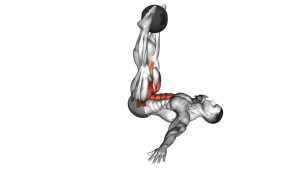
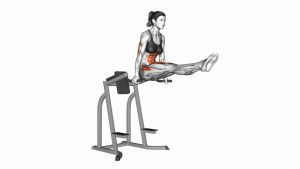
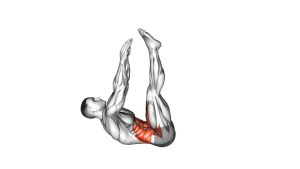
This exercise works best when every repetition is strict. First, the body begins in a tall hanging position. Then, the legs rise together while staying straight and aligned. As the legs lift, the abs and hip flexors work together to create hip flexion and pelvic control. Finally, the legs return slowly to the starting position without dropping or creating unnecessary momentum.
Because the movement is performed while hanging, it also challenges grip strength, shoulder stability, and total-body tension. However, the focus should remain on clean leg movement and core control. If swinging becomes visible, reduce the range of motion, slow the tempo, or use an easier variation first.
Quick Overview
| Body Part | Abs |
|---|---|
| Primary Muscle | Rectus abdominis, especially lower abdominal region |
| Secondary Muscle | Hip flexors, obliques, deep core stabilizers, forearms, lats, and shoulder stabilizers |
| Equipment | Pull-up bar or stable hanging bar |
| Difficulty | Advanced |
Sets & Reps (By Goal)
- Core strength: 3–4 sets × 6–10 controlled reps, resting 75–120 seconds between sets.
- Strict form practice: 2–4 sets × 4–8 slow reps, using a 2-second lift and 3-second lower.
- Muscle endurance: 2–3 sets × 10–15 reps, only if you can avoid swinging.
- Advanced core control: 3–5 sets × 5–8 reps with a brief top pause on each rep.
- Workout finisher: 2–3 sets close to technical fatigue, stopping before form breaks.
Progression rule: Add reps only when the legs stay straight, the descent stays controlled, and the body does not swing. After that, increase range, tempo control, or top-position pause time.
Setup / Starting Position
- Choose a secure bar: Use a pull-up bar or hanging station that allows your legs to move freely.
- Grip the bar firmly: Hold the bar with both hands, usually slightly wider than shoulder-width.
- Hang tall: Let the arms extend fully while keeping the shoulders active and controlled.
- Set your body line: Keep the legs straight, feet together, and torso vertical before starting.
- Brace the core: Lightly tighten the abs before lifting so the legs do not swing forward loosely.
- Control the pelvis: Keep the lower back from arching excessively as the legs begin to rise.
Start each rep from stillness. If the body is already swinging before the lift, pause and reset before continuing.
Execution (Step-by-Step)
- Begin in a stable hang: Keep your grip secure, arms long, shoulders controlled, and legs straight.
- Brace before moving: Tighten your abs slightly and keep your feet together.
- Lift the legs forward: Raise both straight legs together by flexing at the hips.
- Keep the knees straight: Maintain a long-leg position instead of turning the movement into a bent-knee raise.
- Reach your clean top range: Lift to about hip height or slightly above if you can stay controlled.
- Pause briefly: Hold the top position for a moment without bouncing or swinging.
- Lower slowly: Bring the legs back down under control until your body returns to the hanging position.
- Reset before the next rep: Remove extra swing, breathe, and repeat with the same strict pattern.
Pro Tips & Common Mistakes
Pro Tips
- Think “lift, not swing”: Start from a quiet hang and move with control.
- Use a slow descent: The lowering phase builds strength and reduces momentum.
- Keep the legs connected: Squeeze the feet and thighs together to improve alignment.
- Stay active through the shoulders: Do not hang passively if it causes discomfort or instability.
- Exhale as the legs rise: This helps the ribs stay down and the abs stay engaged.
- Stop before form breaks: Quality matters more than hitting a high rep number.
Common Mistakes
- Swinging the body: Momentum reduces core demand and makes the movement less precise.
- Bending the knees too much: This changes the exercise into an easier hanging knee raise variation.
- Dropping the legs: A fast descent can stress the lower back and increase swinging.
- Arching the lower back: Poor pelvic control makes the abs less effective.
- Rushing reps: Fast reps often hide weak control and poor bracing.
- Using a weak grip: If grip fails early, the core cannot be trained properly.
FAQ
What muscles does the Hanging Straight Leg Hip Raise work?
It mainly works the rectus abdominis and hip flexors. Additionally, the obliques, deep core muscles, forearms, lats, and shoulder stabilizers help maintain control while hanging.
Is the Hanging Straight Leg Hip Raise good for lower abs?
Yes. It strongly challenges the lower portion of the abdominal wall because the pelvis and legs must be controlled against gravity. However, the abs work best when you avoid swinging and lower the legs slowly.
Why do I feel this exercise in my hip flexors?
Hip flexor involvement is normal because the legs are lifted through hip flexion. Nevertheless, your abs should also work hard to control the pelvis and prevent excessive lower-back arching.
How can I make the exercise easier?
Use a hanging knee raise, a captain’s chair knee raise, or a partial-range straight-leg raise. Then, gradually increase range and leg straightness as your control improves.
How can I stop swinging during hanging leg raises?
Begin from a still hang, brace before lifting, move slower, and lower under control. Also, pause briefly between reps instead of using the previous rep’s momentum.
Should beginners do this exercise?
Most beginners should first master hanging knee raises, lying leg raises, and basic hanging strength. After that, the straight-leg hip raise becomes safer and more effective.
Recommended Equipment
- Pull-Up Bar — essential for performing hanging straight leg hip raises at home.
- Hanging Ab Straps — useful if grip fatigue limits your core training before your abs are challenged.
- Fitness Grip Chalk — helps improve grip security during strict hanging core work.
- Pull-Up Wrist Straps — optional support for advanced sets when grip becomes the limiting factor.
- Heavy-Duty Doorway Pull-Up Bar — a space-saving option for home core and upper-body training.
Choose equipment that is stable, properly installed, and rated for your body weight. Moreover, test the bar before performing dynamic or hanging exercises.