V-Up Exercise: Proper Form, Core Benefits, Sets, Tips & FAQ
Learn the V-Up exercise for stronger abs, better core control, and hip flexor strength. Step-by-step form, sets, mistakes, FAQs, and gear.
V-Up
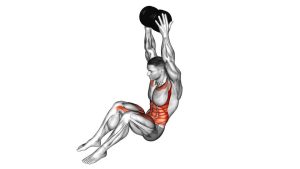
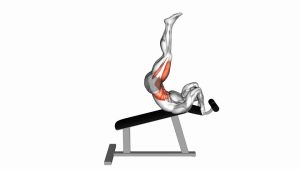
This exercise works best when every repetition is smooth, synchronized, and controlled. Instead of swinging the arms or kicking the legs upward, lift both ends of the body at the same time. As a result, the abs stay under tension, the hips move with purpose, and the lower back is less likely to take over.
Quick Overview
| Body Part | Core |
|---|---|
| Primary Muscle | Rectus abdominis |
| Secondary Muscle | Hip flexors, transverse abdominis, obliques |
| Equipment | None; exercise mat optional |
| Difficulty | Intermediate to advanced |
Sets & Reps (By Goal)
- Core control: 2–3 sets × 6–10 reps with a slow, clean tempo
- Ab strength: 3–4 sets × 8–12 reps with full-body tension
- Core endurance: 2–3 sets × 12–15 reps, only if form stays strict
- Beginner progression: 2–3 sets × 6–10 bent-knee V-Ups or tuck-ups
Progression rule: Add reps only after you can lift and lower without swinging, bending the knees, or losing lower-back control.
Setup / Starting Position
- Lie on your back: Extend your body long on the floor with your legs straight and your arms reaching overhead.
- Set your core: Brace lightly so your ribs do not flare upward before the movement starts.
- Keep your limbs long: Maintain straight arms and mostly straight legs, matching the clean position shown in the video.
- Relax your neck: Keep your head aligned with your torso instead of pulling the chin aggressively toward the chest.
- Prepare to lift together: Think about bringing your hands and feet toward each other at the same time.
Tip: A soft mat can make the floor position more comfortable, especially when practicing multiple sets.
Execution (Step-by-Step)
- Start fully extended: Keep your arms overhead and your legs long, creating a straight body line.
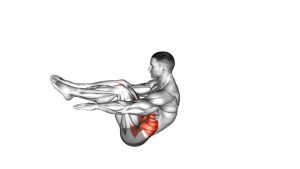
- Lift both ends together: Raise your shoulders, arms, and legs at the same time while your abs contract.
- Reach toward the feet: Continue lifting until your torso and legs create a clear V shape.
- Control the top: Pause briefly near the peak without bouncing or collapsing through the spine.
- Lower slowly: Return your arms and legs toward the floor with control until your body is extended again.
- Repeat cleanly: Begin the next rep only after you regain control in the starting position.
Pro Tips & Common Mistakes
- Move with control: Use your abs to lift instead of relying on momentum.
- Avoid kicking upward: Fast leg swings reduce core tension and make the movement less effective.
- Keep the arms long: Reaching forward helps the torso rise smoothly toward the legs.
- Do not collapse on the way down: The lowering phase is just as important as the lift.
- Watch the lower back: If your back arches hard near the floor, shorten the range or bend the knees.
- Keep reps consistent: Each repetition should start extended, rise to a V shape, and return under control.
FAQ
What muscles does the V-Up work?
The V-Up mainly works the rectus abdominis. In addition, the hip flexors help lift the legs, while the deeper core muscles assist with control and stability.
Is the V-Up beginner-friendly?
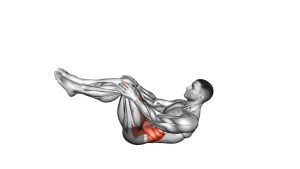
The strict V-Up is usually better for intermediate or advanced trainees. However, beginners can build toward it with tuck-ups, bent-knee V-Ups, dead bugs, or lying leg raises.
Why does my lower back hurt during V-Ups?
Lower-back discomfort often happens when the core loses control near the floor. Therefore, reduce your range, slow the descent, or use a bent-knee version until your abs can control the full motion.
Should my knees stay straight?
In the strict version, the legs stay mostly straight, as shown in the video. Still, a slight knee bend is acceptable if it helps you maintain control without back strain.
How many V-Ups should I do?
Start with 2–3 sets of 6–10 clean reps. After that, increase reps gradually only if your timing, control, and lower-back position stay consistent.
Recommended Equipment
- Exercise Mat — adds cushioning for floor-based core training
- Thick Yoga Mat — useful if your lower back or hips need extra comfort
- Adjustable Ankle Weights — optional progression for advanced core strength
- Medicine Ball — optional load for advanced V-Up variations
- Core Sliders — helpful for related ab progressions and core control drills
Tip: Master the bodyweight V-Up first. Then, add resistance only when your reps stay smooth from the first lift to the final lowering phase.