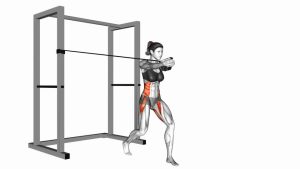
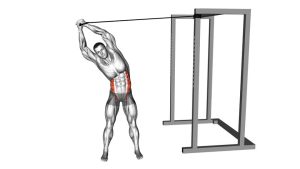
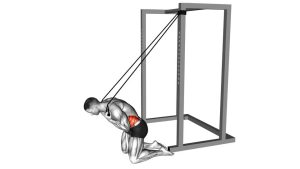
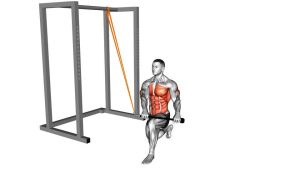
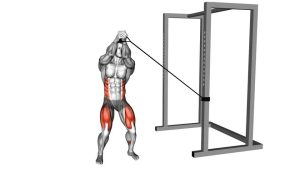
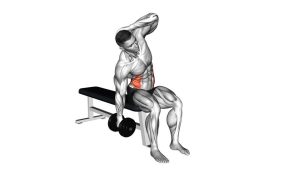
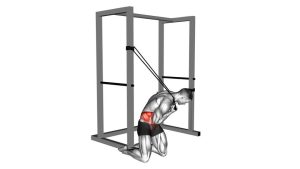
Band Twist Up-Down: Oblique Core Exercise for Waist Rotation
Learn the Band Twist Up-Down exercise for stronger obliques, better waist rotation, and controlled core strength using a resistance band.
Band Twist (Up-Down)
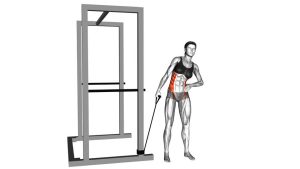
This exercise works best when the band stays under steady tension and the torso leads the motion. Although the arms hold the band, the goal is not to pull with the shoulders. Instead, keep the ribs controlled, brace the core, and rotate through the waist while keeping the hips stable. Therefore, every rep should feel smooth, balanced, and deliberate.
Quick Overview
| Body Part | Core |
|---|---|
| Primary Muscle | Obliques |
| Secondary Muscle | Rectus abdominis, transverse abdominis, lower back stabilizers, shoulders |
| Equipment | Resistance band |
| Difficulty | Beginner to Intermediate |
Sets & Reps (By Goal)
- Core activation: 2–3 sets × 10–12 reps per side with light band tension.
- Oblique strength: 3–4 sets × 8–12 reps per side with moderate resistance.
- Muscle endurance: 2–4 sets × 12–20 reps per side using a smooth, steady tempo.
- Warm-up rotation: 1–2 sets × 8–10 reps per side with easy tension and full control.
Progression rule: First improve control and range. Then, increase band tension only when your hips stay stable and your torso does not jerk through the twist.
Setup / Starting Position
- Anchor the band low: Secure the resistance band under the feet or from a low anchor point.
- Stand tall: Place your feet about shoulder-width apart and keep your knees softly bent.
- Grip the band: Hold the band with both hands in front of your body.
- Brace your core: Keep your ribs down, shoulders relaxed, and spine long.
- Set your hips: Keep the pelvis mostly stable so the twist comes mainly from the waist and torso.
Tip: If the band pulls you off balance, use lighter resistance or widen your stance before adding more tension.
Execution (Step-by-Step)
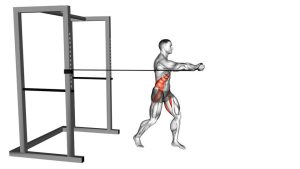
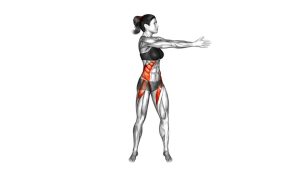
- Begin in the center: Start with your hands in front of your torso and the band lightly stretched.
- Rotate across the body: Turn your shoulders and torso toward one side while keeping the hips controlled.
- Move diagonally downward: Guide your hands down and across toward the outside of one hip.
- Pause briefly: Hold the end position for a moment while keeping the core tight.
- Return with control: Bring the hands and torso back to the center without letting the band snap back.
- Repeat to the other side: Rotate across the body in the opposite direction using the same smooth diagonal path.
Pro Tips & Common Mistakes
- Rotate through the torso: Let the waist and ribs turn together instead of pulling only with the arms.
- Control the band return: Do not allow the band to pull you quickly back to the start.
- Keep the hips steady: A small amount of natural movement is fine, but avoid turning the whole body excessively.
- Avoid shrugging: Keep the shoulders down so the upper traps do not take over.
- Use moderate range: Rotate only as far as you can control without twisting hard through the lower back.
- Breathe during the twist: Exhale as you rotate and inhale as you return to center.
- Do not rush reps: A slower tempo creates better core tension and safer movement quality.
FAQ
What muscles does the Band Twist Up-Down work?
The exercise mainly targets the obliques. In addition, it trains the rectus abdominis, transverse abdominis, and lower back stabilizers because the core must control rotation against band tension.
Is the Band Twist Up-Down good for the waist?
Yes. It is useful for training waist rotation, oblique strength, and core coordination. However, it should be paired with full-body strength training and nutrition habits if your goal is fat loss or visible waist definition.
Should I use a heavy resistance band?
Not at first. Start with light to moderate resistance so you can rotate smoothly without leaning, jerking, or losing balance. After that, increase tension gradually.
Can beginners do this exercise?
Yes, beginners can perform it with a light band and a smaller range of motion. Because the movement includes rotation, beginners should focus on posture, slow tempo, and controlled breathing before increasing resistance.
Why do I feel this in my shoulders instead of my obliques?
This usually happens when the arms pull too much. Keep the arms connected to the torso, relax the shoulders, and think about turning the ribs across the body rather than dragging the band with your hands.
Recommended Equipment
- Resistance Bands with Handles — ideal for controlled standing band twists and rotational core drills.
- Loop Resistance Bands Set — useful for lower-body anchoring, warm-ups, and full-body resistance training.
- Resistance Band Door Anchor — helps create a secure low or side anchor point for band rotation exercises.
- Exercise Mat — provides stable footing and comfort during home core workouts.
- Foam Roller — useful for thoracic mobility work before rotational core exercises.
Tip: Choose a band that lets you keep steady tension without twisting aggressively. Better control creates better oblique engagement.