Hanging Knees to Elbows: Core Form, Benefits, Sets & Tips
Learn Hanging Knees to Elbows for stronger abs, hip flexors, and core control. Includes form steps, sets, common mistakes, FAQs, and gear.
Hanging Knees to Elbows
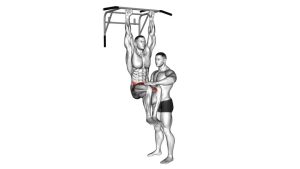
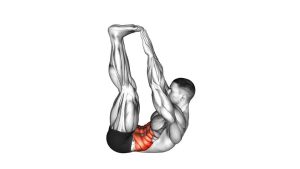
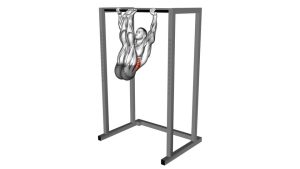
This exercise is best performed with a controlled tempo instead of swinging momentum. First, the body begins in a full hang. Then, the knees travel upward as the hips flex and the pelvis curls slightly. Finally, the legs return downward under control. Because the movement requires grip strength, shoulder stability, and abdominal control, beginners should master basic hanging knee raises before progressing.
Quick Overview
| Body Part | Core |
|---|---|
| Primary Muscle | Rectus abdominis |
| Secondary Muscle | Hip flexors, obliques, grip muscles, shoulder stabilizers |
| Equipment | Pull-up bar or captain’s chair station |
| Difficulty | Intermediate to advanced |
Sets & Reps (By Goal)
- Core strength: 3–4 sets × 6–10 controlled reps, resting 60–90 seconds.
- Muscle endurance: 2–4 sets × 10–15 reps, using a smooth tempo and strict form.
- Beginner progression: 2–3 sets × 5–8 partial-range reps or regular hanging knee raises.
- Advanced control: 3–5 sets × 6–8 slow reps with a short pause near the top.
Progression rule: Increase range of motion first. After that, add reps or slow the lowering phase before adding external load.
Setup / Starting Position
- Grip the bar: Hold a pull-up bar with both hands using a secure overhand grip.
- Hang tall: Let the arms extend while keeping the shoulders active and controlled.
- Set the legs: Start with the legs hanging below the body, together and controlled.
- Brace the core: Lightly tighten the abs before the knees move upward.
- Reduce swinging: Begin from stillness so the movement comes from the core, not momentum.
Execution (Step-by-Step)
- Start from a steady hang: Keep the grip firm and the upper body stable.
- Bend the knees: Begin lifting the knees in front of the body.
- Curl the hips upward: As the knees rise, bring the pelvis slightly upward to increase abdominal contraction.
- Reach toward elbow level: Continue lifting until the knees come close to the elbows or as high as control allows.
- Pause briefly: Hold the top position for a moment without swinging backward.
- Lower slowly: Return the legs to the starting hang with control.
- Reset before the next rep: Let the body become steady again before repeating.
Pro Tips & Common Mistakes
- Do not swing: Momentum makes the exercise easier but reduces abdominal tension.
- Lift with the hips: Bring the pelvis upward instead of only bending the knees.
- Control the lowering phase: The descent should be smooth, not dropped.
- Keep the grip secure: Stop before your hands fail completely.
- Avoid rushing reps: Slower repetitions help you feel the abs and reduce swinging.
- Use a smaller range if needed: If knees cannot reach elbow height cleanly, raise them only as high as you can control.
- Keep shoulders active: Avoid hanging loosely if it causes shoulder discomfort.
FAQ
What muscles do Hanging Knees to Elbows work?
Hanging Knees to Elbows mainly work the rectus abdominis and hip flexors. Additionally, the obliques, grip muscles, and shoulder stabilizers help control the hanging position.
Are Hanging Knees to Elbows good for lower abs?
Yes. Although the abs work as one muscle group, the upward hip curl creates strong tension through the lower portion of the abdominal wall. Therefore, this exercise is useful for building lower-ab control and hanging core strength.
Why do I swing during Hanging Knees to Elbows?
Swinging usually happens when the legs move too fast or the body is not reset between reps. To fix it, slow down, pause at the bottom, and use a smaller range until you can stay controlled.
Can beginners do this exercise?
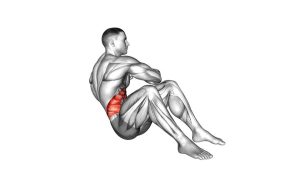
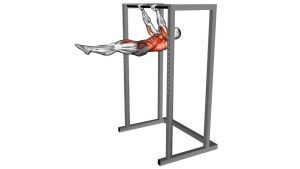
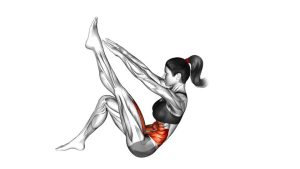
Beginners can work toward it, but the full version may be too difficult at first. Start with hanging knee raises, captain’s chair knee raises, or bent-knee raises with a shorter range.
How high should I lift my knees?
Lift the knees as high as you can while maintaining control. Ideally, the knees move near the elbows. However, clean form is more important than forcing the full range.
Recommended Equipment
- Pull-Up Bar — essential for performing Hanging Knees to Elbows at home.
- Ab Straps — helpful if grip fatigue limits core training volume.
- Pull-Up Grips — support hand comfort during hanging core exercises.
- Liquid Chalk — improves grip security when hands get sweaty.
- Exercise Mat — useful for warm-up core drills and floor-based progressions.
Tip: Choose equipment that improves control and safety. However, do not use straps or grip aids to force reps after your core form breaks down.