V-Up with Clap: Abs Exercise Guide, Form, Sets, Tips & FAQ
Learn the V-Up with Clap for stronger abs and core control. Includes setup, step-by-step form, sets, mistakes, FAQs, and equipment.
V-Up with Clap
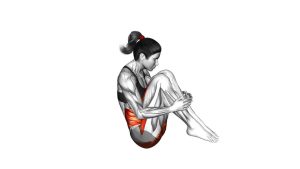
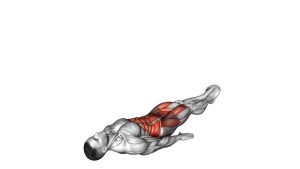
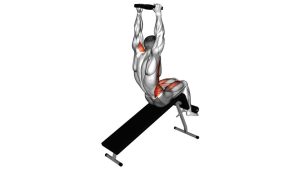
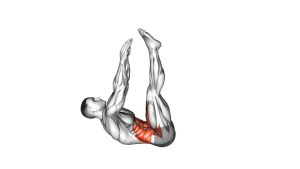
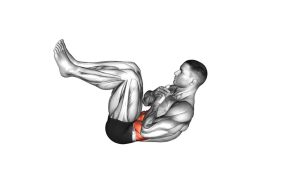
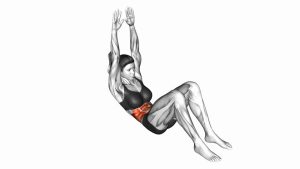
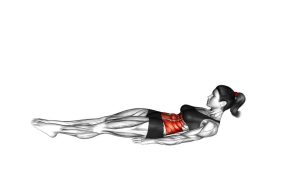
This exercise works best when every rep stays controlled. The visible movement starts from a supine position with the legs elevated, then the torso rises toward the legs while the hands travel forward. At the top, the hands clap in front of the shins before the body lowers back with control. Therefore, the exercise should feel like a strong abdominal contraction, not a loose swing.
Quick Overview
| Body Part | Core |
|---|---|
| Primary Muscle | Rectus abdominis |
| Secondary Muscle | Hip flexors, obliques, deep core stabilizers |
| Equipment | None |
| Difficulty | Intermediate |
Sets & Reps (By Goal)
- Core control: 2–3 sets × 6–10 reps with slow, clean movement.
- Abs strength: 3–4 sets × 8–12 reps with a brief pause at the clap.
- Muscular endurance: 2–4 sets × 12–15 reps, only if form stays controlled.
- Beginner progression: 2–3 sets × 5–8 reps with a smaller range of motion.
Progression rule: Add reps first. Then, increase control at the top position. Finally, slow the lowering phase before trying harder variations.
Setup / Starting Position
- Lie on your back: Start on a flat surface with your body long and your core braced.
- Raise the legs: Keep both legs together and extended upward at an angle.
- Lift slightly: Keep the head and shoulders lightly raised if you can control the position.
- Reach the arms forward: Position the arms near the thighs so they can travel toward the shins.
- Brace before moving: Keep the ribs controlled and avoid arching the lower back excessively.
Execution (Step-by-Step)
- Begin from the supine position: Keep the legs straight, together, and elevated.
- Curl the torso upward: Lift your upper body toward your legs while keeping the movement smooth.
- Reach toward the shins: Let the arms travel forward as your torso rises.
- Clap at the top: Bring the hands together near the shins when your body forms the tightest V shape.
- Lower with control: Separate the hands and return the torso downward without dropping suddenly.
- Repeat carefully: Keep the legs elevated and avoid using momentum to start the next rep.
Pro Tips & Common Mistakes
- Keep the legs long: The visible version uses straight, elevated legs throughout the movement.
- Control the descent: Lower slowly instead of falling back to the floor.
- Avoid neck pulling: Keep the neck neutral and let the abs lift the torso.
- Do not rush the clap: Clap only when you reach the top position with balance.
- Prevent lower-back arching: Brace your core before each rep and reduce range if needed.
- Skip momentum reps: A clean V-up is more useful than a fast, swinging repetition.
FAQ
What muscles does the V-Up with Clap work?
The exercise mainly targets the rectus abdominis. In addition, the hip flexors and deep core stabilizers assist because the legs stay elevated while the torso lifts.
Is the V-Up with Clap beginner-friendly?
It is better for intermediate users because it requires core strength, hip flexor control, and balance. However, beginners can shorten the range or perform fewer reps.
Should my legs stay straight?
In the visible version, the legs stay straight and elevated throughout the rep. If that feels too hard, use a smaller range before progressing back to the full version.
Where should I clap?
Clap near the top of the movement, around the shin area, when your torso and legs form the tightest V shape.
Why does my lower back hurt during V-ups?
Lower-back discomfort often happens when the core loses tension or the legs drop too low. Therefore, reduce the range, slow down, and stop if pain continues.
Recommended Equipment (Optional)
- Exercise Mat for Abs — adds comfort for the lower back during floor-based core work.
- Thick Yoga Mat — useful if you need more cushioning during repeated V-up reps.
- Ab Mat — can support controlled abdominal training and floor comfort.
- Ankle Weights — optional advanced progression only after bodyweight form is strong.
- Resistance Bands Set — helpful for pairing this exercise with anti-extension and core stability drills.
Tip: Master the bodyweight version first. Then, add equipment only if your reps stay smooth, your lower back stays comfortable, and your clap remains controlled.