Weighted Crunch: Proper Form, Sets, Benefits, Tips & FAQ
Learn how to do the Weighted Crunch with safe form, controlled tempo, core-focused cues, sets by goal, common mistakes, FAQs, and gear tips.
Weighted Crunch
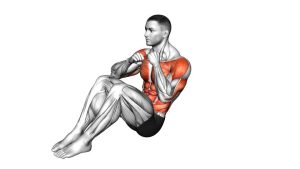
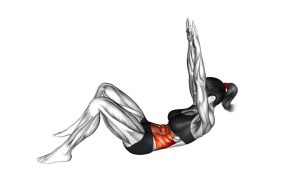
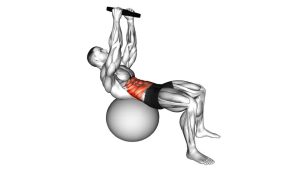
This exercise works best when the weight stays stable and the movement comes from the abs. Instead of swinging the arms or pulling the neck forward, focus on curling the ribs toward the pelvis. As a result, the rectus abdominis receives more direct tension while the hips stay quiet. Additionally, the slow lowering phase helps build control and keeps the exercise strict.
Quick Overview
| Body Part | Core |
|---|---|
| Primary Muscle | Rectus abdominis |
| Secondary Muscle | Obliques, deep core stabilizers, hip flexors with minimal involvement |
| Equipment | Dumbbell, weight plate, or any stable handheld weight |
| Difficulty | Beginner to intermediate, depending on the load used |
Sets & Reps (By Goal)
- Core strength: 3–4 sets × 8–12 reps with a controlled 2–3 second lowering phase.
- Muscle building: 3–5 sets × 10–15 reps using moderate weight and strict form.
- Beginner practice: 2–3 sets × 8–10 reps with a very light weight or no weight.
- Core endurance: 2–4 sets × 15–20 reps with light resistance and smooth breathing.
Progression rule: First improve control and range quality. After that, increase reps. Finally, add more weight only when every rep stays strict.
Setup / Starting Position
- Lie on your back: Start flat on the floor with your knees bent and feet planted.
- Hold the weight close: Keep a dumbbell or plate against your chest so it does not swing.
- Set your spine: Keep the lower back controlled and avoid excessive arching.
- Relax your neck: Keep the chin slightly tucked without forcing the head forward.
- Brace lightly: Tighten your abs before the first rep so the movement starts from the core.
Tip: If the weight pulls your shoulders or neck out of position, choose a lighter load and rebuild control.
Execution (Step-by-Step)
- Start from the floor: Keep your feet planted, knees bent, and weight steady at the chest.
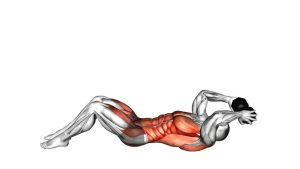
- Exhale and curl up: Lift your head, shoulders, and upper back by contracting the abs.
- Keep the range short: Crunch upward until your shoulder blades leave the floor, but do not turn it into a full sit-up.
- Squeeze briefly: Pause at the top while keeping the weight close and the hips still.
- Lower with control: Slowly return your upper back to the floor without dropping or relaxing completely.
- Reset and repeat: Breathe, brace, and begin the next rep with the same controlled tempo.
Pro Tips & Common Mistakes
- Use a compact crunch: Lift the shoulder blades rather than sitting all the way up.
- Keep the weight stable: Do not swing the weight forward to help the torso rise.
- Control the lowering phase: The eccentric portion should be slow enough to maintain tension.
- Avoid neck pulling: Keep the chin gently tucked and let the abs lead the movement.
- Do not overload too soon: Heavy weight can quickly turn the exercise into a sloppy sit-up.
- Keep feet planted: Stable feet help you maintain position, but they should not drive the movement.
- Exhale as you crunch: Breathing out helps the ribs move down and improves abdominal contraction.
FAQ
What muscles does the Weighted Crunch work?
The Weighted Crunch mainly targets the rectus abdominis, which is the front abdominal muscle. Additionally, the obliques and deeper core muscles help stabilize the torso during each rep.
Is the Weighted Crunch better than a regular crunch?
It can be better for strength progression because the added load increases resistance. However, a regular crunch is better when you are still learning clean control and proper spinal flexion.
Should I hold the weight on my chest or behind my head?
Holding the weight on your chest is usually safer and easier to control. In the video, the weight stays close to the chest, which helps reduce swinging and neck strain.
Why do I feel my neck during weighted crunches?
Neck tension often happens when you lead with the head instead of the ribs. To fix this, reduce the weight, tuck the chin lightly, and curl up from the abs.
How heavy should I go on Weighted Crunches?
Start with a light dumbbell or plate that allows slow, clean reps. Once you can complete all reps without swinging, increase the load gradually.
Recommended Equipment
- Adjustable Dumbbell — useful for gradually increasing resistance on weighted crunches.
- Weight Plate — easy to hold against the chest for stable loaded crunches.
- Thick Exercise Mat — adds comfort and support during floor-based core training.
- Rubber Hex Dumbbell — a simple fixed-weight option for controlled ab exercises.
- Ab Workout Mat — helps cushion the spine and keeps your setup consistent.
Tip: Choose equipment that lets you control the movement. For this exercise, stability matters more than maximum load.