Dumbbell Front Plank Arm Leg Raise: Form, Core Benefits & Tips
Learn the Dumbbell Front Plank Arm Leg Raise to build core stability, shoulder control, glute strength, balance, and anti-rotation control.
Dumbbell Front Plank Arm Leg Raise
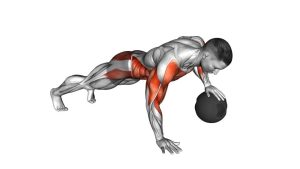
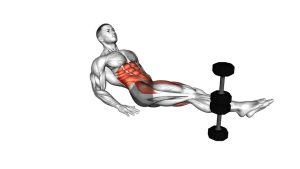
This exercise works best when every repetition looks controlled and stable. Because one hand and the opposite foot leave the floor at the same time, the body must resist twisting, sagging, and shifting. As a result, the abs, obliques, shoulders, glutes, and spinal stabilizers work together to keep the torso aligned. Although the dumbbells act as handles, they also increase the stability demand, so the movement should be performed with patience and strong body awareness.
Quick Overview
| Body Part | Core |
|---|---|
| Primary Muscle | Abdominals and obliques |
| Secondary Muscle | Shoulders, glutes, lower back stabilizers, upper back, chest, and triceps |
| Equipment | Two dumbbells |
| Difficulty | Intermediate to advanced |
Sets & Reps (By Goal)
- Core stability: 3–4 sets × 6–10 reps per side with slow, controlled movement.
- Balance and coordination: 2–3 sets × 5–8 reps per side with a brief pause at the top.
- Strength endurance: 3 sets × 8–12 alternating reps per side while maintaining clean form.
- Workout finisher: 2–3 rounds × 30–45 seconds, only if alignment remains stable.
Progression rule: First improve control and hold quality. Then add reps, increase time under tension, or use slightly heavier dumbbells only when your hips stay level throughout the set.
Setup / Starting Position
- Place two dumbbells on the floor: Set them shoulder-width apart so they can be used as firm handles.
- Grip the dumbbells: Place one hand on each handle and keep your wrists stacked under your shoulders.
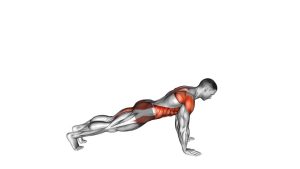
- Step into a high plank: Extend both legs back and keep your feet slightly apart for better balance.
- Create a straight body line: Keep your head, ribs, hips, knees, and heels aligned.
- Brace before moving: Tighten your abs, squeeze your glutes lightly, and press firmly through the supporting dumbbell.
Tip: A slightly wider foot stance makes the exercise easier to control. As your stability improves, you can narrow your stance gradually.
Execution (Step-by-Step)
- Start in a strong plank: Keep both dumbbells grounded and avoid letting your chest sink between your shoulders.
- Shift weight slightly: Move just enough weight into the supporting hand and opposite foot to stay balanced.
- Lift one arm forward: Raise one dumbbell arm in front of your body while keeping the shoulder controlled.
- Lift the opposite leg: At the same time, extend the opposite leg backward until it reaches about hip height.
- Pause briefly: Hold the top position for a moment while keeping your hips as square as possible.
- Lower with control: Return the lifted arm and leg to the floor without dropping or twisting.
- Repeat on the other side: Alternate sides while maintaining the same steady plank position.
Pro Tips & Common Mistakes
- Keep the hips level: The exercise is most effective when your torso resists rotation during each lift.
- Do not rush the raise: A slower lift creates better core engagement and better shoulder control.
- Avoid lifting too high: Raise the arm and leg only as high as you can without arching your back.
- Press through the support side: Strong pressure into the grounded dumbbell helps stabilize the shoulder.
- Keep your neck neutral: Look slightly ahead of your hands instead of dropping or lifting your head.
- Use stable dumbbells: Round dumbbells can roll, so hex dumbbells are often safer for this variation.
- Do not let the ribs flare: Keep the ribs pulled down so the abs stay active and the lower back stays protected.
FAQ
What muscles does the Dumbbell Front Plank Arm Leg Raise work?
It mainly trains the abs and obliques. However, it also works the shoulders, glutes, lower back stabilizers, upper back, chest, and triceps because the body must stay stable while opposite limbs lift.
Is this exercise good for core stability?
Yes. This is a strong core stability exercise because your trunk must resist rotation, extension, and side-to-side shifting. Therefore, it is especially useful for building anti-rotation control.
Should beginners do this exercise?
Beginners should first master a regular high plank, plank shoulder taps, and bird dogs. After that, they can try this variation with a wider foot stance and a smaller arm-and-leg lift.
Why use dumbbells instead of placing hands flat on the floor?
Dumbbells create a neutral hand position and add a stability challenge. However, they must stay steady. If the dumbbells roll or feel unsafe, use flat hands on the floor first.
How do I stop my hips from rotating?
Widen your feet, brace your abs before lifting, squeeze the glute of the raised leg, and move more slowly. In addition, lift the arm and leg only as high as your body can control.
Recommended Equipment
- Hex Dumbbells — flat-sided dumbbells are more stable for plank-based movements
- Non-Slip Exercise Mat — helps keep the feet and dumbbells from sliding during the plank
- Dumbbell Set — useful for progressing upper-body and core exercises over time
- Push-Up Handles — a safer alternative if dumbbells feel unstable under the hands
- Core Sliders — useful for other advanced plank and anti-rotation core drills
Tip: Choose equipment that improves stability, not equipment that makes the movement unsafe. For this exercise, control and alignment matter more than heavy loading.