Dumbbell Sit-Up: Core Form, Sets, Benefits, Tips & FAQ
Learn the Dumbbell Sit-Up for stronger abs and better core control. Step-by-step form, sets by goal, common mistakes, FAQs, and gear tips.
Dumbbell Sit-Up
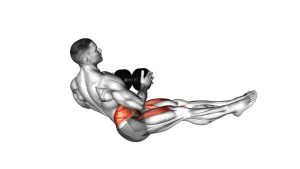
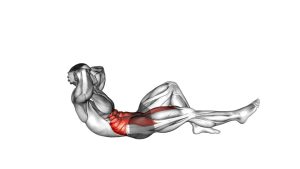
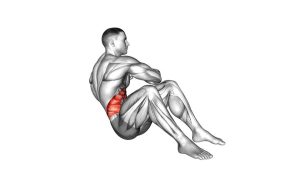
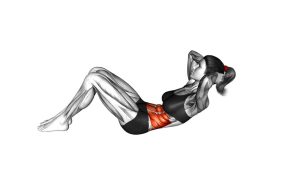
This exercise works best when the dumbbell stays controlled and close to the torso instead of swinging forward. First, the head and shoulders lift from the floor. Then, the upper back and lower back follow as the body rises into a seated position. Finally, the torso lowers back down with control so the abs work during both the lifting and lowering phases.
Quick Overview
| Body Part | Abs |
|---|---|
| Primary Muscle | Rectus abdominis |
| Secondary Muscle | Hip flexors, transverse abdominis, obliques, deep core stabilizers |
| Equipment | Dumbbell and exercise mat |
| Difficulty | Intermediate |
Sets & Reps (By Goal)
- Core strength: 3–4 sets × 8–12 reps with a controlled tempo.
- Muscle endurance: 2–3 sets × 12–20 reps using a lighter dumbbell.
- Beginner weighted practice: 2–3 sets × 6–10 reps with a very light dumbbell.
- Finisher: 2 sets × 10–15 reps near the end of an abs workout.
Progression rule: Add reps first, then increase dumbbell weight gradually. However, never increase load if your lower back arches aggressively or your reps become fast and jerky.
Setup / Starting Position
- Lie on your back: Start on the floor with your knees bent and feet planted firmly.
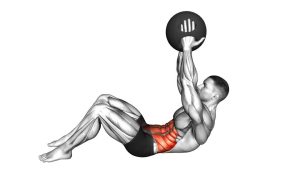
- Hold the dumbbell securely: Grip one dumbbell with both hands above the chest or slightly in front of the upper torso.
- Set your ribs down: Brace your core lightly so your trunk feels stable before you move.
- Relax the neck: Keep the chin slightly tucked without pulling the head forward.
- Control the weight: Keep the dumbbell stable and avoid letting it swing to create momentum.
Execution (Step-by-Step)
- Brace first: Tighten your abs gently before lifting your shoulders from the floor.
- Curl upward: Lift your head, shoulders, and upper back in sequence while keeping the dumbbell controlled.
- Rise to seated: Continue the sit-up until your torso reaches a strong upright position.
- Pause briefly: Hold the top position for a moment without collapsing forward.
- Lower with control: Reverse the movement slowly, placing the lower back, mid-back, shoulders, and head down with control.
- Reset before repeating: Keep the feet planted and begin the next rep only after the dumbbell is stable again.
Pro Tips & Common Mistakes
- Use a controlled tempo: Move up smoothly, pause briefly, then lower slowly.
- Avoid swinging the dumbbell: If the weight pulls you forward, it is probably too heavy.
- Keep the feet grounded: Stable feet help you control the full sit-up path.
- Do not yank the neck: Keep the head relaxed and let the trunk perform the work.
- Control the descent: The lowering phase is important because it trains the abs eccentrically.
- Reduce range if needed: If full sit-ups bother your lower back, use a smaller range or choose crunches instead.
- Exhale as you rise: Breathing out during the lift can help improve abdominal contraction.
FAQ
What muscles does the Dumbbell Sit-Up work?
The Dumbbell Sit-Up mainly works the rectus abdominis. In addition, the hip flexors, obliques, and deep core stabilizers assist as the torso rises and lowers.
Is the Dumbbell Sit-Up good for building abs?
Yes. Because the dumbbell adds external resistance, this exercise can help build stronger and more defined abs when combined with progressive training and proper nutrition.
How heavy should the dumbbell be?
Start light enough to complete every rep without swinging. As a rule, the dumbbell should challenge your abs while still allowing a slow and controlled lowering phase.
Why do I feel this exercise in my hip flexors?
Some hip flexor involvement is normal during sit-ups. However, if the hip flexors dominate, reduce the load, slow the tempo, and focus on curling the spine instead of throwing the torso upward.
Can beginners do Dumbbell Sit-Ups?
Beginners can perform this exercise with a very light dumbbell, but bodyweight sit-ups or crunches may be better first. Once control improves, adding a dumbbell becomes more useful.
Should I hold the dumbbell overhead or near the chest?
In this version, the dumbbell is held with both hands near the chest or upper torso. Holding it farther away or overhead increases difficulty and should only be used when you can control the basic version well.
Recommended Equipment
- Hex Dumbbell — useful for safely loading sit-ups and other core exercises.
- Adjustable Dumbbells — ideal for progressing weight without needing multiple fixed dumbbells.
- Exercise Mat — adds comfort for the spine, hips, and shoulders during floor work.
- Non-Slip Workout Mat — helps keep the body stable while performing weighted core exercises.
- Dumbbell Rack — keeps weights organized and easy to access for core training sessions.
Tip: For this exercise, the best equipment choice is a dumbbell you can control smoothly. Therefore, prioritize clean form before heavier loading.