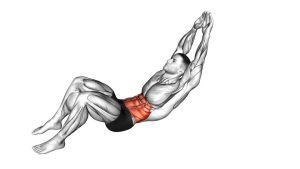
Sitting Side Crunch: Proper Form, Oblique Benefits, Sets, Tips & FAQ
Learn the Sitting Side Crunch for stronger obliques and core control. Includes setup, step-by-step form, sets, mistakes, FAQ, and equipment.
Sitting Side Crunch
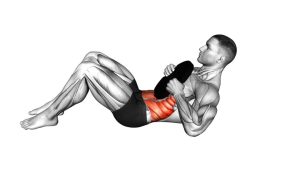
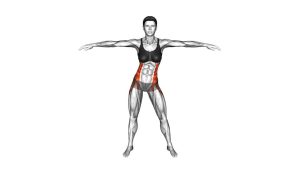
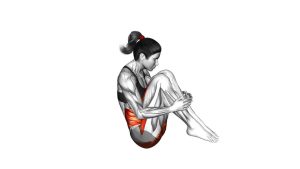
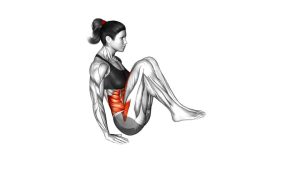
This exercise works best when the torso bends sideways with control. Therefore, avoid turning it into a fast swinging motion. Keep your chest lifted, brace your core lightly, and move only as far as you can without losing balance. Additionally, focus on the side of the waist shortening during each crunch, then return to the center with the same level of control.
Quick Overview
| Body Part | Obliques |
|---|---|
| Primary Muscle | Internal and external obliques |
| Secondary Muscle | Rectus abdominis, transverse abdominis, hip stabilizers |
| Equipment | None required; optional exercise mat or light dumbbell for progression |
| Difficulty | Beginner to intermediate, depending on tempo and range of motion |
Sets & Reps (By Goal)
- Beginner control: 2–3 sets × 8–12 reps per side with a slow, clean tempo.
- Core endurance: 3–4 sets × 12–20 reps per side with steady breathing.
- Oblique strength: 3–4 sets × 10–15 reps per side with a brief squeeze at the bottom.
- Warm-up activation: 1–2 sets × 8–10 reps per side before a core workout.
- Finisher: 2–3 rounds × 30–45 seconds, alternating sides under control.
Progression rule: First improve control, range, and tempo. After that, progress by adding a light dumbbell, increasing reps, or slowing the lowering phase.
Setup / Starting Position
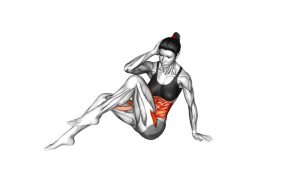
- Sit tall: Start in a seated position with your torso upright and your spine long.
- Set your legs: Keep your knees bent and create a stable base so your hips do not slide or rotate.
- Place your hands: Keep your hands near your head, chest, or sides depending on the variation shown and your balance level.
- Brace lightly: Tighten your midsection as if preparing for a small cough, but avoid holding your breath.
- Keep the chest open: Avoid rounding forward before the first rep.
- Start centered: Begin each repetition from a balanced upright position before bending to the side.
Tip: A slightly slower setup helps you feel the obliques before you move. As a result, the exercise becomes more controlled and less momentum-based.
Execution (Step-by-Step)
- Begin from center: Sit upright with your core engaged and your shoulders relaxed.
- Bend to one side: Crunch sideways by bringing your ribcage toward the same-side hip.
- Squeeze the oblique: Pause briefly at the side-crunch position and feel the waist shorten.
- Avoid twisting: Keep the movement mainly side-to-side instead of rotating the torso aggressively.
- Return slowly: Come back to the upright center position without bouncing.
- Repeat on the other side: Bend to the opposite side using the same range and control.
- Continue alternating: Move side to side while keeping your breathing smooth and your hips stable.
Pro Tips & Common Mistakes
Pro Tips
- Think ribs to hip: This cue helps you target the obliques instead of simply leaning your whole body.
- Use a controlled tempo: Move down for 1–2 seconds, pause briefly, then return for 1–2 seconds.
- Keep your hips steady: Stable hips make the obliques do more of the work.
- Exhale during the crunch: Breathing out helps the abs contract more naturally.
- Train both sides evenly: Match reps and range on each side to build balanced core strength.
Common Mistakes
- Swinging too fast: Momentum reduces oblique tension and makes the exercise less effective.
- Twisting instead of side bending: This changes the movement pattern and may shift stress away from the target muscles.
- Rounding the upper back: Stay tall so the side crunch remains clean and controlled.
- Pulling on the head: If your hands are near your head, keep them light and avoid yanking the neck.
- Using too much range: A smaller range with better control is often more effective than a deep, messy lean.
- Holding the breath: Breathe consistently to keep the core active without unnecessary tension.
FAQ
What muscles does the Sitting Side Crunch work?
The Sitting Side Crunch mainly works the internal and external obliques. Additionally, the rectus abdominis and transverse abdominis help stabilize the trunk during the side-bending motion.
Is the Sitting Side Crunch good for beginners?
Yes. Because it is performed from a seated position, it is easier to control than many advanced floor or hanging oblique exercises. However, beginners should use a small range of motion and avoid rushing the reps.
Should I twist during the Sitting Side Crunch?
No, not as the main focus. This exercise is primarily a side-bending movement. Therefore, keep the ribcage moving toward the same-side hip instead of rotating aggressively.
How many reps should I do per side?
Most people can start with 8–12 reps per side. Once your control improves, you can progress to 12–20 reps per side or use a slower tempo.
Can I add weight to this exercise?
Yes, but only after you can perform the bodyweight version with clean control. A light dumbbell, small medicine ball, or weighted plate can increase difficulty without changing the basic movement.
Why do I feel this in my lower back?
You may be leaning too far, moving too fast, or losing core tension. Reduce your range, sit taller, brace lightly, and focus on side-waist compression rather than collapsing the spine.
Recommended Equipment (Optional)
- Exercise Mat — useful for comfort, grip, and seated core training.
- Light Dumbbell Set — helpful for progressing the Sitting Side Crunch once bodyweight reps feel easy.
- Medicine Ball — a good option for controlled weighted oblique exercises.
- Adjustable Ab Bench — useful for advanced seated, decline, and core-training variations.
- Resistance Bands Set — excellent for pairing seated crunch work with anti-rotation and core stability drills.
Tip: Equipment is optional. However, a mat and light resistance tools can make core sessions more comfortable, progressive, and consistent.