Dumbbell Straight-Arm Crunch: Form, Sets, Tips & Core Training Guide
Learn the Dumbbell Straight-Arm Crunch for stronger abs, better core control, and weighted crunch progression with form tips, sets, FAQs, and gear.
Dumbbell Straight-Arm Crunch
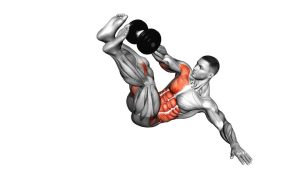
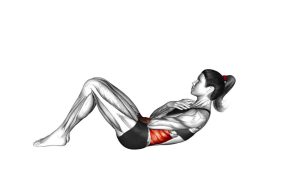
This exercise is useful when you want a simple but more challenging version of a floor crunch. Because the arms stay extended, the dumbbell adds extra tension without requiring a large range of motion. As a result, the abs must work harder to curl the rib cage upward while the shoulders and arms maintain a steady position.
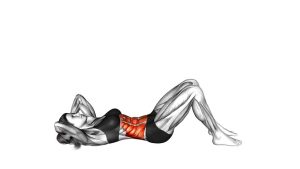
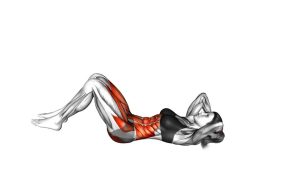
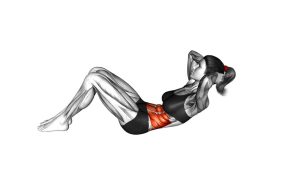
Based on the uploaded video, the movement is performed from a lying position with knees bent, feet planted, and the dumbbell held above the chest. The lifter raises the head, shoulders, and upper back, then lowers back down with control. Meanwhile, the arms remain mostly straight and stable throughout the repetition.
Quick Overview
| Body Part | Core |
|---|---|
| Primary Muscle | Rectus abdominis |
| Secondary Muscle | Obliques, transverse abdominis, hip flexors lightly, shoulder stabilizers |
| Equipment | Dumbbell and exercise mat |
| Difficulty | Beginner to Intermediate |
Sets & Reps (By Goal)
- Core strength: 3–4 sets × 8–12 reps with a controlled 2–3 second lowering phase.
- Muscle endurance: 2–3 sets × 12–20 reps using a lighter dumbbell and smooth tempo.
- Beginner practice: 2–3 sets × 6–10 reps with a very light dumbbell or no weight first.
- Finisher: 2 sets × 15–25 reps after your main workout, keeping each rep clean and pain-free.
Progression rule: First improve control, then increase reps, and only after that increase dumbbell weight. Moreover, the movement should still look like a crunch, not a swinging weighted sit-up.
Setup / Starting Position
- Lie on your back: Set up on the floor or on an exercise mat with your knees bent.
- Plant your feet: Keep both feet stable so your lower body does not shift during the crunch.
- Hold the dumbbell: Grip one dumbbell securely with both hands.
- Extend your arms: Position the dumbbell above your chest with the arms mostly straight.
- Brace lightly: Tighten your abs before lifting, and keep the lower back controlled against the floor.
- Set the head position: Keep the neck comfortable instead of aggressively pulling the chin forward.
Tip: Start with a lighter dumbbell than you think you need. Since the arms stay long, even a small load can feel challenging.
Execution (Step-by-Step)
- Start tall through the arms: Hold the dumbbell above your chest while keeping the elbows mostly straight.
- Exhale and crunch: Curl your head, shoulders, and upper back off the floor.
- Reach upward, not forward: Let the torso move toward the dumbbell while the dumbbell stays steady.
- Squeeze the abs: Pause briefly at the top when your shoulder blades are lifted.
- Lower with control: Slowly return your upper back, shoulders, and head to the floor.
- Reset before the next rep: Keep the feet planted, arms stable, and core braced before repeating.
Pro Tips & Common Mistakes
Pro Tips
- Keep the arms straight: This makes the exercise match the video and keeps the load consistent.
- Think ribs toward pelvis: Instead of sitting all the way up, focus on curling the upper torso.
- Move slowly: A slower tempo increases core tension and reduces cheating.
- Use a small range: The top position only needs the shoulder blades lifted, not a full upright sit-up.
- Control the dumbbell: Keep it stacked above the chest so the shoulders stay stable.
Common Mistakes
- Swinging the dumbbell: This reduces ab tension and can stress the shoulders.
- Bending the arms too much: This changes the exercise into a different weighted crunch variation.
- Pulling with the neck: This can cause discomfort and takes focus away from the abs.
- Using too much weight: Heavy loads often cause momentum, poor control, and unsafe dumbbell movement.
- Turning it into a sit-up: The video shows a crunch pattern, so keep the range compact.
FAQ
What muscles does the Dumbbell Straight-Arm Crunch work?
It mainly trains the rectus abdominis, which is the front abdominal muscle responsible for trunk flexion. Additionally, the obliques and deep core muscles help stabilize the torso while the shoulders control the dumbbell position.
Is the Dumbbell Straight-Arm Crunch good for beginners?
Yes, beginners can use it if the dumbbell is light and the movement stays controlled. However, complete beginners should first learn a bodyweight crunch before adding external load.
Should my arms move during the exercise?
No. Based on the video, the arms stay mostly straight and stable above the chest. Therefore, the torso should move toward the dumbbell instead of the dumbbell swinging toward the torso.
How heavy should the dumbbell be?
Start light enough to complete every rep without neck strain, arm bending, or dumbbell swinging. For many people, a light dumbbell is enough because the straight-arm position increases the challenge.
Is this better than a regular crunch?
It is not automatically better, but it is more challenging because the dumbbell adds load. As a result, it can be a useful progression once regular crunches feel easy and controlled.
Why do I feel my neck during this movement?
Neck tension often happens when you lift with the head instead of curling from the upper abs. To fix this, reduce the weight, slow down, and keep the neck relaxed as the shoulders lift.
Recommended Equipment
- Hex Dumbbell Set — useful for choosing the right load as your core strength improves.
- Adjustable Dumbbell — space-saving option for progressing weight gradually at home.
- Thick Exercise Mat — adds comfort for the spine, shoulders, and head during floor crunches.
- Non-Slip Yoga Mat — helps keep your body stable while performing controlled reps.
- Core Sliders — optional tool for pairing this crunch with other ab and core movements.
Tip: For this exercise, equipment quality matters most for grip, comfort, and control. Also, avoid using a dumbbell that feels unstable above your chest.