Sit-Up Stand-Up: Form, Benefits, Sets, Tips & FAQ
Learn the Sit-Up Stand-Up exercise for core strength, leg control, and functional movement. Includes setup, steps, sets, mistakes, FAQs, and gear.
Sit-Up Stand-Up
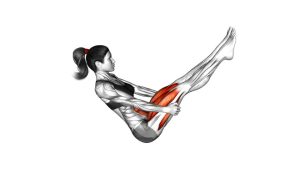
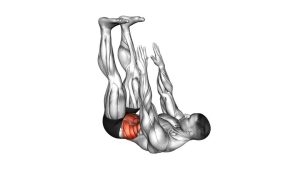
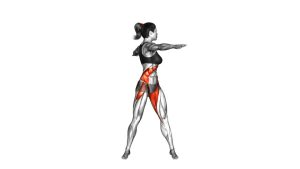
This exercise works best when each phase is performed with steady control. First, the hips move back toward the bench. Then, the body sits down without bouncing. After that, the torso reclines backward while the feet stay planted. Finally, the torso returns upright and the legs drive the body back to standing. As a result, the movement trains practical strength for the core, quads, glutes, and balance.
Quick Overview
| Body Part | Core |
|---|---|
| Primary Muscle | Abdominals |
| Secondary Muscle | Quadriceps, glutes, hip flexors, and lower-body stabilizers |
| Equipment | Bench, box, or sturdy padded stool |
| Difficulty | Beginner to Intermediate |
Sets & Reps (By Goal)
- Movement learning: 2–3 sets × 6–8 reps with slow, clean control.
- Core endurance: 3–4 sets × 8–12 reps with a short pause in the reclined position.
- Functional strength: 3–5 sets × 6–10 reps with a smooth stand-up finish.
- Warm-up use: 1–2 sets × 6–8 reps before lower-body or core training.
Progression rule: Increase control before increasing speed. When every rep stays smooth, you can use a slightly lower bench or add a longer pause during the recline.
Setup / Starting Position
- Place the bench behind you: Use a stable bench, box, or padded stool at a comfortable sitting height.
- Stand tall: Position your feet about hip-width to shoulder-width apart.
- Extend your arms forward: Keep the arms straight in front of the chest for balance.
- Brace gently: Keep the ribs controlled and the spine tall before lowering.
- Look forward: Keep the head neutral instead of looking down sharply.
Tip: Start with a higher bench if you are learning the movement. A higher surface makes the sit-down and stand-up phases easier to control.
Execution (Step-by-Step)
- Begin standing: Stand upright with your arms extended forward and your feet planted.
- Sit back under control: Bend the knees and send the hips backward toward the bench.
- Touch down smoothly: Sit on the bench without dropping, bouncing, or collapsing through the torso.
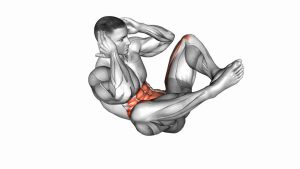
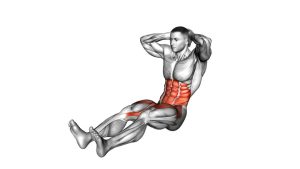
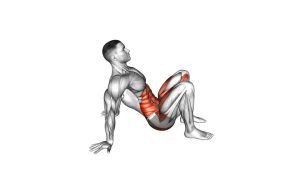
- Lean back: Recline the torso backward while keeping the hips on the bench and the feet on the floor.
- Hold briefly: Pause for a moment when the core is working, but do not force a deep lean.
- Return upright: Use the abdominals to bring the torso back to a seated vertical position.
- Stand up: Lean slightly forward, press through the feet, and extend the hips and knees.
- Finish tall: Return to the starting position with the arms forward and the body balanced.
Pro Tips & Common Mistakes
- Control the sit: Do not drop onto the bench. Instead, lower with your legs and hips.
- Keep the feet planted: Stable feet help the body control both the recline and the stand-up phase.
- Do not over-recline: Lean back only as far as you can return from without pulling or jerking.
- Avoid rounding hard: Keep the torso controlled rather than collapsing through the spine.
- Use the arms for balance: Keep them forward, but do not swing them aggressively for momentum.
- Stand up smoothly: Drive through the feet and finish tall without rushing.
- Match the bench height to your level: A higher bench is easier, while a lower bench increases the challenge.
FAQ
What muscles does the Sit-Up Stand-Up work?
The Sit-Up Stand-Up mainly trains the abdominals during the recline and return. It also works the quadriceps and glutes during the sit-down and stand-up phases.
Is the Sit-Up Stand-Up a core exercise or a leg exercise?
It is both. The seated recline challenges the core, while the sit-to-stand portion trains the legs and hips. Therefore, it fits well in functional core workouts and bodyweight strength routines.
Can beginners do the Sit-Up Stand-Up?
Yes, many beginners can do it if they use a stable, higher bench and keep the recline small. However, the exercise should stay controlled from start to finish.
Why should my arms stay forward?
Keeping the arms forward helps with balance. In addition, it reduces the chance of using arm swing to rush through the movement.
What is the most common mistake?
The most common mistake is using momentum. For better results, lower slowly, recline with control, return upright smoothly, and stand without bouncing.
How can I make the exercise easier?
Use a higher bench, reduce the backward lean, and perform fewer reps. Also, move slower so you can control each phase safely.
How can I make the exercise harder?
Use a slightly lower bench, pause longer in the reclined position, or slow down the standing phase. However, only progress when your balance and control stay consistent.
Recommended Equipment
- Adjustable Workout Bench — useful for setting a stable sitting height and practicing the full movement safely.
- Plyometric Box — provides a firm target for the sit-down and stand-up phases.
- Exercise Mat — adds floor grip and comfort around the training area.
- Non-Slip Training Shoes — helps maintain foot stability during the sit and stand phases.
- Resistance Bands Set — optional tool for pairing this movement with rows, glute work, or warm-up drills.
Tip: Choose equipment that stays stable under your body weight. If the bench or box slides, place it on a non-slip surface before starting.