Half Squat Torso Punches: Core Rotation, Form, Sets & Tips
Learn Half Squat Torso Punches for core rotation, squat stability, and bodyweight conditioning with step-by-step form, tips, sets, FAQs, and gear.
Half Squat Torso Punches
This movement is useful when you want a simple bodyweight drill that trains the obliques, improves rotational control, and adds light conditioning without jumping. Moreover, the half squat position keeps the quads and glutes active while the upper body moves rhythmically.
Quick Overview
| Body Part | Core |
|---|---|
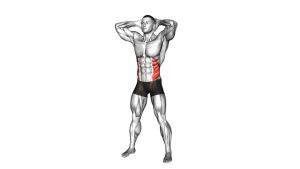
| Primary Muscle | Obliques |
| Secondary Muscle | Abs, quads, glutes, shoulders, and hip stabilizers |
| Equipment | No equipment required |
| Difficulty | Beginner to intermediate |
Sets & Reps (By Goal)
- Core control: 2–3 sets × 10–16 total punches
- Conditioning: 3–4 sets × 20–30 seconds
- Warm-up activation: 1–2 sets × 8–12 controlled punches
- Muscular endurance: 3 sets × 30–45 seconds with steady breathing
Progression rule: First increase control and duration. Then, only when your knees and torso stay stable, increase speed slightly.
Setup / Starting Position
- Stand with your feet wider than hip-width and turn the toes slightly outward.
- Bend the knees into a comfortable half squat without dropping too low.
- Keep your chest lifted, spine neutral, and ribs controlled.
- Bring both hands in front of the chest in a guard position.
- Brace your core lightly before starting the punches.
Execution (Step-by-Step)
- Hold the half squat: Keep your knees bent and your feet planted.
- Rotate the torso: Turn your shoulders slightly toward one side while keeping the lower body stable.
- Punch forward: Extend one arm across the body in a controlled punching motion.
- Retract the arm: Bring the punching hand back to the chest.
- Switch sides: Rotate the torso in the opposite direction and punch with the other arm.
- Continue alternating: Keep the motion smooth, controlled, and balanced.
Pro Tips & Common Mistakes
- Keep the squat shallow: This is a half squat, not a deep squat.
- Rotate from the torso: Do not rely only on the arm swing.
- Control the knees: Avoid letting the knees cave inward as you punch.
- Stay tall: Keep the chest lifted instead of collapsing forward.
- Breathe rhythmically: Exhale as you punch and inhale as you reset.
- Avoid rushing: Faster reps are not better if your posture breaks.
FAQ
What muscles do Half Squat Torso Punches work?
Half Squat Torso Punches mainly work the obliques and abs. In addition, the quads, glutes, shoulders, and hip stabilizers assist because the body must hold a steady squat while rotating.
Is this exercise good for beginners?
Yes. This exercise can be beginner-friendly when performed slowly with a shallow squat and small rotation. However, beginners should focus on control before adding speed.
Should I use weights for this exercise?
The visible version uses no equipment. For most people, bodyweight is enough at first because the goal is controlled rotation, stable knees, and steady breathing.
Why do my legs feel tired during this core exercise?
Your legs stay active because you are holding a half squat. As a result, the quads and glutes work isometrically while your core controls the punching rotation.
How can I make Half Squat Torso Punches harder?
You can increase the time per set, slow the return phase, or maintain a slightly deeper half squat. Still, keep the movement controlled and avoid twisting the lower back aggressively.
Recommended Equipment (Optional)
- Exercise Mat — useful for warm-ups, cooldowns, and nearby floor-based core drills
- Mini Resistance Bands — helpful for glute activation before squat-based movements
- Light Dumbbells — optional progression for advanced users only when form stays controlled
- Training Shoes — supports stable foot contact during squat and rotation drills
- Fitness Interval Timer — useful for timed conditioning sets and workout circuits
Tip: Keep equipment optional. This exercise works very well as a no-equipment bodyweight movement.