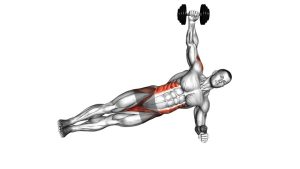
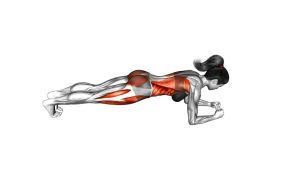
Wide Front Elbow Plank: Form, Core Benefits, Sets, Tips & FAQ
Learn the Wide Front Elbow Plank for stronger core stability, shoulders, chest, and posture control with setup, steps, sets, mistakes, FAQs, and gear.
Wide Front Elbow Plank
This plank variation works best when the body stays quiet, controlled, and aligned. Instead of chasing movement, focus on maintaining full-body tension through the abs, glutes, thighs, chest, and shoulders. Moreover, the wide elbow position makes the upper body work harder to stabilize the torso, so clean form matters more than hold time.
Quick Overview
| Body Part | Core |
|---|---|
| Primary Muscle | Rectus abdominis and deep core stabilizers |
| Secondary Muscle | Obliques, transverse abdominis, shoulders, chest, glutes, and quadriceps |
| Equipment | No equipment required; exercise mat optional |
| Difficulty | Beginner to intermediate, depending on hold time and body control |
Sets & Reps (By Goal)
- Core endurance: 3–4 sets × 20–45 seconds, resting 45–75 seconds between sets.
- Beginner control: 2–3 sets × 10–20 seconds, using shorter holds with perfect alignment.
- Shoulder and chest stability: 3–5 sets × 15–30 seconds, keeping the elbows wide and the torso steady.
- Workout finisher: 2–4 rounds × 30–60 seconds, only if your hips and spine stay controlled.
Progression rule: Add 5–10 seconds only when you can hold the plank without hip sagging, shoulder collapse, or neck tension.
Setup / Starting Position
- Start face down: Lie on the floor with your body extended and your forearms placed in front of you.
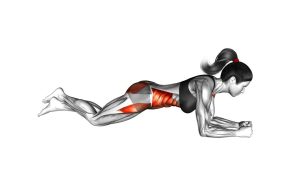
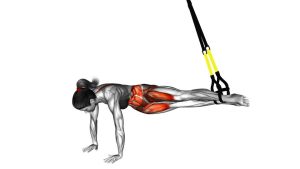
- Set the elbows wide: Position the elbows wider than shoulder width, as shown in the exercise video.
- Place the forearms firmly: Keep the forearms angled slightly forward and press them into the floor.
- Extend the legs back: Keep both legs straight with the toes on the floor.
- Brace before lifting: Tighten the abs, lightly squeeze the glutes, and prepare to lift into a straight plank line.
Keep your head neutral and your eyes pointed toward the floor. This helps the neck stay aligned with the spine.
Execution (Step-by-Step)
- Lift into position: Raise your body onto your forearms and toes while keeping the elbows wide.
- Create a straight line: Align the head, shoulders, hips, knees, and heels as one long plank.
- Brace the core: Pull the ribs down slightly and tighten the abs without holding your breath.
- Stabilize the shoulders: Press the forearms into the floor and keep the chest from sinking between the arms.
- Hold steady: Maintain the position for the target time while avoiding rocking, sagging, or piking.
- Lower with control: Bring the knees down or return to the floor when your form starts to fade.
Pro Tips & Common Mistakes
- Keep the hips level: Do not let the lower back sag, because this reduces core tension and may stress the spine.
- Avoid lifting the hips too high: A pike position makes the hold easier and shifts tension away from the abs.
- Press through the forearms: This improves shoulder stability and helps prevent the chest from collapsing.
- Keep the neck neutral: Do not look forward. Instead, keep the face angled toward the floor.
- Use controlled breathing: Breathe slowly through the hold so your core stays braced without unnecessary tension.
- Stop before form breaks: A shorter clean hold is more effective than a long plank with poor posture.
FAQ
What muscles does the Wide Front Elbow Plank work?
The Wide Front Elbow Plank mainly trains the core, especially the abs and deep stabilizers. In addition, the wide elbow position increases demand on the shoulders, chest, obliques, glutes, and thighs.
Is the Wide Front Elbow Plank harder than a regular elbow plank?
It can feel harder for the upper body because the elbows are placed wider. As a result, the chest and shoulders must stabilize more while the core keeps the torso aligned.
How long should I hold this plank?
Start with 10–20 seconds if you are learning the movement. Then, gradually build toward 30–60 seconds only when your hips, shoulders, and neck stay controlled.
Should my elbows be directly under my shoulders?
In this variation, the elbows are intentionally wider than shoulder width. However, they should still feel stable and comfortable, not painful or forced.
Why does my lower back hurt during planks?
Lower-back discomfort often happens when the hips sag or the abs lose tension. Therefore, reduce the hold time, brace harder through the core, and stop the set before alignment breaks.
Recommended Equipment
- Exercise Mat — adds comfort under the elbows and helps protect the floor during plank holds.
- Forearm Plank Pad — useful if elbow pressure limits your plank time or comfort.
- Non-Slip Yoga Mat — improves grip so the forearms and toes stay planted during the hold.
- Resistance Bands Set — helpful for pairing plank work with shoulder and upper-back stability drills.
- Core Sliders — optional tool for advanced plank progressions after you master the static hold.
Choose equipment that improves comfort and control. However, the exercise itself can be performed effectively with no equipment.