Planche Dip on Parallel Bars: Form, Muscles Worked, Sets, Tips & FAQ
Learn the Planche Dip on Parallel Bars to build advanced shoulder, triceps, chest, and core strength with proper form, sets, tips, FAQs, and gear.
Planche Dip on Parallel Bars
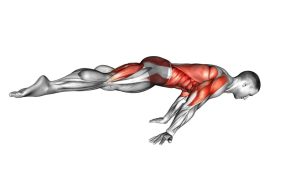
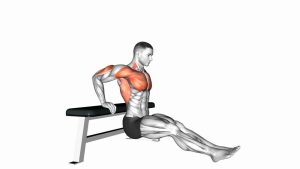
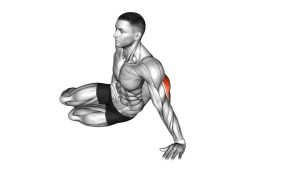
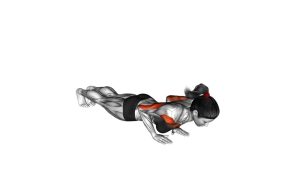
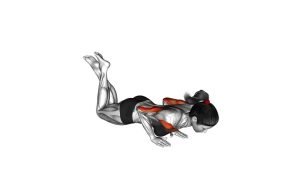
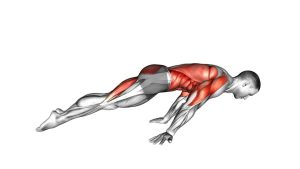
This exercise is best used by athletes who already have strong standard dips, solid push-up strength, and good shoulder control. During the movement, the body should stay tight from shoulders to feet while the athlete lowers between the bars and presses back up without swinging, arching, or losing the forward lean. The more the shoulders travel forward over the hands, the more the exercise becomes a planche-style strength drill.
Quick Overview
| Body Part | Chest, Front Shoulders, Triceps |
|---|---|
| Primary Muscle | Anterior deltoids, triceps brachii, and upper chest |
| Secondary Muscle | Serratus anterior, core, lower chest, scapular stabilizers, forearms, and wrist stabilizers |
| Equipment | Parallel bars or sturdy dip bars |
| Difficulty | Advanced |
Sets & Reps (By Goal)
- Strength skill practice: 3–5 sets × 2–5 controlled reps, resting 2–3 minutes between sets.
- Planche progression work: 3–4 sets × 3–6 reps using a smaller range of motion and strict forward lean.
- Upper-body power: 4–6 sets × 2–4 reps with full control and no bouncing at the bottom.
- Accessory hypertrophy: 2–4 sets × 5–8 reps only if form stays clean and shoulders feel stable.
- Technical beginner progression: Use planche lean holds, pseudo planche push-ups, and regular dips before attempting full reps.
Progression rule: First improve control, range of motion, and shoulder position. Do not add more reps if your hips sag, elbows flare excessively, or your shoulders collapse at the bottom.
Setup / Starting Position
- Set the bars: Use stable parallel bars that are wide enough for your shoulders but not so wide that your elbows flare out.
- Grip firmly: Wrap your hands around the bars and press down strongly through the palms.
- Lock out at the top: Start with arms straight, shoulders depressed, and elbows fully extended without hyperextending.
- Lean forward: Shift your shoulders in front of your hands to create the planche-style angle.
- Brace the body: Tighten your abs, glutes, and legs so your body stays rigid like a plank.
- Protract the shoulders: Push the upper back slightly away from the bars to keep the scapula stable.
- Keep the head neutral: Look slightly forward and down without craning the neck.
Setup checkpoint: If you cannot hold the top position with a forward lean for at least 5–10 seconds, practice planche leans before adding the dip motion.
Execution (Step-by-Step)
- Start tall on the bars: Press firmly through both hands and lock into a strong support position.
- Create the lean: Move your shoulders forward past your hands while keeping your torso and legs tight.
- Begin the descent: Bend your elbows slowly and lower your chest between the bars.
- Keep the body rigid: Do not let the hips drop, knees bend, or lower back arch.
- Control the bottom: Lower until your elbows are around 90 degrees or slightly deeper if your shoulders remain pain-free.
- Pause briefly: Hold tension at the bottom without bouncing or relaxing into the joints.
- Press back up: Drive through the bars, extend the elbows, and keep the shoulders forward as you rise.
- Finish in lockout: Return to the top with straight arms, protracted shoulders, tight core, and no swinging.
Pro Tips & Common Mistakes
- Keep the forward lean: The planche angle is the main feature of this exercise. Do not drift into a normal vertical dip.
- Control the elbows: Let the elbows bend naturally backward, but avoid aggressive flaring that stresses the shoulders.
- Stay protracted: Keep the upper back active so the shoulder blades do not collapse together.
- Brace your core hard: A loose core turns the movement into a shaky dip and reduces planche strength carryover.
- Avoid bouncing: Never drop into the bottom position quickly. Use a smooth descent and controlled press.
- Use partial reps first: Smaller range reps are better than deep reps with poor shoulder control.
- Warm up wrists and shoulders: Include wrist circles, scapular push-ups, support holds, and easy dips before hard sets.
- Do not chase failure: Stop each set before your lean, elbow path, or body tension breaks down.
FAQ
What muscles do Planche Dips on Parallel Bars work?
Planche Dips mainly work the front deltoids, triceps, and upper chest. They also train the serratus anterior, core, scapular stabilizers, forearms, and wrist stabilizers because the body must stay rigid in a forward-leaning position.
Is the Planche Dip harder than a regular dip?
Yes. A regular dip keeps the torso more upright, while the Planche Dip shifts the shoulders forward and increases the demand on the shoulders, triceps, and core. This makes it much more advanced than a standard parallel bar dip.
Should beginners do Planche Dips?
Most beginners should not start with full Planche Dips. Better progressions include regular dips, support holds, scapular push-ups, planche leans, pseudo planche push-ups, and partial range planche dips.
How deep should I go?
Lower until your elbows reach about 90 degrees or slightly deeper if your shoulders stay comfortable and stable. Do not force extreme depth if your shoulders roll forward, your elbows flare, or you feel joint pain.
Why do my shoulders feel this exercise more than my chest?
That is normal. The forward lean shifts the load toward the anterior deltoids and planche-specific shoulder strength. The chest still assists, but this variation is more shoulder-dominant than a regular dip.
How can I make Planche Dips easier?
Use a smaller range of motion, reduce the forward lean, keep your feet lightly supported, or practice planche lean holds first. You can also use resistance bands for assistance if the setup allows safe control.
Recommended Equipment
- Calisthenics Parallel Bars — essential for practicing Planche Dips, support holds, L-sits, and advanced bodyweight push work.
- Dip Station — a stable option for dips, planche progressions, triceps training, and chest-focused bodyweight work.
- Wrist Wraps — helpful for wrist support during forward-leaning calisthenics exercises.
- Resistance Bands — useful for assisted progressions, shoulder warm-ups, and band-supported strength work.
- Gymnastics Parallettes — useful for planche leans, pseudo planche push-ups, tuck planche practice, and wrist-friendly push training.
Equipment tip: Choose sturdy bars with non-slip feet and enough height for safe elbow bend. Stability matters more than portability for advanced pressing drills.