V-Sit Against Wall: Core Form, Benefits, Sets, Tips & FAQ
Learn the V-Sit Against Wall to build core strength, hip flexor control, and ab stability with safe form, sets, tips, mistakes, FAQs, and equipment.
V-Sit Against Wall
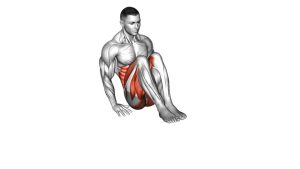
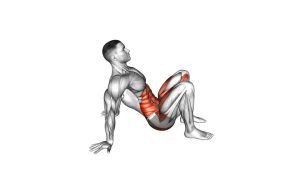
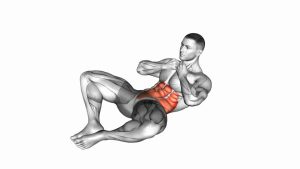
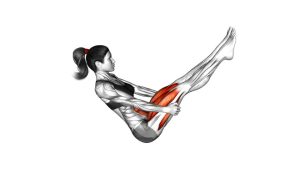
This exercise is ideal for learning how to create core tension while keeping the torso upright. The wall provides feedback for posture, while the raised legs challenge the abs, hip flexors, and lower-body control. The goal is not to swing the legs or force a high lift. Instead, focus on a smooth hold, steady breathing, and clean body alignment.
Quick Overview
| Body Part | Core |
|---|---|
| Primary Muscle | Rectus abdominis |
| Secondary Muscle | Hip flexors, obliques, transverse abdominis, quadriceps |
| Equipment | Wall and exercise mat |
| Difficulty | Beginner to Intermediate |
Sets & Reps (By Goal)
- Beginner core control: 2–3 sets × 10–20 second holds
- Core endurance: 3–4 sets × 20–35 second holds
- Strength progression: 3–5 sets × 15–30 second holds with straighter legs
- Warm-up activation: 1–2 sets × 8–12 controlled leg lifts or short holds
- Skill preparation: 3–4 sets × 10–25 seconds before L-sit or V-sit training
Progression rule: First improve control and breathing. Then increase hold time. After that, straighten the legs more or lift the feet slightly higher.
Setup / Starting Position
- Sit on the floor with your back close to a wall.
- Place your hips near the wall while keeping your torso tall and supported.
- Bend your knees and position your feet lightly on the floor in front of you.
- Extend your arms forward or keep them beside your legs for balance.
- Brace your abs gently before lifting your feet.
- Keep your chest lifted, shoulders relaxed, and neck neutral.
Start with bent knees if you are new to the movement. A smaller leg angle makes the exercise easier and helps you maintain better control.
Execution (Step-by-Step)
- Brace first: Tighten your core as if preparing for a small punch to the stomach.
- Lift the feet: Raise both feet off the floor while keeping your knees bent.
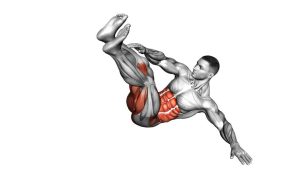
- Create the V shape: Extend the legs forward slightly until your body forms a controlled seated V position.
- Hold steady: Keep the back supported by the wall and avoid rocking or swinging.
- Breathe slowly: Use controlled breaths without relaxing your brace.
- Return with control: Bend the knees slightly and lower the feet back down without dropping them.
Pro Tips & Common Mistakes
- Keep the movement slow: Avoid kicking the legs up with momentum.
- Use the wall as feedback: Let it guide posture, but do not collapse into it.
- Do not hold your breath: Short, controlled breathing helps maintain core tension.
- Bend the knees when needed: Bent knees reduce hip flexor strain and improve control.
- Avoid neck tension: Keep the chin neutral and shoulders down.
- Do not chase height: A lower controlled leg position is better than a high sloppy one.
- Control the return: The lowering phase matters as much as the hold.
FAQ
What muscles does the V-Sit Against Wall work?
The main target is the rectus abdominis. It also trains the hip flexors, obliques, deep core stabilizers, and quadriceps because the legs must stay lifted and controlled.
Is the V-Sit Against Wall good for beginners?
Yes. The wall makes the exercise more beginner-friendly by supporting the torso and reducing balance demands. Beginners should start with bent knees and short holds.
Why do my hip flexors feel this exercise?
The hip flexors work because they help keep your legs lifted. This is normal, but your abs should still stay active. If your hip flexors dominate, bend your knees more and shorten the hold.
Should my lower back stay flat against the wall?
Your back should stay controlled and supported, but you do not need to forcefully flatten it. Avoid excessive arching, sliding, or collapsing during the hold.
How can I make the exercise harder?
You can make it harder by straightening your legs more, increasing hold time, slowing the lowering phase, or lightly reaching the arms forward without losing posture.
Recommended Equipment
- Exercise Mat — provides floor comfort and helps protect the tailbone during seated core work
- Extra-Thick Yoga Mat — useful if you need more cushioning for hips and lower back
- Core Sliders — helpful for progressing into controlled knee tucks and advanced ab drills
- Pilates Ball — can support beginner core activation and controlled ab progressions
- Resistance Bands Set — useful for pairing the exercise with hip flexor, core, and posture work
Tip: For this exercise, comfort and control matter more than heavy equipment. A stable wall and a supportive mat are usually enough to perform the movement safely.