Lying Butterfly Crunch: Proper Form, Core Benefits, Sets & Tips
Learn the Lying Butterfly Crunch to target your abs with better control. Includes form steps, sets, mistakes, FAQs, and equipment tips.
Lying Butterfly Crunch
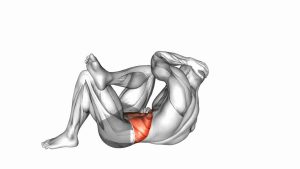
This exercise is best for building controlled abdominal tension, improving crunch mechanics, and training the upper portion of the abs without needing equipment. Because the legs are externally rotated and relaxed, the body has less ability to “cheat” through the hips. For best results, move slowly, exhale as you crunch, and keep the neck supported without pulling on the head.
Quick Overview
| Body Part | Core |
|---|---|
| Primary Muscle | Rectus abdominis |
| Secondary Muscle | Obliques, deep core stabilizers, hip external rotators lightly |
| Equipment | No equipment required; optional exercise mat |
| Difficulty | Beginner to intermediate |
Sets & Reps (By Goal)
- Beginner core control: 2–3 sets × 8–12 reps with slow tempo
- Ab strength and endurance: 3–4 sets × 12–20 reps
- Core finisher: 2–3 sets × 20–30 seconds of continuous controlled reps
- Technique practice: 2 sets × 6–10 reps with a 2-second squeeze at the top
Progression rule: Add reps first, then slow the lowering phase, then add a brief pause at the top. Avoid progressing by pulling harder on the neck or swinging the upper body.
Setup / Starting Position
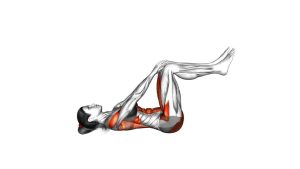
- Lie on your back: Start on a mat with your spine comfortable and your head resting on the floor.
- Create the butterfly position: Bend your knees, bring the soles of your feet together, and let your knees open outward.
- Set your arms: Place your hands lightly behind your head or near your temples without pulling.
- Brace gently: Draw the ribs down and lightly tighten the abs before moving.
- Keep the lower body quiet: Feet stay together, knees stay open, and hips remain relaxed.
Your legs should feel relaxed in the butterfly position. If the hips feel uncomfortable, bring the feet slightly farther away from the body or reduce the knee opening.
Execution (Step-by-Step)
- Prepare your breath: Inhale gently while keeping your ribs controlled and your lower back stable.
- Crunch upward: Exhale and lift your head, shoulders, and upper back a few inches from the floor.
- Shorten the abs: Think about bringing the ribs slightly toward the pelvis, not yanking the head forward.
- Pause briefly: Hold the top position for a moment while keeping the neck relaxed.
- Lower with control: Slowly return your shoulders and head to the floor without collapsing.
- Repeat smoothly: Keep each rep small, clean, and consistent.
Pro Tips & Common Mistakes
- Do not perform a full sit-up: This is a crunch, so the shoulder blades only need to lift slightly.
- Exhale on the lift: A strong exhale helps the ribs move down and improves abdominal contraction.
- Keep the elbows wide: This reduces the temptation to pull the head forward.
- Relax the hips: The butterfly position should support the exercise, not create groin tension.
- Avoid momentum: Fast reps reduce ab tension and increase neck compensation.
- Control the lowering phase: Lowering slowly keeps tension on the abs and improves results.
- Keep the chin neutral: Maintain a small space between the chin and chest instead of forcing the neck forward.
FAQ
What muscles does the Lying Butterfly Crunch work?
The Lying Butterfly Crunch mainly targets the rectus abdominis, especially the upper portion of the abs. The obliques and deep core muscles also assist with stability.
Why use the butterfly leg position?
The butterfly position helps reduce hip flexor involvement and keeps the focus on spinal flexion from the abs. It also makes the exercise feel more isolated than a standard crunch for many people.
Is the Lying Butterfly Crunch good for beginners?
Yes. It is beginner-friendly when performed with a small range of motion and controlled tempo. Beginners should focus on clean reps instead of high volume.
Should my lower back stay on the floor?
Your lower back should stay controlled and close to the floor. Avoid arching aggressively or using the hips to help lift the torso.
How can I make this exercise harder?
You can slow the lowering phase, pause at the top, increase reps, or hold a light weight across the chest. Only add resistance after your form stays stable.
Recommended Equipment
- Exercise Mat — provides floor comfort and supports better crunch control
- Thick Yoga Mat — helpful if your spine or hips feel pressure on hard floors
- Ab Mat — supports abdominal training and can help with controlled floor core work
- Pilates Ring — useful for adding light inner-thigh or core activation variations
- Light Dumbbell Set — optional progression tool for advanced weighted crunch variations
Tip: The Lying Butterfly Crunch does not require equipment, but a comfortable mat can improve consistency and reduce unnecessary pressure on the spine.