Frog Crunch Hold: Core Form, Benefits, Sets, Tips & FAQ
Learn the Frog Crunch Hold to build stronger abs with controlled isometric tension. Includes form steps, sets, tips, mistakes, FAQs, and gear.
Frog Crunch Hold
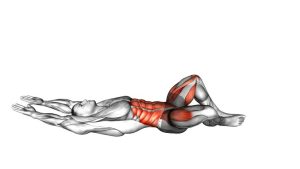
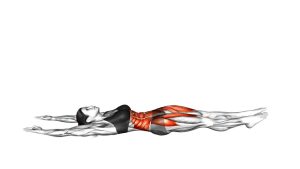
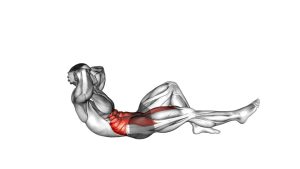
This exercise works best when performed slowly with precise body control. The upper back should lift slightly from the floor while the legs remain in a stable frog position. You should feel the abs working hard without pulling on the neck, arching the lower back, or swinging the legs.
Quick Overview
| Body Part | Core |
|---|---|
| Primary Muscle | Rectus abdominis |
| Secondary Muscle | Obliques, transverse abdominis, hip stabilizers |
| Equipment | No equipment required; optional exercise mat |
| Difficulty | Beginner to Intermediate |
Sets & Reps (By Goal)
- Core activation: 2–3 sets × 10–20 second holds
- Ab endurance: 3–4 sets × 20–35 second holds
- Strength control: 3–5 sets × 15–30 second holds with slow breathing
- Beginner practice: 2 sets × 8–12 second holds
Progression rule: Add hold time before adding difficulty. When you can hold the position without neck strain or lower-back arching, progress by extending the hold or slowing your breathing tempo.
Setup / Starting Position
- Lie on your back: Use a mat if needed and keep your spine comfortable.
- Create the frog position: Bend your knees outward and bring the soles of your feet close together.
- Brace your core: Gently press your lower back toward the floor without forcing it.
- Set your upper body: Place your hands lightly behind the head or across the chest.
- Relax the neck: Keep the chin slightly tucked and avoid pulling the head forward.
Execution (Step-by-Step)
- Start with control: Keep the legs open in the frog position and brace the abs before lifting.
- Lift into a small crunch: Raise the head, shoulders, and upper back slightly from the floor.
- Hold the top position: Keep steady tension through the abs without swinging the legs.
- Breathe slowly: Use short, controlled breaths while maintaining the crunch position.
- Lower with control: Return the upper back to the floor slowly when the hold is complete.
Pro Tips & Common Mistakes
- Keep the hold small: A higher crunch is not always better. Quality tension matters more than height.
- Avoid pulling the neck: If your hands are behind your head, use them only for light support.
- Do not let the lower back arch: Keep the pelvis controlled and the core braced.
- Keep the knees open: The frog position helps shift emphasis toward the abs.
- Avoid rushing the release: Lower slowly to maintain control through the full set.
- Use steady breathing: Holding your breath can increase tension in the neck and shoulders.
FAQ
What muscles does the Frog Crunch Hold work?
The Frog Crunch Hold mainly targets the rectus abdominis. It also uses the obliques, transverse abdominis, and hip stabilizers to keep the body steady during the hold.
Is the Frog Crunch Hold good for beginners?
Yes. Beginners can use short holds and a small crunch range. Start with 8–12 second holds and focus on keeping the lower back controlled and the neck relaxed.
Should my feet touch during the exercise?
The soles of the feet can touch or stay close together. The key is keeping the knees open and maintaining a stable frog-leg position without forcing the hips.
Why do I feel this in my neck?
Neck tension usually happens when you pull the head forward or crunch too high. Reduce the range, support the head lightly, and focus on lifting from the ribs instead of the neck.
How can I make the Frog Crunch Hold harder?
Increase the hold time, slow your breathing, or add a small pulse at the top. Only progress when you can maintain clean form without lower-back arching or neck strain.
Recommended Equipment (Optional)
- Exercise Mat — adds comfort and support for floor-based ab training
- Thick Yoga Mat — useful if your lower back or hips need extra cushioning
- Core Sliders — helpful for progressing into dynamic core movements
- Ab Roller Wheel — advanced tool for stronger anti-extension core training
- Resistance Bands Set — useful for full core workouts and accessory strengthening
Tip: Equipment is optional. The Frog Crunch Hold can be trained effectively with only bodyweight and a comfortable floor surface.