Lever Seated Leg Curl: Proper Form, Muscles Worked, Sets & Tips
Learn the Lever Seated Leg Curl for stronger hamstrings with proper setup, controlled reps, form tips, sets by goal, FAQs, and equipment.
Lever Seated Leg Curl
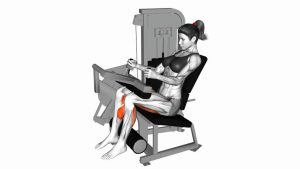
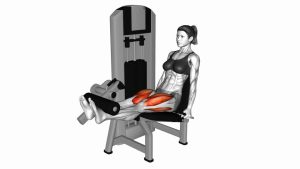
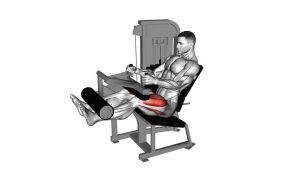
This exercise works best when the hips stay fixed, the knees stay aligned with the machine’s pivot point, and the movement stays smooth from start to finish. Avoid swinging the weight or lifting your hips off the seat. A clean seated leg curl should feel like a direct hamstring contraction, not a full-body pull.
Quick Overview
| Body Part | Hamstrings |
|---|---|
| Primary Muscle | Hamstrings: biceps femoris, semitendinosus, semimembranosus |
| Secondary Muscle | Gastrocnemius, popliteus, and lower-body stabilizers |
| Equipment | Lever seated leg curl machine or plate-loaded seated leg curl machine |
| Difficulty | Beginner to intermediate |
Sets & Reps (By Goal)
- Muscle growth: 3–5 sets × 8–15 reps with a controlled 2–3 second lowering phase.
- Strength focus: 3–4 sets × 6–10 reps using heavier resistance while keeping strict form.
- Beginner technique: 2–3 sets × 10–12 reps with light-to-moderate weight.
- Hamstring endurance: 2–4 sets × 15–20 reps with short rests and smooth tempo.
Progression rule: Add reps first, then add small weight increases. Never increase the load if your hips lift or your reps become fast and uncontrolled.
Setup / Starting Position
- Sit fully into the machine: Keep your back against the pad and your hips secure on the seat.
- Align your knees: Position your knees close to the machine’s pivot point for smoother movement.
- Place the ankle pad correctly: The roller should rest against the lower calves, just above the heels.
- Lock the thighs down: Adjust the thigh pad so your legs stay stable without uncomfortable pressure.
- Grip the handles: Hold the side handles lightly to keep your torso still.
- Start with control: Extend the legs without aggressively locking the knees.
Execution (Step-by-Step)
- Brace lightly: Keep your torso tall, ribs down, and hips fixed against the seat.
- Curl the pad down: Pull your heels back by bending your knees and contracting the hamstrings.
- Move through full control: Avoid jerking the lever or using momentum to start the rep.
- Squeeze at the bottom: Pause briefly when the knees are deeply bent and the hamstrings are fully contracted.
- Return slowly: Let the lever rise under control until your legs are nearly straight again.
- Keep tension: Do not slam the lever, bounce at the top, or fully relax between reps.
Pro Tips & Common Mistakes
- Use a full but pain-free range: Curl as far as you can without knee discomfort or hip movement.
- Control the eccentric: The lowering phase is important for hamstring growth and joint control.
- Do not lift your hips: If your hips rise, the weight is probably too heavy.
- Avoid bouncing: A bounce at the top reduces tension and may irritate the knees.
- Keep the ankle pad stable: The roller should not slide up and down your calves during the rep.
- Use a brief squeeze: A 1-second contraction at the bottom can improve mind-muscle connection.
- Do not over-point the toes: Keep the feet neutral or slightly relaxed so the hamstrings stay dominant.
FAQ
What muscles does the Lever Seated Leg Curl work?
The Lever Seated Leg Curl mainly works the hamstrings, including the biceps femoris, semitendinosus, and semimembranosus. The gastrocnemius can assist because it also crosses the knee joint.
Is the seated leg curl better than the lying leg curl?
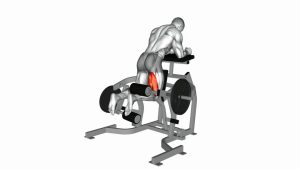
Both are useful. The seated version places the hips in a flexed position, which can create a strong hamstring stretch before the curl. The lying version may feel more stable for some lifters. Using both can be effective for complete hamstring development.
Should I go heavy on the seated leg curl?
You can use moderate to heavy loads, but only if your hips stay down and your reps remain controlled. If you need to swing or shorten the range too much, reduce the weight.
Where should I feel this exercise?
You should feel it mainly in the back of the thighs. A small amount of calf involvement is normal, but the hamstrings should do most of the work.
Can beginners do the Lever Seated Leg Curl?
Yes. It is beginner-friendly because the machine guides the movement. Start light, learn the setup, and focus on slow, clean repetitions.
Recommended Equipment
- Seated Leg Curl Machine — ideal for direct hamstring isolation at home or in a training studio
- Adjustable Weight Plates — useful for plate-loaded lever leg curl machines
- Cable Ankle Strap — helpful for cable hamstring curl variations when a machine is not available
- Adjustable Exercise Bench — useful for dumbbell lying leg curl alternatives
- Hamstring Sliders — great for bodyweight hamstring curl progressions and home workouts
Tip: Choose equipment that lets you train with smooth resistance and stable body positioning. The best hamstring curl setup is one that allows full control without knee discomfort.