Dumbbell Lying Hamstring Curl: Form, Sets, Tips & FAQ
Learn the Dumbbell Lying Hamstring Curl for stronger hamstrings with safe form, setup, reps, common mistakes, FAQs, and home workout equipment.
Dumbbell Lying Hamstring Curl
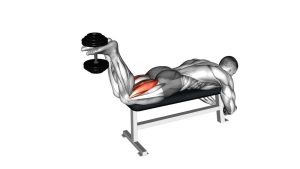
This exercise is best performed with slow control, a secure foot grip, and a smooth curl toward the glutes. Because the dumbbell is held between the feet, the goal is not only to bend the knees but also to keep the hips stable, the lower back quiet, and the weight from swinging.
Quick Overview
| Body Part | Hamstrings |
|---|---|
| Primary Muscle | Hamstrings: biceps femoris, semitendinosus, semimembranosus |
| Secondary Muscle | Calves, glutes, adductors, core stabilizers |
| Equipment | Dumbbell and exercise mat |
| Difficulty | Intermediate because the dumbbell must be controlled between the feet |
Sets & Reps (By Goal)
- Muscle growth: 3–4 sets × 8–12 reps with a slow 2–3 second lowering phase.
- Hamstring strength: 3–5 sets × 6–10 reps using controlled heavier loading.
- Mind-muscle connection: 2–3 sets × 12–15 reps with a light dumbbell and full control.
- Warm-up activation: 1–2 sets × 12–20 reps using very light resistance.
Progression rule: Increase reps first, then increase dumbbell weight only when every rep stays smooth and the weight remains secure between the feet.
Setup / Starting Position
- Lie face down on a mat with your legs extended behind you.
- Place a dumbbell vertically between your feet, securing it around the inner arches or heel area.
- Rest your forearms on the floor and keep your chest supported.
- Brace your core lightly so your hips stay close to the floor.
- Begin with your knees nearly straight and the hamstrings gently stretched.
Use a dumbbell shape that your feet can hold securely. Hex dumbbells are usually easier to control than round dumbbells.
Execution (Step-by-Step)
- Secure the dumbbell: Squeeze your feet together so the weight does not slide.
- Start the curl: Bend your knees and bring your heels toward your glutes.
- Control the path: Keep the thighs mostly still while the lower legs move in a smooth arc.
- Squeeze at the top: Pause briefly when the dumbbell reaches the highest comfortable point.
- Lower slowly: Extend the knees under control until the legs are almost straight again.
- Repeat cleanly: Avoid bouncing, swinging, or letting the dumbbell drop quickly.
Pro Tips & Common Mistakes
- Use a light dumbbell first: Control matters more than load in this variation.
- Keep the hips quiet: Do not turn the exercise into a lower-back extension movement.
- Do not rush the lowering phase: The eccentric portion is highly valuable for hamstring growth.
- Avoid loose foot placement: A slipping dumbbell can break form and increase injury risk.
- Keep your knees in line: Do not let the knees flare excessively outward.
- Use a mat: A comfortable surface helps you stay stable and focused on the hamstrings.
FAQ
What muscles does the Dumbbell Lying Hamstring Curl work?
It primarily works the hamstrings, including the biceps femoris, semitendinosus, and semimembranosus. The calves, glutes, and core also help stabilize the movement.
Is the Dumbbell Lying Hamstring Curl good for home workouts?
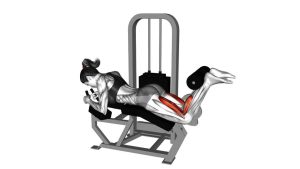
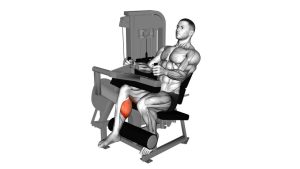
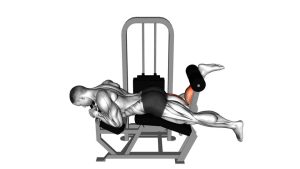
Yes. It is one of the best home-friendly alternatives to a lying leg curl machine because it only requires a dumbbell and enough floor space.
Why does the dumbbell slip during this exercise?
The dumbbell usually slips when the load is too heavy, the feet are not squeezed firmly enough, or the dumbbell shape is difficult to grip. Use a lighter hex dumbbell and control the tempo.
Should I lift my hips during the curl?
A small amount of natural hip movement may happen, but the hips should not lift aggressively. Excessive hip lifting reduces hamstring isolation and may stress the lower back.
Is this exercise better than machine leg curls?
It is not necessarily better, but it is a useful alternative. Machine leg curls provide more stability, while the dumbbell version adds a balance and control challenge.
Recommended Equipment
- Hex Dumbbell — easier to hold between the feet than a round dumbbell.
- Adjustable Dumbbell — useful for gradually progressing the exercise.
- Exercise Mat — improves comfort and stability while lying face down.
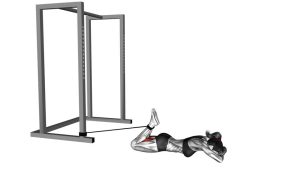
- Cable Ankle Straps — useful for cable hamstring curl alternatives.
- Resistance Bands for Legs — good for warm-ups, activation drills, and hamstring curl variations.
Tip: Choose equipment that lets you train with control. For this exercise, a secure dumbbell grip is more important than lifting heavy.