Rotational Push-Up (Chest Focus): Form, Sets & Reps, Tips, FAQs + Equipment
Master the Rotational Push-Up to build chest strength and core stability. Learn setup, step-by-step execution, sets & reps by goal, common mistakes, FAQs, and recommended equipment.
Rotational Push-Up
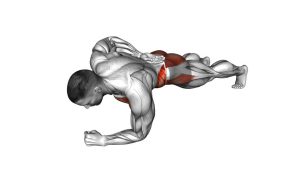
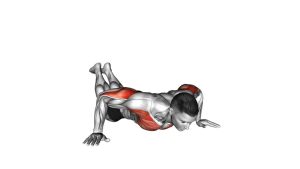
This variation is most effective when you treat it as two clean phases: a solid push-up, then a controlled rotation. Move with intent—your goal is chest drive on the way up and core control as you open. If the rotation feels unstable, widen your stance and reduce the amount of “open” until you can hold alignment.
Quick Overview
| Body Part | Chest |
|---|---|
| Primary Muscle | Pectoralis major (chest) |
| Secondary Muscle | Anterior deltoids, triceps, serratus anterior, obliques (anti-rotation + rotation control) |
| Equipment | None (optional: mat, push-up handles, sliders) |
| Difficulty | Intermediate (requires shoulder stability + trunk control) |
Sets & Reps (By Goal)
- Strength (chest + core): 3–5 sets × 4–8 reps/side (rest 90–150 sec)
- Hypertrophy (controlled volume): 3–4 sets × 6–12 reps/side (rest 60–90 sec)
- Endurance / conditioning: 2–4 sets × 10–16 reps total (alternate sides, rest 45–75 sec)
- Warm-up / skill practice: 2–3 sets × 3–6 reps/side (slow tempo, perfect form)
Progression rule: First improve stability (no hip sag, smooth rotation), then add reps. Increase difficulty by narrowing stance, adding a pause in the open position, or wearing a light vest.
Setup / Starting Position
- Hands: Place hands slightly wider than shoulder-width. Fingers spread, grip the floor.
- Feet: Set feet wider than a normal push-up for balance (you can narrow later).
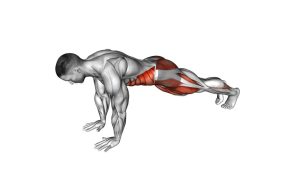
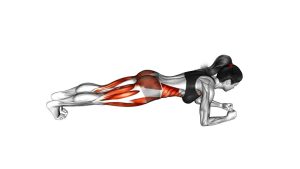
- Body line: Brace your core and glutes so you form a straight line from head to heels.
- Shoulders: Keep shoulders down and away from ears; think “push the floor away.”
- Neck: Neutral head position; eyes slightly forward/down.
Tip: If wrists are sensitive, use push-up handles or perform on fists to keep wrists neutral.
Execution (Step-by-Step)
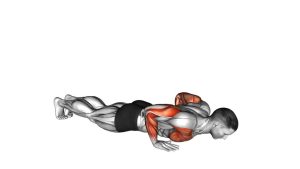
- Lower into a push-up: Bend elbows and lower your chest under control. Keep core tight and hips level.
- Press up strongly: Drive through your palms back to the top plank position.
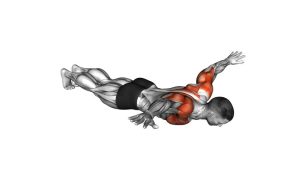
- Shift and rotate: Transfer weight to one hand, then rotate your torso as you lift the opposite hand.
- Open the chest: Reach the free arm up (or diagonally). Stack shoulders as you turn into a side-plank-like position.
- Return with control: Bring the hand back down, square your hips/shoulders, then repeat to the other side.
Pro Tips & Common Mistakes
- Widen your feet for balance: A wider base makes the rotation much cleaner.
- Don’t rush the open: Press up first, then rotate—avoid blending both into a messy rep.
- Avoid hip sag: Squeeze glutes and brace abs; keep ribs “down.”
- Don’t let the shoulder shrug: Keep the supporting shoulder away from the ear.
- Control elbow angle: Too flared can irritate shoulders; aim for a comfortable, stable path.
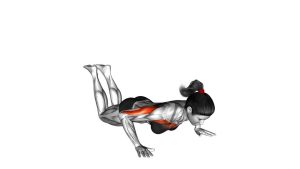
- Regress smart: Do the rotation from a high plank without the push-up, or do it on knees/incline.
FAQ
Where should I feel the rotational push-up most?
You should feel the chest during the press and the obliques + shoulder stabilizers during the rotation. If you feel strain in the front of the shoulder, reduce range, slow down, and ensure you’re not shrugging.
Is this more chest or more core?
It’s both. The push-up portion targets the chest, while the rotation increases core demand (especially obliques) and challenges shoulder stability. For pure chest growth, pair it with standard push-ups/pressing too.
How can I make it easier?
Use an incline (hands on a bench/box), do the push-up from knees, or remove the push-up and practice only the plank-to-rotation movement until it feels stable.
How can I make it harder?
Narrow your stance, add a 1–2 second pause in the open position, slow the eccentric (lowering) phase, or wear a light weight vest once your form is consistent.
Recommended Equipment (Optional)
- Push-Up Handles (Non-Slip) — reduces wrist extension and improves pressing comfort
- Rotating Push-Up Handles — helps some people rotate more smoothly (use control, not speed)
- Thick Exercise Mat — adds comfort for hands, knees (regressions), and floor work
- Core Sliders / Gliding Discs — great for warm-ups and core progressions (mountain climbers, saws, pikes)
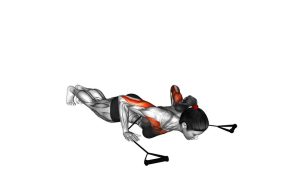
- Resistance Bands Set — useful for pairing with upper-back work (rows, pull-aparts) to support shoulder balance
Tip: Choose tools that improve comfort and control. If any item causes pain or makes your form worse, skip it and regress the movement.