Medicine Ball Plank Jack: Core Stability, Form, Sets, Tips & FAQ
Learn the Medicine Ball Plank Jack for core stability, shoulder control, and cardio conditioning with step-by-step form, sets, tips, FAQs, and gear.
Medicine Ball Plank Jack
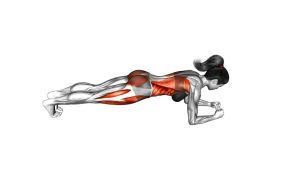
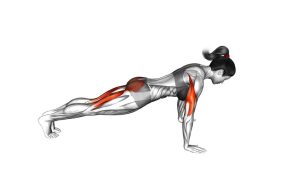
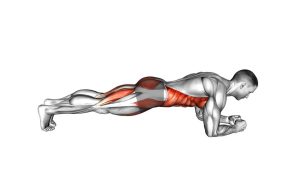
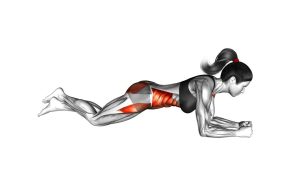
This exercise works best when the body stays long, strong, and quiet. Your hands should press firmly into the medicine ball, your shoulders should stay stacked, and your hips should avoid dropping or bouncing. The lower body moves quickly, but the torso should resist rotation, side-to-side shifting, and excessive movement.
Quick Overview
| Body Part | Core |
|---|---|
| Primary Muscle | Rectus abdominis, transverse abdominis, obliques |
| Secondary Muscle | Shoulders, chest, triceps, hip abductors, hip adductors, glutes, calves |
| Equipment | Medicine ball |
| Difficulty | Intermediate to advanced |
Sets & Reps (By Goal)
- Core stability: 3–4 sets × 8–12 controlled reps per set
- Conditioning: 3–5 rounds × 20–40 seconds of steady work
- Strength endurance: 3–4 sets × 12–20 total reps
- Finisher: 2–4 rounds × 30 seconds work / 30 seconds rest
- Beginner regression: 2–3 sets × 6–10 slow step-out reps instead of jumps
Progression rule: First improve plank control, then increase time, then increase speed. Do not make the reps faster if your hips drop, shoulders shake excessively, or the ball moves out of position.
Setup / Starting Position
- Place the medicine ball: Set the medicine ball on a flat, non-slippery surface.
- Set your hands: Place both hands firmly on top or slightly around the sides of the ball.
- Step back into plank: Extend both legs behind you until your body forms a straight line.
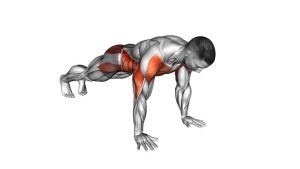
- Stack the shoulders: Keep your shoulders above your hands and your arms mostly straight.
- Brace the core: Tighten your abs and glutes before the feet begin to move.
- Start narrow: Begin with feet close together, toes on the floor, and hips level.
Setup checkpoint: You should be able to hold the starting plank for at least 15–20 seconds before adding the jack motion.
Execution (Step-by-Step)
- Lock in your plank: Press into the medicine ball and keep your body long from head to heels.
- Jump the feet out: Move both feet outward at the same time, similar to a jumping jack.
- Control the landing: Land softly on the toes while keeping the hips level.
- Keep the ball steady: Do not let the medicine ball roll forward, backward, or side to side.
- Jump the feet back in: Bring both feet back together under control.
- Repeat smoothly: Continue the out-and-in pattern while keeping the torso stable.
Pro Tips & Common Mistakes
- Brace before moving: Set your abs and glutes before each rep to protect the lower back.
- Keep shoulders stacked: Avoid shifting your body too far behind or in front of the medicine ball.
- Do not bounce the hips: The feet move, but the pelvis should stay controlled.
- Use soft landings: Land lightly on the toes instead of slamming the feet into the floor.
- Avoid rushing sloppy reps: Speed only counts when your plank position stays strong.
- Keep the neck neutral: Look slightly down, not forward, to avoid neck strain.
- Choose the right ball: A heavier, grippier medicine ball is usually more stable than a light, slippery one.
- Regress when needed: Step one foot out at a time if jumping causes loss of balance.
FAQ
What muscles does the Medicine Ball Plank Jack work?
It mainly targets the core muscles, including the rectus abdominis, transverse abdominis, and obliques. It also trains the shoulders, chest, triceps, glutes, hip abductors, hip adductors, and calves.
Is the Medicine Ball Plank Jack good for abs?
Yes. It is effective for abs because the core must stay braced while the legs move dynamically. The medicine ball also adds instability, which increases the demand on anti-rotation and shoulder control.
Is this exercise beginner-friendly?
It is usually better for intermediate trainees because the medicine ball makes the plank less stable. Beginners should first master a regular plank, then regular plank jacks, then step-out plank jacks on the ball.
Why do my hips bounce during plank jacks?
Hip bouncing usually means the reps are too fast, the core is not braced enough, or fatigue is setting in. Slow the movement down, shorten the foot jump, or use step-outs until your control improves.
Can I do this without a medicine ball?
Yes. You can perform regular plank jacks with your hands on the floor. This version is more stable and is the best option if the medicine ball feels unsafe or too advanced.
How can I make the Medicine Ball Plank Jack harder?
You can increase the working time, add more rounds, use a slower controlled tempo, or pair it with mountain climbers, push-ups, or medicine ball plank holds. Only progress when your form stays clean.
Recommended Equipment
- Medicine Ball — the main tool for this exercise and useful for core, power, and conditioning drills
- Non-Slip Exercise Mat — helps keep the feet and ball area more controlled during dynamic plank work
- HIIT Training Shoes — provide traction and support for repeated foot jumps
- Workout Wrist Wraps — optional support for trainees who feel wrist fatigue during plank variations
- Core Sliders — useful for lower-impact plank jack regressions and controlled core variations
Tip: Choose equipment that improves control, not instability for its own sake. If the medicine ball rolls too much, use a heavier ball, place it on a grippy surface, or return to floor-based plank jacks.