Lever One-Leg Extension: Single-Leg Quad Form, Sets, Tips & FAQ
Learn the Lever One-Leg Extension for single-leg quad strength, knee control, and muscle balance with setup, form cues, sets, tips, FAQs, and equipment.
Lever One-Leg Extension
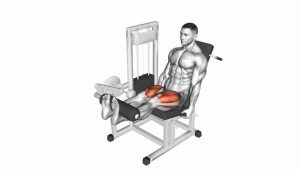
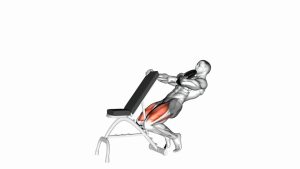
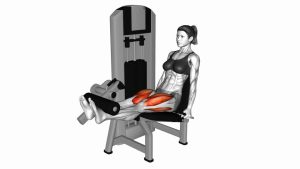
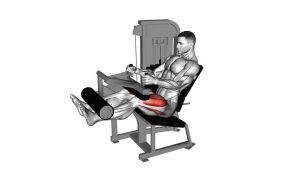
This exercise works best when performed with a controlled tempo rather than a fast kicking motion. Because only one leg is working, the quadriceps must produce force without help from the opposite side. Keep your hips pressed into the seat, your back against the pad, and your working shin firmly behind the roller. A clean repetition should feel like a smooth quad squeeze, not a joint snap or a swing from momentum.
Quick Overview
| Body Part | Quads |
|---|---|
| Primary Muscle | Quadriceps — rectus femoris, vastus lateralis, vastus medialis, and vastus intermedius |
| Secondary Muscle | Hip flexors and core stabilizers assist lightly by helping maintain seated posture |
| Equipment | Leg extension machine / lever leg extension machine |
| Difficulty | Beginner to Intermediate |
Sets & Reps (By Goal)
- Muscle growth: 3–4 sets × 10–15 reps per leg with a 1-second squeeze at the top.
- Strength control: 3–5 sets × 6–10 reps per leg using a slower eccentric and heavier but manageable load.
- Muscle imbalance correction: 2–4 sets × 10–12 reps per leg, starting with the weaker side first.
- Warm-up activation: 1–3 sets × 12–20 light reps per leg before squats, lunges, or leg presses.
- Rehab-style control: 2–3 sets × 8–12 slow reps with light resistance and no painful range.
Progression rule: Add reps first, then add small weight increases. Keep the same range of motion and tempo on both legs before increasing load.
Setup / Starting Position
- Adjust the seat: Sit with your back supported and your knee aligned close to the machine’s pivot point.
- Set the roller pad: Place the lower shin or ankle area behind the pad. The pad should not press directly into the knee.
- Choose one working leg: Keep the non-working leg relaxed and out of the way so it does not help the movement.
- Grip the handles: Hold the side handles to keep your hips and torso stable during the lift.
- Brace lightly: Keep your ribs down, back against the pad, and hips fixed to the seat.
- Start from a bent-knee position: Begin with the knee comfortably flexed, usually around 90 degrees or slightly less depending on the machine.
Setup accuracy matters. If your knee is too far forward or too far behind the machine pivot, the movement may feel awkward and place unnecessary stress on the joint.
Execution (Step-by-Step)
- Start under control: Keep the working leg relaxed at the bottom without bouncing the weight stack.
- Extend the knee: Drive the shin upward by contracting the quadriceps, not by kicking or swinging.
- Keep the hip still: Do not lift your hips off the seat or lean back to help the rep.
- Reach the top position: Extend until the leg is nearly straight, but avoid a harsh knee lockout.
- Squeeze the quadriceps: Pause briefly at the top and focus on tightening the front thigh.
- Lower slowly: Return the weight with control until the knee is bent again and the quad is stretched.
- Repeat evenly: Complete all reps on one leg, then switch sides and match the same form, tempo, and range.
Pro Tips & Common Mistakes
Pro Tips
- Lead with the quad: Think about lifting from the front thigh instead of throwing the foot upward.
- Pause at the top: A short squeeze improves mind-muscle connection and makes lighter weights more effective.
- Use equal reps: Match the weaker leg first, then repeat the same number on the stronger leg.
- Control the lowering phase: Lower for 2–3 seconds to keep tension on the quadriceps.
- Keep toes neutral: Avoid excessive foot rotation unless you are intentionally using a variation and can control it safely.
Common Mistakes
- Using too much weight: Heavy loads often cause swinging, hip lifting, and reduced quad tension.
- Snapping into lockout: Hard knee locking can irritate the joint and reduce control.
- Letting the weight stack slam: Dropping the weight removes tension and increases machine impact.
- Changing range between legs: Uneven range makes it harder to correct imbalances.
- Leaning back excessively: Keep posture stable so the quadriceps remain the main driver.
FAQ
What muscles does the Lever One-Leg Extension work?
The Lever One-Leg Extension primarily works the quadriceps, including the rectus femoris, vastus lateralis, vastus medialis, and vastus intermedius. Because it is performed one leg at a time, it is also useful for improving side-to-side strength balance.
Is the one-leg extension better than the regular leg extension?
It is not always better, but it is more specific for correcting imbalances. A regular two-leg extension allows heavier total loading, while the one-leg version helps you notice and fix differences between legs.
Should I lock my knee at the top?
You should reach near full extension, but avoid snapping or forcing the knee into a hard lockout. Stop just short of aggressive lockout, squeeze the quad, then lower with control.
Is this exercise good for building bigger quads?
Yes. It is an effective quad isolation exercise when performed with enough control, range of motion, and progressive overload. It works well after compound lifts like squats, lunges, and leg presses.
Can beginners do the Lever One-Leg Extension?
Yes. Beginners can use this exercise if the machine is adjusted correctly and the load is light enough. Start with slow reps, clean control, and a comfortable range of motion.
Why does one leg feel weaker on this exercise?
Strength differences are common. Start each set with the weaker leg and match the same reps with the stronger leg. Over time, this can help improve balance between sides.
Recommended Equipment
- Leg Extension Machine — the main machine used for seated knee extension and quad isolation training
- Adjustable Ankle Weights — useful for light home-based quad extensions and controlled rehab-style work
- Resistance Bands with Ankle Straps — helpful for banded knee extensions when a machine is not available
- Weightlifting Knee Sleeves — provide warmth and light support during quad-focused leg training
- Foam Roller for Legs — useful for warming up the thighs and improving recovery after leg sessions
Tip: Equipment should support better control, not force heavier loading. Prioritize smooth reps, equal range, and pain-free knee motion.