Dumbbell Rear Lunge from Step: Form, Muscles, Sets, Tips & FAQ
Learn the Dumbbell Rear Lunge from Step for glutes, quads, balance, and leg strength. Includes setup, steps, sets, mistakes, FAQs, and equipment.
Dumbbell Rear Lunge from Step
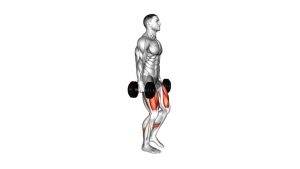
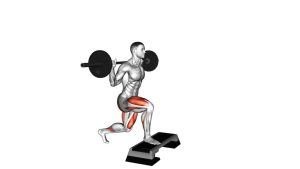
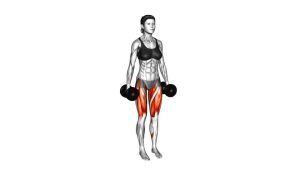
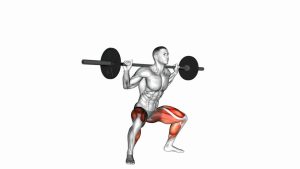
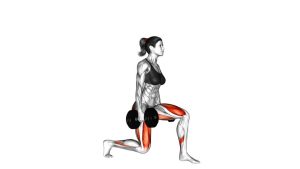
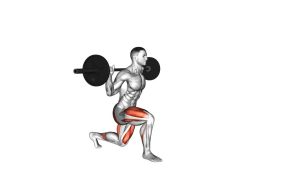
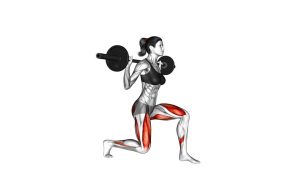
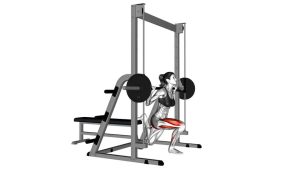
This exercise is excellent for building single-leg strength, improving balance, and increasing glute and quad involvement. The elevated position allows the rear knee to travel lower than in a standard reverse lunge, which can increase the training demand on the front leg. The goal is not to rush the step back. The goal is to stay controlled, lower with balance, and push through the front foot to return to the starting position.
Quick Overview
| Body Part | Legs |
|---|---|
| Primary Muscle | Glutes and quadriceps |
| Secondary Muscle | Hamstrings, adductors, calves, and core stabilizers |
| Equipment | Dumbbells and a stable step, box, or platform |
| Difficulty | Intermediate because the elevated setup increases balance demand and range of motion |
Sets & Reps (By Goal)
- Strength: 3–5 sets × 5–8 reps per leg with heavier dumbbells and 90–150 sec rest.
- Muscle growth: 3–4 sets × 8–12 reps per leg with controlled tempo and 60–90 sec rest.
- Balance and control: 2–4 sets × 8–10 reps per leg using lighter dumbbells and slower reps.
- Conditioning: 2–3 sets × 12–15 reps per leg with moderate load and shorter rest periods.
Progression rule: First improve depth, balance, and clean knee tracking. Then add reps. Once the movement stays stable, increase dumbbell weight gradually.
Setup / Starting Position
- Choose a stable platform: Use a step or low box that is wide enough for your front foot and does not move.
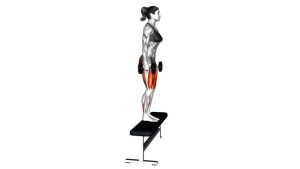
- Stand tall on the step: Place both feet hip-width apart and keep your weight evenly controlled.
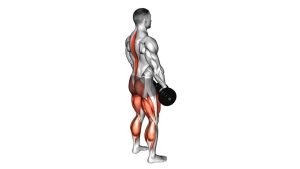
- Hold the dumbbells: Let the dumbbells hang at your sides with a neutral grip and relaxed shoulders.
- Brace your core: Keep your ribs stacked over your pelvis and avoid arching your lower back.
- Set your gaze: Look forward or slightly downward to help maintain balance.
Tip: If the step feels too high, use a lower platform. A smaller elevation makes the movement easier to control.
Execution (Step-by-Step)
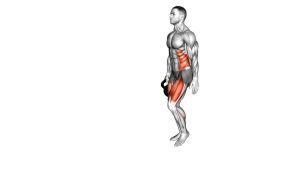
- Start from the step: Stand tall with both feet on the platform and dumbbells hanging naturally at your sides.
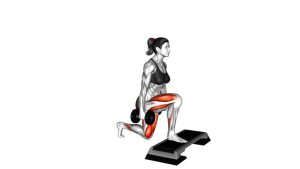
- Step one leg backward: Move one foot off the step and reach it behind you toward the floor.
- Lower under control: Bend the front knee and hip while the rear knee travels down toward the ground.
- Keep the front foot planted: Maintain full contact through the front foot, especially the heel and midfoot.
- Pause near the bottom: Stop when you reach a strong but controlled depth without losing balance.
- Drive through the front leg: Push through the front foot to extend the hip and knee.
- Return to the step: Bring the rear foot back onto the platform and reset before the next rep.
Pro Tips & Common Mistakes
- Control the descent: Do not drop quickly from the step. Lower with tension and balance.
- Keep the front knee aligned: The front knee should track in the same direction as the toes.
- Do not overstep backward: A very long step can reduce control and shift tension away from the target leg.
- Stay tall through the torso: A slight hip hinge is fine, but avoid rounding your back.
- Use the rear leg lightly: The rear foot is mainly for balance, not for launching the body upward.
- Choose the right step height: Too much elevation can cause unstable depth and poor knee control.
- Reset each rep: Regain balance on the platform before performing the next repetition.
FAQ
What muscles does the Dumbbell Rear Lunge from Step work?
It mainly works the glutes and quadriceps. It also trains the hamstrings, adductors, calves, and core because the body must stabilize on one leg while controlling the elevated range of motion.
Is this different from a regular dumbbell reverse lunge?
Yes. The step increases the range of motion, which usually makes the exercise more demanding. The front leg must control a deeper descent and produce more force to return to the top position.
Should I feel this more in my glutes or quads?
You may feel both. A slightly longer step and controlled hip bend can increase glute emphasis. A more upright torso and greater knee bend can increase quad emphasis. In both cases, the front leg should remain the main working leg.
How high should the step be?
Start with a low to moderate step. The height should allow a deeper lunge without losing balance, twisting the hips, or letting the front knee collapse inward.
Is this exercise beginner-friendly?
It is usually better for intermediate trainees because the elevated setup requires balance and control. Beginners can start with a regular reverse lunge or bodyweight elevated reverse lunge before adding dumbbells.
Recommended Equipment
- Adjustable Dumbbells — useful for progressing load without needing many separate dumbbell pairs
- Rubber Hex Dumbbells — stable, durable option for lower-body strength exercises
- Aerobic Step Platform — adjustable platform for elevated reverse lunges and step-based leg training
- Non-Slip Exercise Mat — improves floor grip and helps keep the training area stable
- Weightlifting Shoes — provides a firm base for better balance and controlled leg drive
Tip: For this exercise, stability matters more than maximum load. Choose equipment that helps you keep the front foot planted and the step secure.