PVC Overhead Squat: Proper Form, Muscles & Mobility
Master the PVC Overhead Squat with proper form, mobility cues, muscles worked, sets by goal, common mistakes, and beginner-friendly tips for safer training.
PVC Overhead Squat
The PVC Overhead Squat is commonly used to practice the movement requirements of overhead squatting. Because the PVC pipe provides very little resistance, the exercise emphasizes mobility, coordination, and postural stability rather than heavy loading.
In addition, this movement challenges several joints simultaneously. The ankles must accommodate forward knee movement, while the hips allow the body to descend. Meanwhile, the upper back and shoulders support the overhead position.
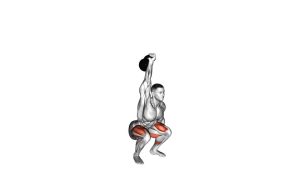
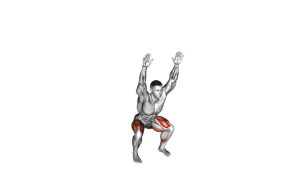
The demonstrated movement involves rising from a deep squat, reaching an upright standing position, and lowering again. Throughout these phases, the arms remain extended overhead. As a result, the drill provides an opportunity to practice coordinated lower-body movement and overhead control.
Quick Overview
| Body Part | Legs |
|---|---|
| Primary Muscle | Quadriceps and gluteus maximus |
| Secondary Muscle | Hip adductors, hamstrings, calves, spinal erectors, abdominal stabilizers, deltoids, trapezius, and serratus anterior |
| Equipment | Lightweight PVC pipe or straight training stick; optional mobility accessories |
| Difficulty | Intermediate — requires coordinated squat mechanics, sufficient overhead mobility, and trunk stability |
Sets & Reps (By Goal)
Recommended Training Volume
- Beginner technique practice: 2–3 sets × 5–8 controlled reps, resting 45–60 seconds between sets.
- Squat mobility: 2–3 sets × 5–6 reps with a comfortable 2–3-second pause near the bottom position.
- Overhead stability: 3 sets × 6–8 reps while maintaining extended elbows and stable shoulder positioning.
- Warm-up and movement preparation: 1–2 sets × 6–10 smooth reps before appropriate lower-body or overhead training.
- Muscular endurance and coordination: 2–3 sets × 8–12 reps at a controlled tempo, without sacrificing technique.
Tempo and Progression
Begin with a controlled descent lasting approximately 2–3 seconds. Next, pause briefly at a comfortable depth before standing smoothly. Throughout the set, maintain steady breathing and an organized overhead position.
Progression rule: First improve movement quality and comfortable squat depth. Then gradually increase repetitions or bottom-position control. However, avoid adding significant resistance until the overhead position and squat mechanics remain reliable.
Training note: The PVC Overhead Squat is primarily a technique and mobility drill. Consequently, it should not replace appropriately loaded strength exercises when maximal strength or muscle growth is the main objective.
Setup / Starting Position
Foot Placement and Overhead Grip
- Choose a suitable training area: Stand on a firm, level, non-slip surface with sufficient overhead clearance. Also, ensure that the PVC pipe is undamaged and comfortable to grip.
- Establish your stance: Position both feet approximately shoulder-width apart or slightly wider. Then turn the toes outward as needed for comfortable hip and knee movement.
- Grip the PVC pipe: Hold the pipe with both hands using a wide, symmetrical overhand grip. Choose a width that allows comfortable overhead positioning without forcing the shoulder joints.
- Raise the pipe overhead: Extend both arms until the elbows are straight. Next, position the pipe above the shoulders while keeping the upper back actively engaged.
- Organize your torso: Maintain a comfortable neutral spinal position. Meanwhile, gently brace the abdomen and avoid excessive lower-back arching.
- Prepare your lower body: Distribute pressure across the heel, base of the big toe, and base of the little toe. As a result, the feet create a stable foundation for squatting.
- Set your gaze and breathing: Look forward with the head comfortably aligned over the torso. Finally, take a controlled breath before beginning the descent.
Pre-Movement Position Check
Before squatting, confirm that both elbows remain extended and the pipe feels balanced overhead. Additionally, the shoulders should remain active without excessive neck tension or uncomfortable joint compression.
If the overhead position requires pronounced lower-back arching, adjust the grip width or reduce the movement difficulty. For example, practice unloaded shoulder mobility before attempting a deeper squat.
Setup tip: A lightweight PVC pipe is useful because it allows technique practice without adding substantial external resistance. Therefore, focus on alignment before increasing squat depth.
Execution (Step-by-Step)
Controlled Squat Descent
- Establish the overhead position: Stand upright with both knees and hips extended. Keep the PVC pipe overhead, the elbows straight, and the abdominal muscles gently braced.
- Initiate the squat: Begin bending the hips and knees together. As you descend, allow the knees to travel forward naturally while the hips move downward between the legs.
- Maintain knee alignment: Guide each knee in approximately the same direction as its corresponding toes. Meanwhile, avoid allowing the knees to collapse inward uncontrollably.
- Keep the feet grounded: Maintain balanced pressure across both feet. In particular, avoid deliberately lifting the heels or shifting excessively onto the toes.
- Stabilize the PVC pipe: Continue holding the pipe overhead with extended elbows. At the same time, keep the shoulders active and avoid excessive movement of the pipe.
- Lower to a comfortable depth: Continue descending while maintaining control. If mobility permits, the hips may travel below knee level. However, stop earlier if deeper movement causes pain or loss of positioning.
- Control the bottom position: Pause briefly without bouncing or relaxing your trunk. During the pause, maintain stable feet, active shoulders, and a comfortable spinal position.
- Begin the upward movement: Push evenly through both feet and start extending the knees and hips. As a result, the pelvis rises while the torso remains coordinated with the lower body.
- Return to standing: Continue extending the legs until reaching an upright position. Meanwhile, keep the PVC pipe overhead rather than lowering it toward the shoulders.
- Complete and reset: Finish with the hips and knees comfortably extended. Finally, restore steady breathing and repeat the movement using the same controlled technique.
Overhead Alignment and Squat Depth
Throughout each repetition, aim to keep the pipe balanced approximately above the middle of the feet. Consequently, the shoulders, trunk, and legs must coordinate as the body changes height.
Some forward torso inclination is natural during squatting. However, excessive forward collapse can make the overhead position difficult to maintain. Therefore, choose a depth that allows the pipe and torso to remain controlled.
Pro Tips & Common Mistakes
Pro Tips for Better Technique
- Prioritize mobility before depth: Begin with a comfortable squat range. Then increase depth gradually as ankle, hip, and overhead control improve.
- Maintain an active overhead position: Keep the elbows extended and the shoulders engaged. However, avoid forcing the arms behind the head or creating excessive lower-back extension.
- Use balanced foot pressure: Keep the heel and forefoot grounded throughout the squat. As a result, the lower body can produce a more stable movement.
- Control your breathing: Breathe naturally during the movement. For example, inhale before descending and exhale gradually during the upward phase.
- Practice thoracic mobility: Limited upper-back extension may make overhead positioning more difficult. Therefore, gentle thoracic mobility drills can support preparation.
- Use a consistent tempo: Lower slowly instead of dropping into the bottom position. Similarly, rise smoothly without bouncing or jerking the pipe.
- Keep your movement symmetrical: Apply balanced pressure through both legs. Meanwhile, observe whether one knee, hip, or shoulder moves differently from the other.
Common Mistakes to Avoid
- Excessive forward torso lean: Leaning too far forward can disrupt the overhead position. Instead, reduce depth and practice keeping the trunk organized.
- Allowing the pipe to drift forward: When the arms move excessively forward, shoulder stability becomes more difficult. Therefore, maintain an active overhead position within a comfortable range.
- Lifting the heels: Restricted ankle mobility or uncontrolled weight distribution may cause heel elevation. Consequently, the athlete may lose balance or compensate through other joints.
- Allowing uncontrolled knee collapse: Excessive inward knee movement can reduce lower-body control. Instead, guide the knees along the direction of the toes.
- Overarching the lower back: Some athletes compensate for limited shoulder mobility by excessively extending the lumbar spine. However, this does not replace proper overhead mobility.
- Forcing maximum squat depth: A deeper squat is not automatically better. Instead, use the deepest comfortable position that allows stable feet and controlled movement.
- Rushing through repetitions: Fast, uncontrolled movement can conceal coordination problems. Therefore, use deliberate repetitions that emphasize consistent technique.
Coaching tip: Record the movement from both the front and side when possible. This can help identify changes in knee tracking, torso inclination, and overhead positioning. However, video alone cannot diagnose the cause of a mobility restriction.
FAQ
Muscles and Exercise Technique
What muscles does the PVC Overhead Squat work?
The PVC Overhead Squat primarily involves the quadriceps and gluteus maximus during the squatting movement. Additionally, the hip adductors, calves, and other lower-body muscles assist with control.
Meanwhile, the deltoids, trapezius, serratus anterior, spinal erectors, and abdominal stabilizers help maintain the overhead position. However, because the PVC pipe is very light, the exercise mainly emphasizes mobility and movement coordination.
Is the PVC Overhead Squat suitable for beginners?
Yes, beginners can practice a modified version using a lightweight PVC pipe. However, the full movement requires adequate ankle, hip, shoulder, and upper-back mobility.
Therefore, beginners should start with a shallow or partial squat when necessary. As coordination improves, they can gradually explore greater depth without sacrificing stability.
Why is it difficult to keep the PVC pipe overhead?
Difficulty maintaining the overhead position may involve limited shoulder mobility, restricted thoracic extension, or insufficient trunk control. Additionally, squat mechanics can influence the position of the pipe.
For example, excessive forward torso inclination may require additional shoulder compensation. Therefore, practice comfortable overhead positioning separately before combining it with deeper squats.
Should my hips go below my knees?
Deep squatting is appropriate when sufficient mobility and control are available. However, not everyone can comfortably reach the same depth while holding a pipe overhead.
Instead of forcing the hips below knee level, prioritize stable feet, comfortable joint alignment, and controlled overhead positioning. As these qualities improve, deeper movement may become more accessible.
Mobility, Progression, and Training Safety
Can PVC Overhead Squats improve mobility?
The movement can help practice available mobility through the ankles, hips, shoulders, and upper back. Additionally, repeated controlled practice can improve coordination within these positions.
However, improvements depend on individual limitations and training consistency. Therefore, targeted mobility exercises may also be useful when specific restrictions prevent comfortable movement.
How often should I practice PVC Overhead Squats?
Many healthy individuals can use this exercise several times per week as part of a warm-up or movement practice routine. For example, start with 1–3 sets of controlled repetitions.
Nevertheless, training frequency should reflect individual recovery and comfort. If repeated practice causes persistent soreness or discomfort, reduce the volume and reassess technique.
Why do my heels lift during the squat?
Heel elevation may result from restricted ankle dorsiflexion, stance selection, or changes in balance. Additionally, excessive forward weight shifting can contribute to the problem.
Therefore, experiment with a comfortable stance and reduce squat depth initially. Targeted ankle mobility drills may also help when dorsiflexion is a limiting factor.
Can I replace the PVC pipe with a weighted barbell?
A barbell overhead squat uses a similar general movement pattern. However, adding substantial weight increases the demands on shoulder stability, trunk control, and overall strength.
Therefore, consistently demonstrate controlled PVC repetitions before progressing to a barbell. Begin with an appropriately light training bar and seek qualified coaching when necessary.
Is the PVC Overhead Squat useful before weightlifting?
Yes, it can serve as a movement preparation drill before appropriate squat or Olympic weightlifting sessions. In particular, it allows athletes to rehearse overhead stability and squat coordination.
Nevertheless, the exercise should complement, rather than replace, a suitable warm-up. Additionally, athletes should progressively prepare for heavier loads when required.
Who should be cautious when performing this exercise?
Individuals experiencing significant shoulder, knee, hip, ankle, or lower-back pain should avoid forcing the movement. Similarly, those recovering from injuries may require individualized exercise modifications.
Therefore, seek guidance from a qualified healthcare or rehabilitation professional when symptoms or medical restrictions are present. Exercise should remain controlled and comfortable.
Recommended Equipment
- PVC Exercise Training Stick — the primary lightweight tool for practicing overhead squat positioning, coordination, and technique without substantial external load
- High-Density Foam Roller — useful for gentle upper-back mobility exercises and preparing the thoracic region for overhead movement
- Squat Wedge Blocks — optional stable heel-elevation tools that can make upright squat practice more accessible when ankle dorsiflexion is limited
- Mini Resistance Loop Bands — useful for supplementary glute activation, lateral walking drills, and controlled hip-strengthening warm-up exercises
- High-Density Yoga Blocks — useful as adjustable depth references or supports during separate mobility exercises and squat preparation drills
Equipment tip: Begin with a lightweight, comfortable training stick. Additionally, select mobility accessories according to your individual movement limitations. Remember that supportive equipment does not replace proper technique, appropriate progression, or comfortable joint positioning.