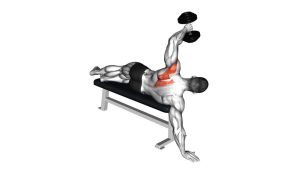
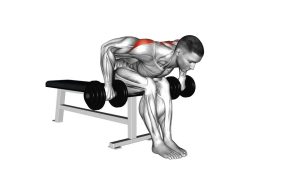
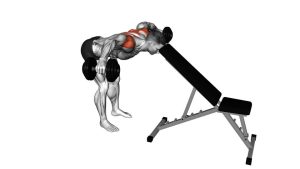
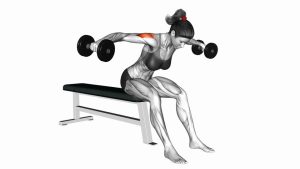
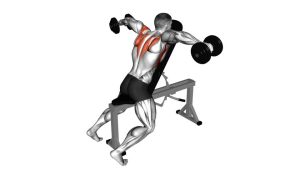
Dumbbell Lying on Floor Rear Delt Raise: Form, Sets, Tips & FAQ
Learn how to perform the Dumbbell Lying on Floor Rear Delt Raise with strict form to target the rear delts. Includes setup, execution, sets and reps by goal, common mistakes, FAQ, and recommended equipment.
Dumbbell Lying on Floor Rear Delt Raise
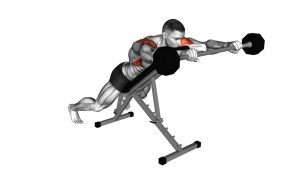
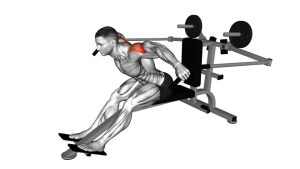
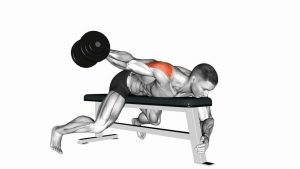
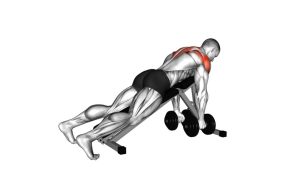
This exercise works best with light-to-moderate dumbbells, a smooth tempo, and clean shoulder mechanics. The floor shortens the chance to cheat with body English, making it easier to improve mind-muscle connection in the posterior delts. You should feel the effort mostly in the rear shoulders, with some assistance from the mid upper back.
Quick Overview
| Body Part | Rear Shoulders |
|---|---|
| Primary Muscle | Rear deltoids (posterior delts) |
| Secondary Muscle | Rhomboids, middle traps, rotator cuff stabilizers |
| Equipment | Dumbbells, floor space, optional exercise mat |
| Difficulty | Beginner to Intermediate |
Sets & Reps (By Goal)
- Muscle building: 3–4 sets × 10–15 reps with controlled tempo, 60–90 sec rest
- Shoulder definition / lighter isolation work: 2–4 sets × 12–20 reps, 45–75 sec rest
- Warm-up / activation: 2–3 sets × 12–15 reps using light dumbbells, 30–45 sec rest
- Technique practice: 2–3 sets × 8–12 reps with very strict form and a pause at the top
Progression rule: Add reps before adding load. Rear-delt work responds well to strict execution, moderate volume, and consistent control rather than heavy swinging.
Setup / Starting Position
- Lie face down: Get into a prone position on the floor. Use a mat if needed for comfort.
- Hold a dumbbell in each hand: Let the arms hang naturally down toward the floor with a slight bend in the elbows.
- Set your upper body: Keep the chest grounded, core lightly braced, and neck neutral.
- Pack the shoulders: Keep them down and away from the ears rather than shrugging up.
- Start light: Choose a weight you can raise without momentum or trap dominance.
Tip: Because the floor removes most body swing, even light dumbbells can feel challenging when the form is strict.
Execution (Step-by-Step)
- Begin from the bottom: Let the dumbbells hang under the shoulders with the elbows softly bent.
- Raise the arms out wide: Lift the dumbbells in a wide arc to the sides, leading with the elbows.
- Stop around shoulder level: Bring the arms up until they form a wide “T” shape or as high as you can control without shrugging.
- Pause briefly: Squeeze the rear delts for 1 second at the top without bouncing.
- Lower slowly: Return the dumbbells under control to the starting position and reset before the next rep.
Pro Tips & Common Mistakes
- Use lighter dumbbells than you think: Rear delts are small muscles and strict form matters more than load.
- Lead with the elbows: This helps keep tension on the rear delts instead of the hands just swinging upward.
- Keep a soft elbow bend: Don’t lock out the arms or turn it into a straight-arm heave.
- Avoid shrugging: If your upper traps dominate, pull the shoulders down and reduce the range slightly.
- Don’t rush the lowering phase: The eccentric helps build control and shoulder stability.
- Keep the neck neutral: Don’t crank the chin up to watch the movement.
- Stay honest with range: Raise only as high as you can while keeping clean rear-delt tension.
FAQ
What muscles does the Dumbbell Lying on Floor Rear Delt Raise work?
It mainly targets the rear deltoids. The rhomboids, middle traps, and smaller shoulder stabilizers also assist.
Why do this rear delt raise on the floor instead of standing?
The floor reduces momentum and makes the movement stricter. That helps improve isolation and makes it harder to cheat with the torso.
How heavy should the dumbbells be?
Start light enough to keep the reps smooth and controlled. If you have to swing or shrug to finish the set, the weight is too heavy.
Should I feel this more in my traps or my rear delts?
You should feel the main tension in the rear delts. Some upper-back involvement is normal, but heavy trap dominance usually means the weight is too heavy or your shoulders are shrugging.
Can beginners use this exercise?
Yes. It is a great beginner-friendly rear-delt variation because the floor setup naturally encourages stricter form and less momentum.
Recommended Equipment
- Neoprene Dumbbell Set — ideal for beginners and lighter rear-delt isolation work
- Adjustable Dumbbells — useful for progressing load without buying multiple fixed pairs
- Exercise Mat — improves comfort during prone floor-based shoulder work
- Thick Workout Mat — a good option if you want extra padding for chest, hips, and knees
- Beginner Dumbbell Set — convenient for home training and shoulder accessory sessions
Choose dumbbells that let you keep the movement strict. For this exercise, clean execution usually matters more than lifting heavy.