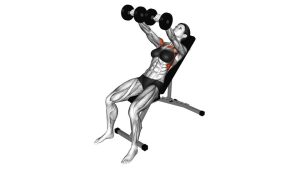
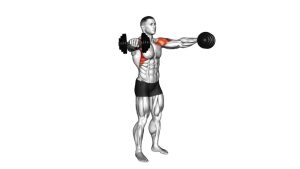
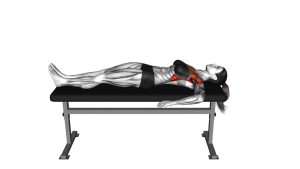
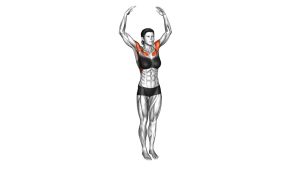
Shoulder Flexion: Proper Form, Muscles Worked, Sets, Tips & FAQ
Learn how to perform shoulder flexion with proper form to target the anterior deltoid and improve shoulder control. Includes setup, execution, sets and reps by goal, common mistakes, FAQs, and recommended equipment.
Shoulder Flexion
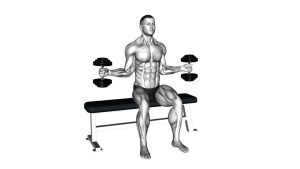
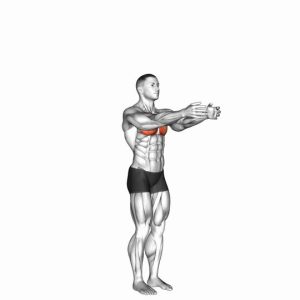
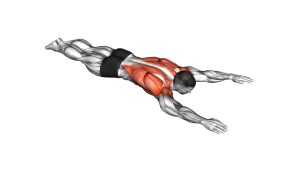
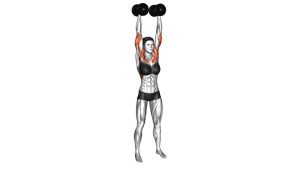
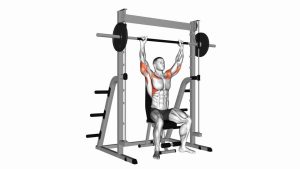
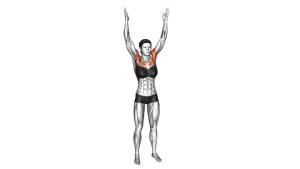
Shoulder flexion can be trained as a mobility drill, activation exercise, rehab-style control pattern, or strength-building movement depending on the load you use. It is especially useful for teaching the body how to lift the arm with control while keeping the torso stable and the shoulder joint centered. Whether you perform it unloaded or with light resistance, quality matters more than range forced by momentum.
Quick Overview
| Body Part | Front Shoulders |
|---|---|
| Primary Muscle | Anterior deltoid |
| Secondary Muscle | Clavicular head of pectoralis major, coracobrachialis, biceps long head, rotator cuff stabilizers |
| Equipment | None, resistance band, cable, plate, or dumbbell depending on variation |
| Difficulty | Beginner to Intermediate depending on load and range |
Sets & Reps (By Goal)
- Mobility / motor control: 2–3 sets × 8–12 reps per arm with slow tempo and light effort
- Muscle activation / warm-up: 2–4 sets × 10–15 reps using bodyweight, bands, or very light resistance
- Hypertrophy / front delt focus: 3–4 sets × 8–15 reps with controlled resistance and strict form
- Rehab-style shoulder control: 2–3 sets × 6–10 reps with a pain-free range and smooth motion
Progression rule: Increase range quality first, then reps, then resistance. Do not add load if you need to swing, shrug, or arch your lower back to finish the rep.
Setup / Starting Position
- Stand tall: Keep your feet about hip-width apart with your ribs stacked over your pelvis.
- Brace lightly: Engage your core just enough to prevent your torso from leaning backward.
- Set the shoulder: Let the shoulder stay relaxed and stable—avoid shrugging up toward the ear.
- Start with the arm down: Position the working arm by your side with a slight natural bend in the elbow.
- Choose your load: Use no load, a resistance band, a cable handle, a weight plate, or a dumbbell depending on the goal.
Tip: If you are learning the pattern, start unweighted or with very light resistance so you can focus on clean movement.
Execution (Step-by-Step)
- Begin from neutral: Start with the arm resting by your side and the palm in a comfortable position.
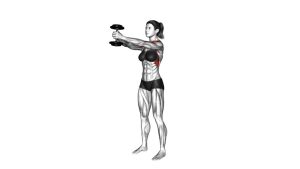
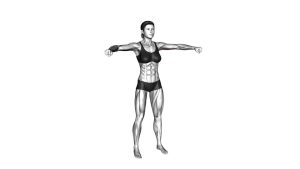
- Raise the arm forward: Lift the arm in front of the body in a smooth arc without swinging.
- Keep posture stable: Do not lean back, flare the ribs, or twist the torso to gain extra range.
- Reach a controlled top position: Stop at shoulder height or higher only if you can maintain control and stay pain-free.
- Lower slowly: Return the arm to the starting position under control instead of letting gravity drop it.
- Repeat smoothly: Each rep should look the same with steady speed and relaxed shoulders.
Pro Tips & Common Mistakes
- Lead with control, not momentum: A strict rep targets the front delts better than a swinging rep.
- Keep the ribs down: Excessive back arching turns shoulder flexion into a torso compensation pattern.
- Do not shrug: Let the deltoid lift the arm without excessive upper trap dominance.
- Use a manageable range: Stop where you can still control the shoulder and keep the arm path clean.
- Lower with intent: The eccentric phase helps reinforce control and builds better shoulder stability.
- Start lighter than you think: The anterior deltoid responds well to strict moderate reps without heavy cheating.
FAQ
What muscles does shoulder flexion work?
Shoulder flexion primarily targets the anterior deltoid. It also involves the upper chest, coracobrachialis, and shoulder stabilizers that help guide the arm smoothly.
Is shoulder flexion the same as a front raise?
A front raise is one loaded training variation of shoulder flexion. Shoulder flexion refers to the movement pattern itself, whether performed with bodyweight, bands, cables, dumbbells, or rehab tools.
How high should I raise my arm?
Raise the arm through a range you can control without pain, shrugging, or leaning backward. For some people that is around shoulder height; for others it may be higher if mobility and control are good.
Should I train shoulder flexion if I already do overhead presses?
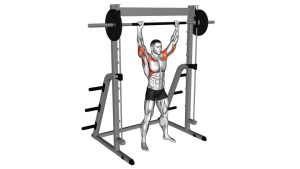
It depends on your goal. Pressing already trains the front delts, but shoulder flexion can still be useful for technique work, lighter isolation training, rehab-style control, or improving arm-lifting mechanics.
What should I avoid during shoulder flexion?
Avoid swinging the weight, shrugging the shoulder, forcing painful overhead range, and leaning your torso backward to finish the rep. These compensations reduce quality and may irritate the shoulder.
Recommended Equipment (Optional)
- Adjustable Dumbbells — versatile for front raises and progressive shoulder-strength work
- Resistance Bands Set — useful for lighter shoulder flexion drills, warm-ups, and home training
- Shoulder Pulley for Physical Therapy — helpful for gentle range-of-motion and rehab-style shoulder flexion practice
- Figure-8 Resistance Bands with Handles — convenient for controlled front-shoulder and upper-body training
- Posture Corrector Brace — optional awareness tool to support better upper-body positioning during daily posture work
These suggestions match common current Amazon listing categories for shoulder training and rehab tools, including adjustable dumbbells, resistance bands, and shoulder pulleys.