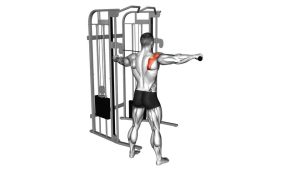
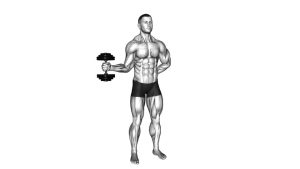
Dumbbell One-Arm Reverse Fly (With Support): Form, Muscles Worked, Sets & Tips
Learn the Dumbbell One-Arm Reverse Fly (With Support) for rear delt isolation, shoulder balance, and upper-back control. Includes step-by-step form, sets by goal, common mistakes, FAQs, and recommended equipment.
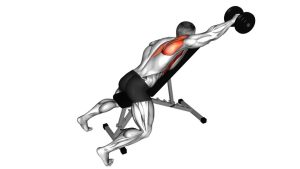
Dumbbell One-Arm Reverse Fly (With Support)
This variation is excellent for improving rear delt development, addressing left-to-right imbalances, and building better shoulder control with lighter loads. Because your torso is supported, you can focus more on strict form, a smooth arm path, and a strong contraction through the back of the shoulder. It works well as a hypertrophy accessory, posture-support exercise, or shoulder-training finisher.
Quick Overview
| Body Part | Rear Shoulders |
|---|---|
| Primary Muscle | Rear deltoid (posterior deltoid) |
| Secondary Muscle | Rhomboids, middle trapezius, rotator cuff stabilizers |
| Equipment | Dumbbell and bench, rack, or sturdy support surface |
| Difficulty | Beginner to Intermediate |
Sets & Reps (By Goal)
- Muscle growth: 3–4 sets × 10–15 reps per arm, 45–75 sec rest
- Shoulder control and balance: 2–4 sets × 12–18 reps per arm, light-to-moderate load
- Posture accessory work: 2–3 sets × 15–20 reps per arm, controlled tempo
- Finisher / pump work: 2–3 sets × 15–20 reps per arm with strict form and short rest
Progression rule: Increase reps before load. Rear delt isolation exercises usually respond better to precise execution and tension than aggressive weight jumps.
Setup / Starting Position
- Hold the dumbbell in one hand: Use a neutral grip and let the arm hang naturally below the shoulder.
- Support your body: Place your non-working hand on a bench, rack, or other stable surface for balance.
- Hinge at the hips: Lean forward with a flat back and a stable torso. Keep your chest open and core braced.
- Set the shoulder: Let the working shoulder stay packed and relaxed—avoid shrugging upward.
- Keep a soft elbow bend: Maintain a slight bend and keep it mostly fixed throughout the set.
Tip: The more stable your torso is, the easier it becomes to isolate the rear delt without turning the rep into a row.
Execution (Step-by-Step)
- Brace and stay still: Lock in your supported position and keep your torso from twisting.
- Lift the dumbbell out to the side: Raise the arm in a wide arc rather than pulling the elbow straight back.
- Lead with the elbow: Keep a soft bend in the elbow and move through the shoulder, not the wrist.
- Stop around shoulder height: Lift until the arm is roughly in line with the shoulder, or slightly below if needed.
- Pause briefly: Squeeze the rear delt at the top without shrugging.
- Lower under control: Return slowly to the start position and keep tension instead of dropping the weight.
Pro Tips & Common Mistakes
- Lift out, not back: Keep the motion fly-like instead of rowing the dumbbell.
- Use lighter weight than you think: Rear delts respond best when you can control the entire range.
- Do not shrug: Letting the upper traps take over reduces rear delt emphasis.
- Avoid torso rotation: Twisting to help the dumbbell up removes tension from the target muscle.
- Control the negative: The lowering phase is where a lot of the training value happens.
- Keep the elbow angle consistent: Excessive elbow bending turns the exercise into more of a row.
- Train both sides evenly: Match reps and effort from side to side to reduce imbalances.
FAQ
What muscle should I feel most during the one-arm reverse fly?
You should mainly feel the rear deltoid working, with some assistance from the upper back stabilizers. If you mostly feel traps or your neck, reduce the load and focus on cleaner positioning.
Is this better than doing reverse flys with both arms at the same time?
The one-arm supported version is often better for strict form, mind-muscle connection, and fixing side-to-side imbalances. Bilateral versions are also useful, but support can make this variation more controlled.
Should I go heavy on this exercise?
Usually no. This is an isolation movement, so moderate or light weights with strong control are often more effective than heavy weights that force momentum and poor mechanics.
Why does my reverse fly feel like an upper-back row?
That usually happens when the elbow travels too far backward or the weight is too heavy. Keep the arm path wider and think about lifting through the rear shoulder instead of pulling with the back.
Can beginners use this exercise?
Yes. It is very beginner-friendly because the support improves stability and helps you learn the correct rear delt movement pattern.
Recommended Equipment
- Adjustable Dumbbells — ideal for progressing load gradually without needing a full dumbbell rack
- Adjustable Weight Bench — provides a stable support point for better body positioning and stricter reps
- Lifting Straps — useful if grip fatigue limits your rear delt training on higher-rep sets
- Resistance Bands Set — a great accessory for rear delt warm-ups, face pulls, and shoulder activation work
- Training Gloves — optional for comfort and grip support during dumbbell accessory sessions
Tip: For most lifters, the best upgrade is a stable bench and a dumbbell setup that allows small increases in load.