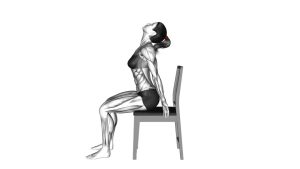
Seated Lateral Raise with Step-Out on a Padded Stool: Form, Sets, Tips & FAQ
Learn the Seated Lateral Raise with Step-Out on a Padded Stool for side shoulder strength, coordination, and control. Includes setup, form cues, sets by goal, common mistakes, FAQs, and recommended equipment.
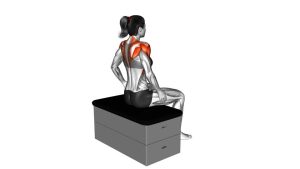
Seated Lateral Raise with Step-Out on a Padded Stool
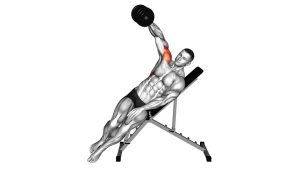
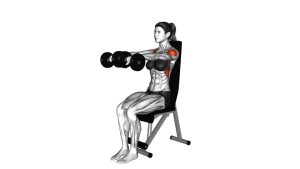
This exercise works best with light resistance, steady tempo, and clean positioning. Because you are seated, it becomes easier to reduce body swing and focus on the shoulders. The added step-out pattern can improve rhythm, body awareness, and control, but the upper-body portion should still stay strict. You should feel the work mainly in the side shoulders, with the traps helping only slightly.
Quick Overview
| Body Part | Shoulders |
|---|---|
| Primary Muscle | Lateral deltoids (side shoulders) |
| Secondary Muscle | Anterior deltoids, upper traps (light), core stabilizers, hip abductors during the step-out |
| Equipment | Padded stool or bench; optional light dumbbells or no load for learning |
| Difficulty | Beginner to Intermediate (best with light weights and strict control) |
Sets & Reps (By Goal)
- Muscle tone / general shoulder training: 3–4 sets × 10–15 reps per side pattern
- Shoulder hypertrophy: 3–5 sets × 12–20 reps with light-to-moderate dumbbells
- Coordination / movement control: 2–3 sets × 8–12 slow reps focusing on tempo and posture
- Warm-up / activation: 2–3 sets × 10–12 easy reps with very light load
Progression rule: First improve control, then add reps, then increase load slightly. If the shoulders shrug or the torso starts rocking, the weight is too heavy or the tempo is too fast.
Setup / Starting Position
- Sit tall on a padded stool or bench: Keep the feet planted, chest lifted, and spine neutral.
- Hold light dumbbells at your sides: Palms facing inward, elbows slightly bent, shoulders relaxed.
- Brace lightly through the core: Stay upright without leaning backward or rounding forward.
- Set the legs: One foot will step slightly outward during the raise, then return under control.
- Start with relaxed neck and traps: Think “long neck, heavy shoulders.”
Tip: If you are learning the movement, practice the step-out pattern first without weights so the arm path stays smooth and consistent.
Execution (Step-by-Step)
- Begin seated and stable: Sit upright with the weights at your sides and the shoulders set down.
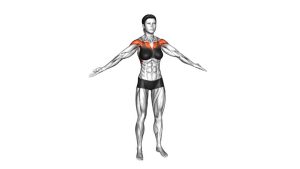
- Raise the arms laterally: Lift both arms out to the sides until they reach about shoulder height.
- Step one foot outward: As the arms rise, lightly step one foot out to the side without shifting the torso aggressively.
- Pause briefly at the top: Keep the elbows soft, wrists neutral, and shoulders level.
- Lower with control: Bring the arms back down slowly while returning the foot to the starting position.
- Repeat rhythmically: Alternate step-out sides or keep the same side for a block of reps, depending on your training goal.
Pro Tips & Common Mistakes
- Lead with the elbows: This helps keep tension on the side delts instead of turning it into a front raise.
- Stop at shoulder height: Going too high often shifts more work into the traps.
- Use light weights: This exercise is about quality contraction and clean coordination, not heavy loading.
- Don’t swing: Avoid jerking the weights or using body momentum to finish the rep.
- Keep the torso quiet: Stay tall on the stool and avoid leaning side to side during the step-out.
- Step lightly: The leg action is controlled and supportive, not a large lunge or aggressive lateral reach.
- Relax the neck: If you feel more neck tension than shoulder work, reset and reduce the load.
FAQ
What muscles does this exercise target most?
The main target is the lateral deltoid, which helps build shoulder width. Secondary muscles include the front delts, upper traps for light stabilization, the core, and the hips during the step-out pattern.
Should I use heavy dumbbells for this variation?
Usually no. This movement works best with light to moderate resistance so you can keep the shoulders down, the arm path clean, and the seated position stable.
Is the step-out required?
Not always. The step-out adds coordination and a light balance element, but you can remove it and perform a standard seated lateral raise if your goal is pure shoulder isolation.
Why do I feel this more in my traps than my delts?
That usually happens when the weight is too heavy, the arms go too high, or the shoulders shrug during the raise. Use lighter dumbbells, lift only to shoulder height, and think about keeping the neck long.
Is this good for beginners?
Yes, especially with very light weights or no weights at first. The seated setup reduces momentum and makes it easier to learn shoulder control.
Recommended Equipment
- Adjustable Dumbbells — practical for gradually increasing resistance as your side-delt strength improves
- Light Neoprene Dumbbell Set — ideal for shoulder isolation work, rehab-style training, and high-rep control
- Exercise Balance Pad — useful if you want a softer seated surface or extra comfort on a stool during controlled reps
- Resistance Bands Set — great for warm-ups, shoulder activation, and pairing with lateral raise sessions
- Folding Weight Bench — a stable padded seat option for home training if you do not already have a sturdy stool or bench
Choose equipment that lets you move with control. For this exercise, a stable seat and light resistance usually produce better results than chasing heavy weight. Generic Amazon search categories like adjustable dumbbells, balance pads, resistance bands, and folding benches are all currently available there.