Dumbbell Standing Inner Biceps Curl: Form, Muscles Worked, Sets, Tips & FAQ
Learn how to perform the Dumbbell Standing Inner Biceps Curl with proper form. Discover muscles worked, setup, execution steps, sets and reps by goal, common mistakes, FAQs, and recommended equipment.
Dumbbell Standing Inner Biceps Curl
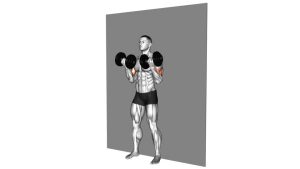
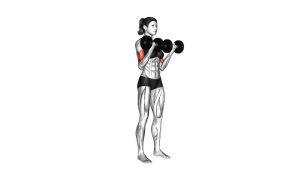
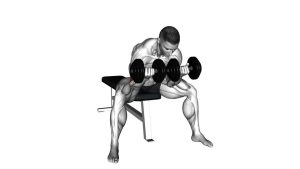
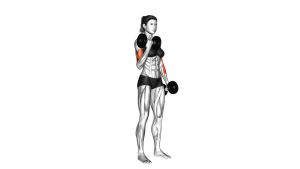
This curl variation is most effective when performed with strict posture, a controlled upward path, and a deliberate squeeze at the top. Instead of rushing the repetition, focus on keeping the shoulders quiet, the elbows stable, and the wrists rotating into a palms-up position as you lift. The goal is to load the biceps directly rather than turning the movement into a full-body heave.
Quick Overview
| Body Part | Biceps |
|---|---|
| Primary Muscle | Biceps brachii (short head / inner biceps emphasis) |
| Secondary Muscle | Brachialis, brachioradialis, forearm flexors |
| Equipment | Dumbbells |
| Difficulty | Beginner to Intermediate |
Sets & Reps (By Goal)
- Muscle growth: 3–4 sets × 8–12 reps with controlled tempo and a hard squeeze at the top
- Strength-focused arm training: 4–5 sets × 6–8 reps using strict form and slightly heavier dumbbells
- Technique / mind-muscle connection: 2–3 sets × 10–15 reps with lighter weight and slower negatives
- Finisher set: 2–3 sets × 12–15 reps after compound pulling or other biceps work
Progression rule: Add reps first, then increase load gradually once you can keep every rep smooth, upright, and fully controlled.
Setup / Starting Position
- Stand tall: Place your feet about hip-width apart and brace your core lightly.
- Hold the dumbbells at your sides: Start with a neutral or slightly turned grip.
- Keep the elbows close: Let them stay near the torso without pinning them aggressively behind the body.
- Set the shoulders: Chest up, shoulders down, neck relaxed.
- Prepare for strict reps: Avoid leaning back or using leg drive before the first curl begins.
Tip: A slightly narrow arm path and strong wrist supination will usually increase the inner-biceps feel during the contraction.
Execution (Step-by-Step)
- Start from the bottom: Let the dumbbells hang under control with the elbows close to your sides.
- Initiate the curl: Bend the elbows and begin lifting the dumbbells without swinging your torso.
- Rotate the wrists as you rise: Turn the palms up into full supination as the dumbbells travel upward.
- Keep the elbows disciplined: They may move slightly, but do not let them shoot forward or flare wide.
- Squeeze at the top: Pause briefly near shoulder height and contract the biceps hard.
- Lower slowly: Control the eccentric back to the starting position without dropping the weight.
- Repeat smoothly: Maintain posture, rhythm, and tension on every rep.
Pro Tips & Common Mistakes
- Supinate hard: Turning the palms fully upward helps maximize biceps recruitment and peak contraction.
- Use a controlled negative: Lowering the dumbbells slowly improves tension and technique.
- Keep the torso still: Avoid rocking backward to finish reps.
- Do not rush the top: A short squeeze at peak contraction makes the movement more productive.
- Avoid elbow flare: Letting the elbows drift too far outward reduces isolation.
- Don’t go too heavy too early: This exercise responds best to strict form and moderate loading.
- Train through a full range: Start from near-full extension and finish with a clean contraction.
FAQ
What part of the biceps does this exercise emphasize?
It primarily emphasizes the short head of the biceps, often described as the inner biceps, while still training the full biceps muscle.
Should I curl both dumbbells at the same time or alternate?
Both options work. Curling both together saves time, while alternating can help you focus more closely on each side and maintain better control.
How heavy should I go on inner biceps curls?
Use a weight that allows strict form, full supination, and a controlled lowering phase. If you need to swing the dumbbells, the load is too heavy.
Is this better than a regular dumbbell curl?
It is not necessarily better overall, but it can be a great variation when you want more biceps isolation, stronger peak contraction, and extra short-head emphasis.
Can beginners do this exercise?
Yes. Beginners can use light dumbbells and focus on clean technique before progressing the weight.
Recommended Equipment
- Adjustable Dumbbells — versatile for progressing curls and other upper-body exercises
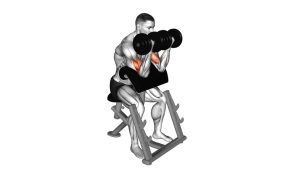
- Preacher Curl Bench — useful if you want to add more strict biceps isolation work to your program
- Wrist Wraps — helpful for lifters who want extra wrist support during curling movements
- Resistance Band Set — great for warm-ups, pump work, and extra arm volume without heavy loading
- Weightlifting Gloves — optional for grip comfort during higher-rep dumbbell training
Choose equipment that supports clean technique first. For this exercise, a comfortable dumbbell handle and manageable loading matter more than chasing the heaviest option.