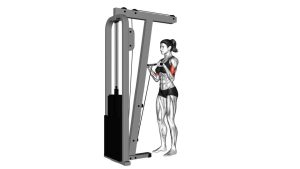
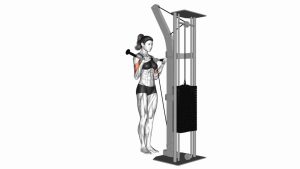
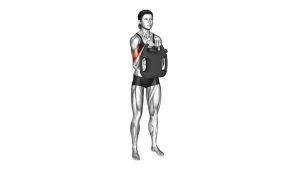
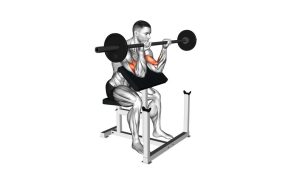
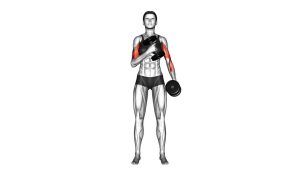
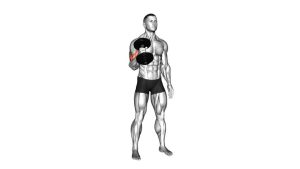
EZ-Barbell Reverse-Grip Curl: Form, Sets, Tips & FAQ
Learn how to perform the EZ-Barbell Reverse-Grip Curl with proper form to build stronger forearms, brachioradialis, and grip strength. Includes setup, execution, sets by goal, common mistakes, FAQ, and recommended equipment.
EZ-Barbell Reverse-Grip Curl
This exercise works best when performed with strict control rather than momentum. You should feel the movement mainly through the top of the forearms, brachioradialis, and the elbow flexors. The goal is to curl the bar with stable wrists and quiet shoulders, not to swing the torso or throw the weight upward. A moderate load with clean form usually builds more useful strength than going too heavy.
Quick Overview
| Body Part | Forearms |
|---|---|
| Primary Muscle | Brachioradialis |
| Secondary Muscle | Biceps brachii, brachialis, forearm extensors, grip muscles |
| Equipment | EZ curl bar and weight plates |
| Difficulty | Beginner to Intermediate |
Sets & Reps (By Goal)
- Forearm muscle growth: 3–4 sets × 8–12 reps with 60–90 seconds rest
- Grip and arm strength: 4–5 sets × 5–8 reps with 90–120 seconds rest
- Technique and control: 2–3 sets × 10–15 reps with lighter weight and smooth tempo
- Finisher after arm day: 2–3 sets × 12–15 reps with strict form and short rest
Progression rule: Add reps before adding weight. When all sets stay clean with stable wrists and no torso swing, increase the load gradually.
Setup / Starting Position
- Load the EZ bar: Choose a weight you can curl without leaning back or throwing the bar upward.
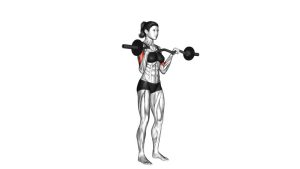
- Grip the bar overhand: Take a pronated grip on the angled sections that feel most natural for your wrists.
- Stand tall: Keep the chest up, core braced, and feet around hip- to shoulder-width apart.
- Let the arms hang straight: The bar should rest near the thighs with elbows close to the sides.
- Set the wrists: Keep them neutral and firm instead of letting them fold back.
Tip: The EZ bar usually feels more comfortable on the wrists than a straight bar while still letting you train the reverse-grip pattern effectively.
Execution (Step-by-Step)
- Brace your body: Tighten the abs lightly and keep the shoulders relaxed and down.
- Start the curl: Bend at the elbows and lift the EZ bar upward in a controlled arc.
- Keep elbows pinned: Do not let them drift far forward or flare out wide.
- Maintain wrist position: Keep the wrists steady as the bar rises toward the upper waist or lower chest area.
- Squeeze at the top: Pause briefly when the forearms are fully engaged.
- Lower slowly: Control the eccentric all the way back to full elbow extension without bouncing.
- Repeat cleanly: Every rep should look the same, with no torso swing or shoulder shrugging.
Pro Tips & Common Mistakes
- Use a full range of motion: Start from near full extension and curl under control for better forearm stimulus.
- Keep the rep strict: Reverse curls lose value quickly when you swing the bar with the hips.
- Don’t overload too early: This movement often requires less weight than standard curls.
- Stay neutral through the wrists: Excess wrist extension can shift stress away from the target muscles and irritate the joints.
- Control the lowering phase: The eccentric helps build forearm strength and resilience.
- Place it well in your workout: It works great after rows, pulldowns, or traditional curls as a forearm-focused accessory.
- Avoid shrugging: The upper traps should not take over the movement.
FAQ
What muscles does the EZ-Barbell Reverse-Grip Curl target most?
It mainly emphasizes the brachioradialis and other forearm muscles, while the biceps and brachialis still assist as elbow flexors.
Why use an EZ bar instead of a straight bar for reverse curls?
Many lifters find the angled grips of the EZ bar more comfortable on the wrists while still allowing an effective overhand curl pattern.
How heavy should I go on reverse curls?
Use a weight you can control without swinging, shrugging, or bending the wrists backward. Clean form matters more than chasing big numbers on this exercise.
Are reverse curls good for grip strength?
Yes. Because the pronated grip makes the forearms work harder, reverse curls can help improve grip endurance and overall lower-arm strength.
Can beginners do the EZ-Barbell Reverse-Grip Curl?
Yes. Beginners can benefit from it by starting light, learning strict technique, and focusing on wrist stability and controlled elbow flexion.
Recommended Equipment
- EZ Curl Bar — the main tool for this exercise, with angled grips that are often more wrist-friendly than a straight bar
- Olympic Weight Plates — lets you load the bar progressively as forearm and arm strength improve
- Wrist Wraps — useful for lifters who want extra wrist support during heavier reverse curls
- Lifting Gloves or Grip Gloves — can improve comfort and bar control during higher-volume arm sessions
- 2-Inch Barbell Collars / Clamps — helps keep plates secure and balanced while curling
Tip: Choose equipment that improves control and comfort, not just load. Reverse curls respond especially well to smooth reps and stable wrist positioning.