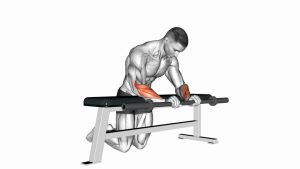
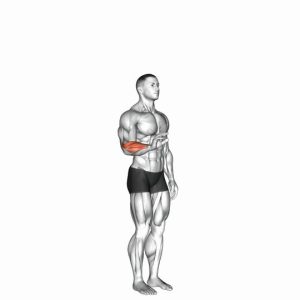
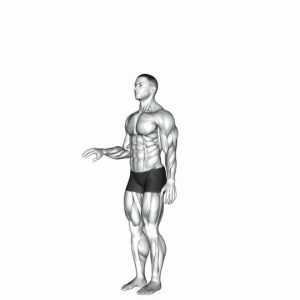
Forearm Supination & Pronation: Form, Muscles Worked, Sets, Tips & FAQ
Learn how to perform Forearm Supination and Pronation with proper form to improve forearm control, grip support, and rotational strength. Includes setup, step-by-step execution, sets by goal, mistakes, FAQs, and recommended equipment.
Forearm Supination & Pronation
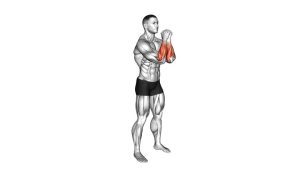
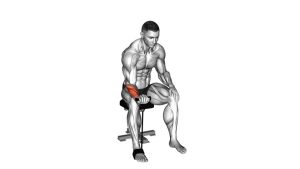
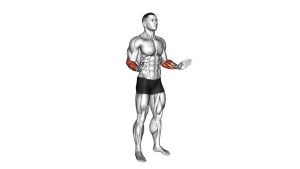
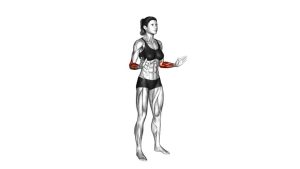
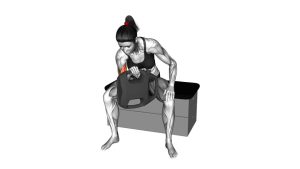
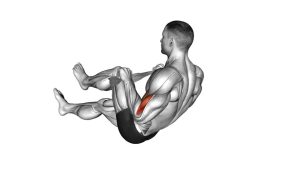
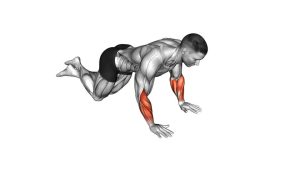
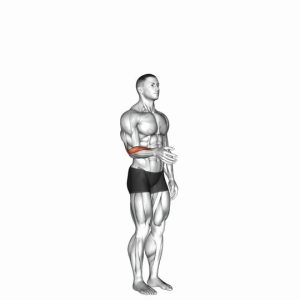
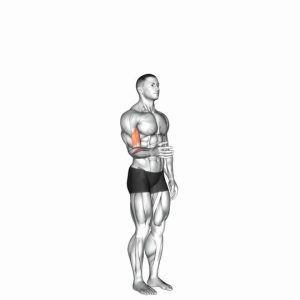
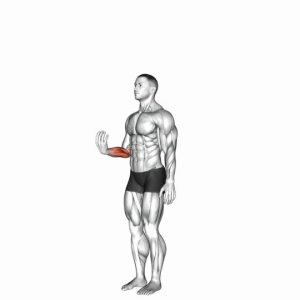
This drill works best when the motion stays controlled and deliberate. The goal is to rotate through supination (palm turning up) and pronation (palm turning down) without twisting the shoulder, flaring the elbow, or rushing the movement. You may feel light work through the forearm muscles, with the biceps assisting more during supination. Start with bodyweight or very light resistance and prioritize range, smoothness, and joint comfort.
Quick Overview
| Body Part | Forearms |
|---|---|
| Primary Muscle | Forearm supinators and pronators |
| Secondary Muscle | Biceps brachii, brachioradialis, wrist stabilizers |
| Equipment | None, or optional light dumbbell / hammer-style handle / rehab tool |
| Difficulty | Beginner (excellent for control, warm-up, and light rehab-style work) |
Sets & Reps (By Goal)
- Mobility / movement prep: 2–3 sets × 10–15 reps per side with slow, easy rotation
- Forearm control / joint awareness: 2–4 sets × 8–12 reps per side with a 1–2 second pause at each end range
- Light strengthening: 3–4 sets × 10–15 reps per side using very light resistance
- Rehab-style practice: 2–3 sets × 6–10 controlled reps per side with reduced range if needed
Progression rule: First improve control and range, then add reps, then add a very small amount of resistance. Do not jump to heavy loading for rotational drills.
Setup / Starting Position
- Stand or sit tall: Keep your chest up, shoulders relaxed, and spine neutral.
- Bend or fix the elbow comfortably: The elbow can stay close to the body and mostly still throughout the rep.
- Start in neutral: Position the hand like a handshake, with the thumb pointing upward.
- Relax the shoulder: Do not let the upper arm twist excessively or the shoulder roll forward.
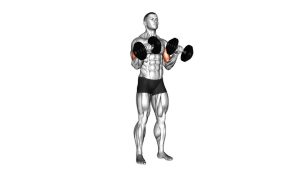
- Use light resistance only if needed: A tiny dumbbell, hammer-style tool, or rehab handle is enough for most people.
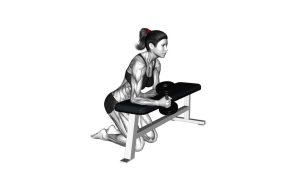
Tip: If your elbow wants to drift around, lightly pin it against your side or support the forearm on a bench or thigh.
Execution (Step-by-Step)
- Begin in neutral: Start with the hand in a handshake position and the wrist straight.
- Rotate into supination: Turn the palm upward as far as you comfortably can without moving the shoulder.
- Pause briefly: Hold the top position for a second and feel the forearm muscles control the rotation.
- Rotate into pronation: Slowly turn the palm downward in the opposite direction under control.
- Repeat smoothly: Move back and forth without jerking, using a steady tempo and keeping the elbow stable.
Pro Tips & Common Mistakes
- Keep the wrist neutral: Avoid bending the wrist too much while you rotate.
- Move slowly: Fast reps usually shift the work away from the forearm and reduce control.
- Don’t force end range: Work only within a smooth, pain-free range of motion.
- Control both directions: Supination and pronation should both look clean—not just one side.
- Keep the elbow quiet: Too much elbow flexing or flaring changes the drill.
- Use light resistance: Rotation drills become sloppy quickly when the load is too heavy.
- Watch shoulder compensation: If the shoulder turns more than the forearm, reduce range and slow down.
FAQ
What is forearm supination and pronation?
Supination is turning the palm upward, while pronation is turning the palm downward. This drill trains smooth control through both directions.
Where should I feel this exercise?
You should mainly feel the work through the forearm muscles, especially around the rotational muscles and wrist stabilizers. During supination, the biceps may also assist.
Should I use weight for this drill?
You can start with no weight at all. Once the motion feels smooth, you can use a very light dumbbell, hammer-style handle, or rehab tool for extra resistance.
Is this exercise good for grip strength?
It helps support grip development by improving forearm control and rotational strength, but it works best when combined with dedicated grip exercises and general forearm training.
Who can benefit from this movement?
Lifters, racquet sport athletes, climbers, martial artists, arm wrestlers, and people doing wrist or elbow rehab-style work can all benefit from controlled pronation and supination practice.
Recommended Equipment
- Pronation / Supination Wrist Exerciser — specifically useful for training rotational forearm strength and controlled wrist movement
- Grip Strength Trainer — helps build supporting hand, wrist, and forearm strength alongside this drill
- Wrist Roller — great for adding forearm endurance and overall lower-arm strength
- Light Adjustable Dumbbell — useful for progressing the movement with very small increases in load
- Resistance Bands Set — helpful for pairing forearm work with elbow, wrist, and upper-arm accessory training
Tip: For rotational drills, lighter and more controllable tools usually work better than heavy loads.