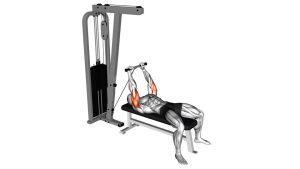
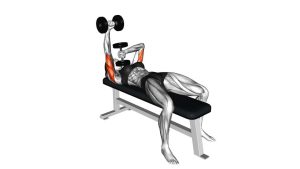
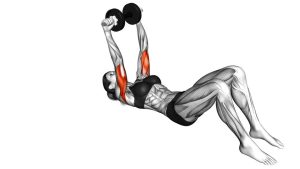
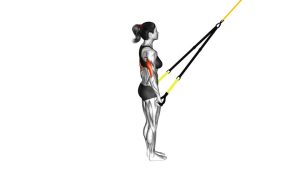
Bodyweight Double Triceps Kickback: Proper Form, Sets, Tips & FAQ
Learn the Bodyweight Double Triceps Kickback with proper form, setup, execution tips, sets by goal, common mistakes, FAQs, and recommended equipment to improve triceps control and upper-body definition.
Bodyweight Double Triceps Kickback
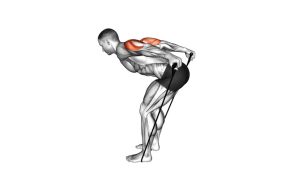
This movement works best when you stay stable through the torso and move only at the elbows. From the video, the exercise is performed with a hinged body position, a neutral neck, and both elbows tucked close to the torso while the forearms extend backward together. You should feel the triceps doing most of the work, with the shoulders and core acting mainly as stabilizers.
Quick Overview
| Body Part | Triceps |
|---|---|
| Primary Muscle | Triceps brachii |
| Secondary Muscle | Rear delts, core stabilizers, upper back stabilizers |
| Equipment | None |
| Difficulty | Beginner to Intermediate |
Sets & Reps (By Goal)
- Technique practice: 2–3 sets × 10–12 reps with slow, controlled motion
- Muscle endurance: 2–4 sets × 12–20 reps with short rest periods
- General toning / arm definition: 3–4 sets × 12–15 reps
- Warm-up activation: 1–2 sets × 8–10 reps before push or arm training
Progression rule: First improve control, squeeze, and tempo. Then increase total reps, add pauses at lockout, or progress to a banded or weighted triceps kickback variation.
Setup / Starting Position
- Stand with feet about hip- to shoulder-width apart: Keep a balanced base so you do not rock during the set.
- Hinge forward at the hips: Lean the torso forward while keeping the spine neutral and chest open.
- Soften the knees: A slight bend helps you stay stable and reduce tension on the lower back.
- Tuck the elbows close to your body: Bring the upper arms alongside the torso and keep them there.
- Start with elbows bent: Forearms should point downward or slightly backward before each rep begins.
- Brace the core and relax the neck: Keep the head in line with the spine rather than looking up too high.
Tip: Think of your upper arms as “anchors.” If they drift around, the exercise becomes less of a triceps isolation movement.
Execution (Step-by-Step)
- Lock in the hinge: Stay bent forward with your torso still and your shoulders set down and back.
- Keep the elbows pinned: Do not let them swing forward or flare out wide.
- Extend both elbows: Drive the forearms backward until the arms are nearly straight.
- Squeeze the triceps at the back: Pause briefly when you reach full extension.
- Return with control: Slowly bend the elbows and bring the forearms back to the starting position.
- Repeat smoothly: Maintain the same torso angle and tempo for every rep.
Pro Tips & Common Mistakes
- Keep the upper arms still: This is the most important technique point for making the triceps do the work.
- Use a controlled tempo: Fast reps usually turn into momentum-based reps.
- Do not shrug the shoulders: Keep the neck long and the traps relaxed.
- Avoid torso swinging: If your chest is bobbing up and down, reduce effort and reset your stance.
- Finish the rep with a squeeze: A short pause at the back improves triceps engagement.
- Do not hyperextend the elbows: Straighten the arms strongly, but do not snap into lockout.
- Keep wrists neutral: Avoid excessive wrist bending as you extend backward.
FAQ
What muscles does the Bodyweight Double Triceps Kickback work?
It mainly targets the triceps brachii. The rear delts, upper back, and core also help stabilize your body during the bent-over position.
Is this exercise good for beginners?
Yes. It is beginner-friendly because it teaches elbow extension control without requiring heavy external load. Start with slow reps and a short range if needed.
Should my whole arm move during the kickback?
No. Your upper arms should stay close to the torso while the forearms move. Too much shoulder motion reduces triceps isolation.
How fast should I do the reps?
Use a controlled tempo. A smooth extension, a short squeeze, and a controlled return usually work better than fast, sloppy repetitions.
How can I make this exercise harder?
You can add a pause at full extension, increase reps, slow down the eccentric phase, or progress to resistance-band or dumbbell triceps kickback variations.
Recommended Equipment
- Resistance Bands Set — useful for progressing from bodyweight kickbacks to band-resisted triceps work
- Push-Up Bars / Parallettes — helpful for pairing this exercise with bodyweight upper-body training and reducing wrist stress
- Workout Gloves — improve grip comfort during higher-volume arm sessions and related push exercises
- Exercise Mat — creates a more comfortable training surface for home workouts, warm-ups, and floor-based arm work
- Adjustable Weight Bench — expands your arm-training options for bench-supported kickbacks, extensions, and full upper-body sessions
Tip: For this specific exercise, you do not need equipment to start. These tools are best used to improve comfort, build progression options, and support a more complete triceps-training setup.