EZ-Bar Seated Triceps Extension: Proper Form, Sets, Tips & FAQ
Learn the EZ-Bar Seated Triceps Extension for bigger, stronger triceps with better overhead stability. Includes form tips, setup, execution, sets by goal, mistakes, FAQs, and recommended equipment.
EZ-Bar Seated Triceps Extension
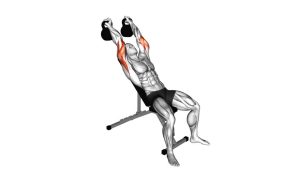
This exercise works best when you control the eccentric and keep the upper arms mostly fixed. The EZ-bar’s angled grip is usually more comfortable on the wrists than a straight bar, allowing many lifters to train the triceps hard without unnecessary hand or elbow discomfort. You should feel the stretch in the back of the upper arms, then a strong contraction as you extend overhead. Avoid rushing, flaring the elbows too wide, or arching the lower back to cheat the weight up.
Quick Overview
| Body Part | Triceps |
|---|---|
| Primary Muscle | Triceps brachii (long head emphasized) |
| Secondary Muscle | Lateral head and medial head of the triceps; shoulders and core as stabilizers |
| Equipment | EZ-bar, weight plates, flat or upright bench |
| Difficulty | Intermediate |
Sets & Reps (By Goal)
- Muscle growth: 3–4 sets × 8–12 reps with controlled tempo and full stretch
- Strength-focused assistance: 3–5 sets × 5–8 reps using strict form and longer rest periods
- Joint-friendly volume work: 2–4 sets × 10–15 reps with moderate weight and smooth lockout
- Finisher / pump work: 2–3 sets × 12–20 reps with lighter weight and constant tension
Progression rule: Add reps first, then small amounts of weight. Only increase the load when you can keep the elbows stable, maintain full control behind the head, and finish without swinging or excessive back arch.
Setup / Starting Position
- Sit tall on a bench: Plant your feet firmly and brace your core so your torso stays stable.
- Grip the EZ-bar comfortably: Use the angled sections that let your wrists stay neutral and pain-free.
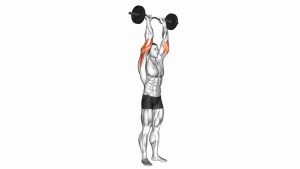
- Press or position the bar overhead: Start with the elbows extended, bar above the head, and upper arms close to your ears.
- Set the shoulder position: Keep the chest up, shoulders packed, and avoid shrugging.
- Prepare for the descent: Keep the elbows pointed mostly upward and ready to bend under control.
Tip: A seated position reduces lower-body momentum and makes it easier to focus on clean elbow extension.
Execution (Step-by-Step)
- Lower the bar behind your head: Bend the elbows and bring the EZ-bar down in a controlled arc until your triceps reach a deep but comfortable stretch.
- Keep the upper arms steady: Let the forearms move while the elbows stay mostly in place rather than drifting far outward.
- Pause briefly in the stretched position: Stay in control without bouncing out of the bottom.
- Extend the elbows to raise the bar: Drive the EZ-bar back overhead by squeezing the triceps.
- Finish at the top: Reach full extension without turning it into a shoulder press or hyperextending the lower back.
- Repeat smoothly: Maintain the same path and tempo on every rep.
Pro Tips & Common Mistakes
- Use the stretch: The overhead position is what makes this exercise valuable, so lower the bar with control instead of doing partial reps.
- Don’t let the elbows drift everywhere: A little natural movement is fine, but excessive flare reduces tension and can irritate the joints.
- Brace the core: Prevent lower-back arching by keeping the ribcage down and glutes lightly engaged.
- Choose the right grip angle: The best hand position is the one that keeps your wrists neutral and elbows comfortable.
- Avoid bouncing out of the bottom: Use muscular control, not momentum, to start the rep.
- Lock out with intent: Finish by squeezing the triceps, not by leaning back and pressing the weight up with the shoulders.
FAQ
What does the EZ-Bar Seated Triceps Extension work the most?
It mainly targets the triceps brachii, with extra emphasis on the long head because the arms are overhead and the muscle is trained in a lengthened position.
Why use an EZ-bar instead of a straight bar?
The angled grip usually feels more natural on the wrists and elbows, which can make overhead extensions more comfortable and easier to control.
Should I keep my elbows completely tucked in?
Not perfectly. Keep them mostly stable and pointed upward, but allow a natural path that does not create joint discomfort. The goal is controlled alignment, not forced stiffness.
Is this exercise better for size or strength?
It works for both, but it is especially effective for hypertrophy because it loads the triceps through a deep stretch and long range of motion.
What if I feel elbow pain during overhead triceps work?
Reduce the load, slow the tempo, shorten the range slightly if needed, and make sure your wrists stay neutral. If pain continues, stop the movement and choose a more joint-friendly triceps variation.
Recommended Equipment
- EZ Curl Bar — the main tool for this exercise, offering a more wrist-friendly grip than a straight bar
- Weight Plates — essential for progressive overload and long-term triceps growth
- Adjustable Weight Bench — provides a stable seated base for stricter overhead extension work
- Lifting Straps — optional for lifters who want extra grip support during higher-rep sets
- Elbow Sleeves — optional joint support for lifters who want added warmth and comfort during arm training
Tip: Prioritize a good EZ-bar and stable bench first. Most lifters will get the biggest benefit from comfort, control, and consistent progressive overload.