Cable Single-Arm Triceps Pushdown (Rope Attachment): Form, Sets, Tips & FAQ
Learn the Cable Single-Arm Triceps Pushdown with a rope attachment for better triceps isolation, balanced arm development, and stronger lockout strength. Includes setup, form tips, sets by goal, common mistakes, FAQ, and recommended equipment.
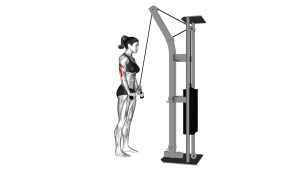
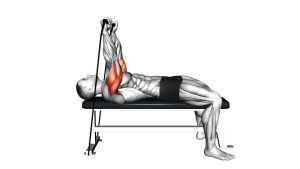
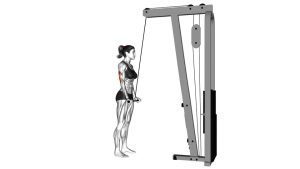
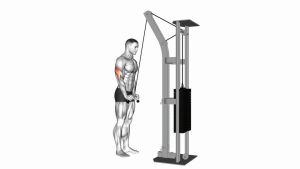
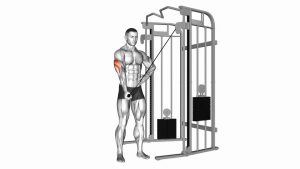
Cable Single-Arm Triceps Pushdown (Rope Attachment)
This exercise works best when the shoulder stays quiet and the movement comes almost entirely from elbow extension. Because the cable keeps tension on the arm through the full range of motion, it is excellent for hypertrophy-focused arm sessions, accessory work after pressing, or cleaning up technique if bilateral pushdowns tend to hide weaker-side compensation.
Quick Overview
| Body Part | Triceps |
|---|---|
| Primary Muscle | Triceps brachii |
| Secondary Muscle | Forearm stabilizers, anterior deltoid (light stabilization), core stabilizers |
| Equipment | Cable machine with rope attachment |
| Difficulty | Beginner to Intermediate |
Sets & Reps (By Goal)
- Muscle growth: 3–4 sets × 10–15 reps per arm with 45–75 seconds of rest
- Strength-focused accessory work: 3–5 sets × 6–10 reps per arm with 60–90 seconds of rest
- Technique and symmetry work: 2–4 sets × 12–15 controlled reps per arm with light to moderate load
- Finisher / pump work: 2–3 sets × 15–20 reps per arm with short rest and strict form
Progression tip: Add reps before load when possible. If your elbow starts drifting or you need to lean your torso to finish reps, the weight is probably too heavy.
Setup / Starting Position
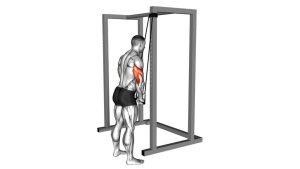
- Set the pulley high: Attach a rope to the upper pulley of a cable station.
- Grip one side of the rope: Use one hand with a neutral grip so the palm faces inward.
- Square your stance: Stand facing the machine with feet about hip- to shoulder-width apart. A slight staggered stance is fine for balance.
- Brace lightly: Keep your chest up, ribs stacked, and core engaged with only a slight forward lean.
- Position the elbow: Tuck the working elbow close to your side and keep it fixed near the ribcage.
- Start at the top: Begin with the elbow bent around 90 degrees, rope near the lower chest or upper abdomen, and wrist neutral.
Tip: Before the first rep, pull your shoulder blade gently down and back so the shoulder does not roll forward during the set.
Execution (Step-by-Step)
- Lock in your upper arm: Keep the elbow tucked and the upper arm steady. Only the forearm should move.
- Press the rope down: Extend the elbow and push the rope toward your thigh in a smooth downward path.
- Finish with control: At the bottom, reach near full elbow extension and squeeze the triceps hard without hyperextending.
- Let the rope separate naturally: A slight outward flare at the bottom is normal with a rope and can help improve contraction.
- Pause briefly: Hold the bottom for a moment to remove momentum and feel the triceps working.
- Return slowly: Let the rope rise under control until the elbow is bent again, but do not let the stack yank your arm upward.
- Repeat evenly: Keep the same range of motion and tempo on every rep, then switch arms.
Pro Tips & Common Mistakes
- Keep the elbow pinned: The more the elbow wanders, the less isolated the triceps become.
- Use full control on the way up: The eccentric phase matters for muscle growth and joint-friendly mechanics.
- Do not overload the movement: Heavy weight often causes torso lean, shoulder involvement, and shortened range.
- Keep the wrist stacked: Avoid curling the wrist down to fake extra extension.
- Train both arms evenly: Start with your weaker arm and match the reps with your stronger side.
- Use a slight pause at lockout: A one-second squeeze improves mind-muscle connection and reduces rushing.
- Do not shrug: Keep the neck relaxed and shoulder blade stable throughout the set.
FAQ
What does the single-arm rope version do better than regular triceps pushdowns?
The single-arm version helps you focus on one side at a time, which can improve control, reveal imbalances, and make it easier to keep tension on the working triceps without your stronger side dominating.
Where should I feel this exercise?
You should feel the exercise mostly in the triceps, especially near the back of the upper arm. If you mostly feel your shoulder or wrist, your elbow position or load selection may need adjustment.
Should I lock out completely at the bottom?
You should reach near full extension and squeeze the triceps, but avoid aggressively snapping into hyperextension. The finish should feel strong and controlled.
Is this exercise good for building bigger arms?
Yes. It is an excellent hypertrophy exercise because the cable provides consistent tension, and the unilateral setup helps improve quality of contraction and side-to-side balance.
Can beginners use this exercise?
Yes. Beginners usually do well with it because the cable path is smooth and the movement is easy to learn. Start light, keep the elbow tucked, and prioritize strict reps over heavy weight.
Recommended Equipment (Optional)
- Triceps Rope Attachment — a durable rope handle for pushdowns, overhead extensions, and other cable arm work
- Cable Machine Attachments Set — useful if you want multiple grip options for triceps, biceps, and back exercises
- Home Gym Cable Machine — ideal for lifters who want access to pushdowns and other constant-tension cable exercises at home
- Weightlifting Grips for Cable Training — can improve comfort and grip security during high-volume cable sessions
- Elbow Sleeves — optional support for lifters who want extra warmth and comfort around the elbow joint
Tip: Accessories should improve comfort and setup quality, but strict form and smart loading matter more than gear.