Close-Grip Push-Up: Proper Form, Sets, Benefits, Tips & FAQ
Learn how to do the Close-Grip Push-Up with proper form to target the triceps, chest, and shoulders. Includes setup, execution steps, sets and reps by goal, common mistakes, FAQs, and recommended equipment.
Close-Grip Push-Up
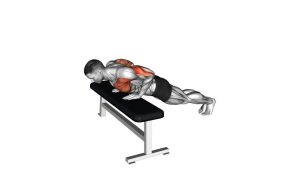
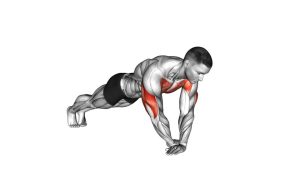
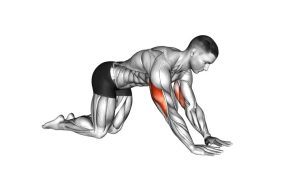
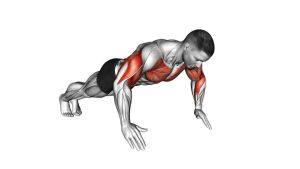
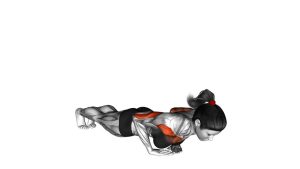
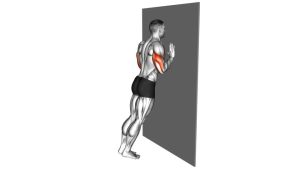
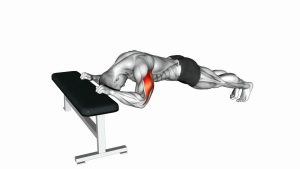
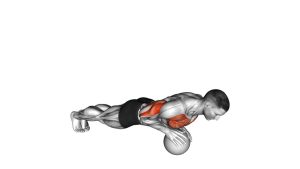
This exercise is excellent for building upper-arm strength without equipment and can be used in home workouts, bodyweight programs, or as an accessory movement in a strength routine. It rewards tight form, steady tempo, and proper elbow tracking. Instead of thinking about pushing only with the chest, focus on driving the floor away while keeping the elbows close and the body rigid from head to heels.
Quick Overview
| Body Part | Triceps |
|---|---|
| Primary Muscle | Triceps |
| Secondary Muscle | Chest, front deltoids, serratus anterior, core |
| Equipment | Bodyweight only |
| Difficulty | Beginner to Intermediate |
Sets & Reps (By Goal)
- Strength: 3-5 sets x 4-8 reps with slow, controlled form and 90-150 seconds of rest
- Muscle growth: 3-4 sets x 8-15 reps with 60-90 seconds of rest
- Muscular endurance: 2-4 sets x 12-20 reps with 45-75 seconds of rest
- Beginner practice: 2-3 sets x 6-10 reps using an incline or elevated surface if needed
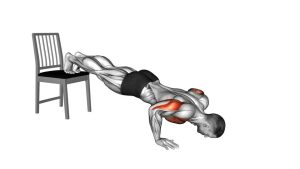
Progression rule: First improve rep quality and full-body control, then increase reps. After that, progress by slowing the tempo, elevating the feet, or adding resistance with a weighted vest or plate.
Setup / Starting Position
- Place your hands slightly narrower than shoulder width: Keep them directly under or just inside the shoulders.
- Extend the legs behind you: Set up in a high plank with the feet together or slightly apart for balance.
- Brace the core: Tighten the abs and glutes so the body stays in one straight line.
- Set the shoulders: Keep them down and away from the ears while maintaining a neutral neck.
- Turn the elbows back: Think about aiming them behind you, not out to the sides.
Tip: A slightly narrower hand position usually increases triceps demand, but do not place the hands so close that the wrists collapse or your elbows flare awkwardly.
Execution (Step-by-Step)
- Start in a strong plank: Head, shoulders, hips, knees, and heels should form a straight line.
- Lower under control: Bend the elbows and bring the chest down toward the floor while keeping the elbows tucked close to the torso.
- Pause briefly near the bottom: Stop just before the chest touches the floor while keeping tension through the triceps and core.
- Press back up: Drive through the palms and straighten the arms without letting the hips sag or the shoulders shrug.
- Finish at full lockout: Return to the top position with control, then repeat for the desired number of reps.
Pro Tips & Common Mistakes
- Keep the elbows close: Tucked elbows increase triceps involvement and reduce unnecessary shoulder stress.
- Do not rush the lowering phase: A slow eccentric improves control and makes each rep more effective.
- Maintain a straight body line: Avoid sagging hips, lifted glutes, or craning the neck forward.
- Use a range you can control: Half reps with poor alignment are less effective than clean reps through a solid range.
- Do not place the hands too close together: An excessively narrow position can irritate the wrists and reduce pressing efficiency.
- Exhale as you press: Controlled breathing helps you maintain tension and stay stable through the rep.
FAQ
What muscles does the close-grip push-up work most?
The close-grip push-up mainly targets the triceps. It also trains the chest, front deltoids, and core as supporting muscles.
Is the close-grip push-up better for triceps than a regular push-up?
Yes, in most cases. Bringing the hands closer and keeping the elbows tucked shifts more tension to the triceps compared with a standard push-up.
What if I cannot do full close-grip push-ups yet?
Start with incline close-grip push-ups using a bench, box, or sturdy surface. You can also reduce reps and focus on slow negatives until strength improves.
Should my elbows touch my sides?
They do not need to be pinned tightly against your ribs, but they should stay close to the torso rather than flaring wide like a chest-dominant push-up.
Can I use this exercise for muscle building?
Absolutely. The close-grip push-up is effective for hypertrophy when performed with enough volume, good tempo, and progressive overload through reps, tempo, or added resistance.
Recommended Equipment
- Push-Up Handles — reduce wrist strain and can improve pressing comfort and range of motion
- Exercise Mat — provides cushioning for hands, knees, and floor-based training
- Weighted Vest — a great progression tool once bodyweight reps become too easy
- Resistance Bands Set — useful for warm-ups, assistance, or adding accommodating resistance
- Push-Up Board — offers hand-position variety and can help organize bodyweight pressing workouts
Tip: If your goal is long-term progress, start with clean bodyweight reps first. Equipment should improve comfort or progression, not replace proper technique.