Dumbbell Lying Oblique V-Up: Form, Core Benefits, Sets & Tips
Learn the Dumbbell Lying Oblique V-Up for stronger abs and obliques. Includes setup, steps, sets, mistakes, FAQs, and equipment tips.
Dumbbell Lying Oblique V-Up
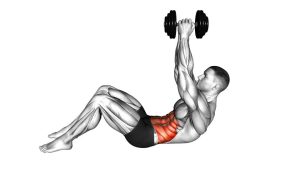
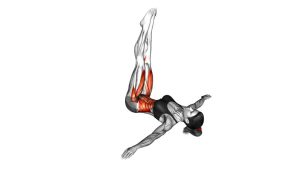
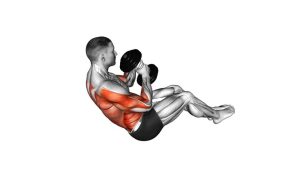
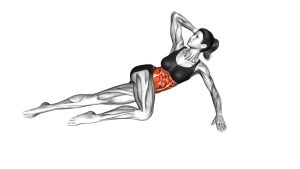
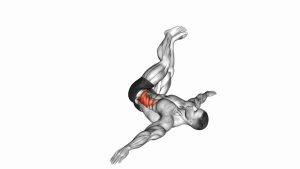
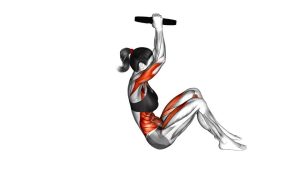
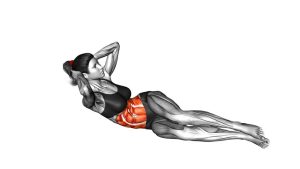
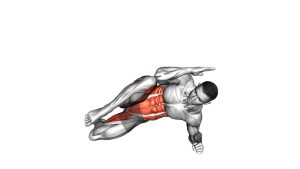
This exercise works best when the movement stays controlled from start to finish. First, the body begins fully extended on the floor. Then, the dumbbell arm moves diagonally forward as the legs rise and the torso rotates. Finally, the body returns slowly to the starting position without dropping the legs or rushing the descent. As a result, the core must stabilize, lift, and rotate at the same time.
Quick Overview
| Body Part | Core |
|---|---|
| Primary Muscle | Obliques |
| Secondary Muscle | Rectus abdominis, hip flexors, deep core stabilizers, shoulders |
| Equipment | Dumbbell and exercise mat |
| Difficulty | Intermediate to advanced because it combines load, leg lift, and trunk rotation |
Sets & Reps (By Goal)
- Core control: 2–3 sets × 6–8 reps per side with a slow, clean tempo
- Oblique strength: 3–4 sets × 8–10 reps per side with a light-to-moderate dumbbell
- Core endurance: 2–3 sets × 10–12 reps per side using a lighter dumbbell
- Advanced core training: 3–5 sets × 6–10 reps per side with strict control and full reset between reps
Progression rule: Add reps first, then increase dumbbell weight only when each rep stays smooth, diagonal, and controlled.
Setup / Starting Position
- Lie flat on the floor: Keep your body extended with your legs straight and close together.
- Hold one dumbbell: Extend the dumbbell arm overhead near the floor without forcing the shoulder.
- Brace your core: Gently tighten your abs before the first lift so your lower back does not over-arch.
- Keep the legs long: Start with both legs straight and controlled rather than bent or loose.
- Prepare the diagonal path: The dumbbell should travel across the body toward the opposite leg during the lift.
Tip: Begin with a very light dumbbell. This exercise becomes difficult quickly because the weight moves far from the body.
Execution (Step-by-Step)
- Start fully extended: Lie back with the dumbbell arm overhead and both legs straight on the floor.
- Lift the torso: Crunch upward while beginning to rotate through the trunk.
- Raise the legs: Bring both legs upward as the upper body rises, keeping the movement coordinated.
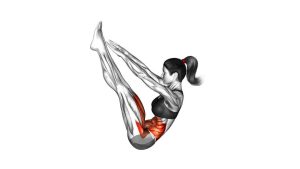
- Reach diagonally: Move the dumbbell toward the opposite leg or foot area while forming a V shape.
- Pause briefly: Control the top position without bouncing or swinging the dumbbell.
- Lower slowly: Return the torso, legs, and dumbbell back toward the floor with control.
- Reset cleanly: Finish in the fully extended position before starting the next repetition.
Pro Tips & Common Mistakes
- Use a diagonal reach: Aim the dumbbell across the body instead of straight upward.
- Control the descent: The lowering phase builds strength, so avoid collapsing back to the floor.
- Avoid neck pulling: Let the core lift the torso while the head follows naturally.
- Do not overload too soon: A heavy dumbbell can turn the movement into momentum instead of core work.
- Keep the legs active: Straight, controlled legs make the V-up cleaner and more challenging.
- Brace before lifting: This helps protect the lower back and improves rotation control.
- Move with rhythm: Lift, rotate, pause, then lower smoothly before the next rep.
FAQ
What muscles does the Dumbbell Lying Oblique V-Up work?
It mainly targets the obliques. However, it also trains the rectus abdominis, hip flexors, deep core stabilizers, and shoulders because the body must lift, rotate, and control the dumbbell.
Is this exercise beginner-friendly?
Not usually. Because it combines a leg raise, V-up, rotation, and dumbbell loading, it is better for intermediate or advanced trainees. Beginners should first master bodyweight V-ups and lying oblique crunches.
How heavy should the dumbbell be?
Start light. A small dumbbell is enough because the arm reaches far from the body. If your form changes, your lower back arches, or the dumbbell swings, the weight is too heavy.
Should I do reps on both sides?
Yes. Perform the same number of reps on each side. This helps train both obliques evenly and keeps your core rotation balanced.
Why does my lower back lift during the exercise?
Your lower back may lift if the dumbbell is too heavy, your legs drop too fast, or your core loses tension. Reduce the weight, slow the movement, and shorten the range until you can control every rep.
Recommended Equipment
- Rubber Hex Dumbbell — ideal for controlled weighted core exercises because it is compact and easy to grip
- Adjustable Dumbbell Set — useful if you want small weight progressions for core strength training
- Thick Exercise Mat — provides floor comfort for the hips, back, and shoulders during lying core work
- Non-Slip Workout Mat — helps reduce sliding during diagonal V-ups and controlled floor exercises
- Core Sliders — optional tool for adding other oblique and abdominal variations to your routine
Note: The core equipment suggestions above are based on useful categories for this exercise and related core training. Choose light loads first and prioritize control before adding more resistance.