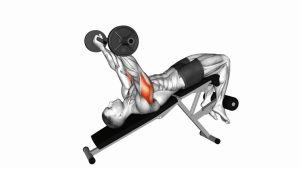
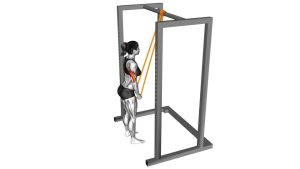
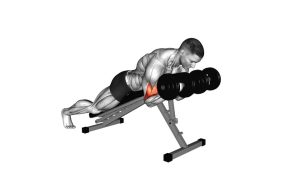
Dumbbell Lying Single Extension: Form, Sets, Tips & FAQ
Learn the Dumbbell Lying Single Extension for stronger, more defined triceps. Discover correct form, setup, step-by-step execution, sets by goal, common mistakes, FAQs, and recommended equipment.
Dumbbell Lying Single Extension
This exercise is most effective when performed with a strict tempo and clean elbow mechanics. Because you are training one side at a time, it is useful for identifying and correcting left-to-right strength imbalances. You should feel the movement mostly in the back of the upper arm, especially during the stretch at the bottom and the contraction near the top.
Quick Overview
| Body Part | Triceps |
|---|---|
| Primary Muscle | Triceps brachii (especially the long head) |
| Secondary Muscle | Forearms, shoulder stabilizers, and core stabilizers |
| Equipment | One dumbbell and a flat bench |
| Difficulty | Beginner to Intermediate |
Sets & Reps (By Goal)
- Muscle growth: 3–4 sets × 8–12 reps per arm
- Strength focus: 4–5 sets × 5–8 reps per arm
- Technique and control: 2–3 sets × 10–15 reps per arm with lighter weight
- Accessory arm training: 2–4 sets × 12–15 reps per arm after pressing movements
Progression rule: Increase reps first, then load. Keep each rep smooth and controlled before moving to a heavier dumbbell.
Setup / Starting Position
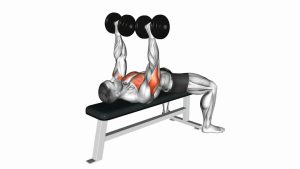
- Lie flat on a bench: Keep your head, upper back, and hips supported, with feet firmly planted on the floor.
- Hold one dumbbell: Grip the dumbbell securely in one hand and press it above your chest.
- Align the arm: Position the working arm nearly vertical with the palm facing inward or slightly neutral.
- Stabilize the shoulder: Keep the upper arm steady and avoid letting the elbow drift too far outward.
- Brace lightly: Tighten your core and keep the wrist neutral before starting the descent.
Tip: Start with your weaker arm first so you can match the same reps and control on the stronger side.
Execution (Step-by-Step)
- Begin from the top: Hold the dumbbell above the chest with the elbow extended but not aggressively locked.
- Lower with control: Bend the elbow and bring the dumbbell down in a controlled arc toward the side of your head.
- Keep the upper arm stable: Let the elbow flex while minimizing unnecessary shoulder movement.
- Reach the stretch: Lower until you feel a strong but comfortable stretch in the triceps.
- Extend the elbow: Reverse the motion by straightening the arm and driving the dumbbell back to the start position.
- Repeat evenly: Maintain the same tempo and range of motion on every rep before switching arms.
Pro Tips & Common Mistakes
- Keep the elbow mostly fixed: Too much shoulder movement reduces triceps isolation.
- Control the lowering phase: A slow eccentric improves tension and protects the joint.
- Do not rush the lockout: Extend smoothly instead of jerking the dumbbell upward.
- Use full but safe range: Lower enough to feel a stretch without forcing the elbow into discomfort.
- Train both sides evenly: Match reps, tempo, and range of motion on each arm.
- Avoid going too heavy too early: This movement responds better to control than momentum.
FAQ
What muscles does the Dumbbell Lying Single Extension work?
It primarily targets the triceps brachii, especially the long head. The forearm and shoulder stabilizers also assist in controlling the dumbbell.
Is this exercise better than doing both arms at once?
It can be very useful because unilateral work helps expose and correct strength imbalances. It also allows you to focus more carefully on elbow path and control.
Where should the dumbbell go at the bottom?
The dumbbell should lower in a controlled path toward the side of the head or slightly behind it, depending on comfort and mobility. Avoid dropping it too quickly or too low.
Should I lock out hard at the top?
No. Reach near full elbow extension while keeping tension on the triceps. A hard, aggressive lockout can add unnecessary stress to the elbow joint.
Can beginners use this exercise?
Yes. Beginners can benefit from it as long as they choose a light enough dumbbell, move slowly, and focus on elbow control before increasing the weight.
Recommended Equipment
- Adjustable Dumbbell — ideal for progressing load gradually as your triceps get stronger
- Flat Weight Bench — provides stable support and the correct body position for lying extensions
- Lifting Gloves — can improve grip comfort and control during single-arm dumbbell work
- Elbow Sleeves — useful for warmth and support if your elbows feel irritated during arm training
- Rubber Gym Floor Mat — helps protect your floor and creates a safer home workout setup around the bench
Tip: The most important tools for this exercise are a stable bench and a manageable dumbbell. Prioritize control over heavy loading.