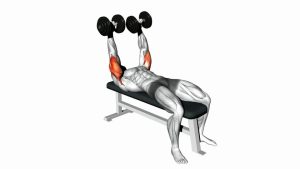
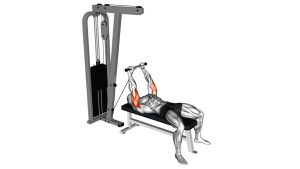
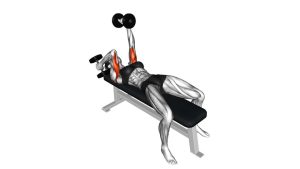
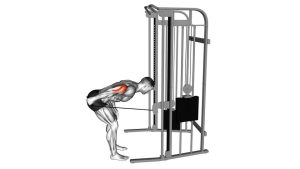
Dumbbell Seated Bench Extension: Proper Form, Sets, Tips & FAQ
Learn how to perform the Dumbbell Seated Bench Extension with proper form for stronger, bigger triceps. Includes setup, step-by-step execution, sets and reps by goal, common mistakes, FAQs, and recommended equipment.
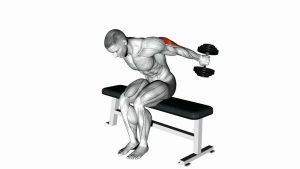
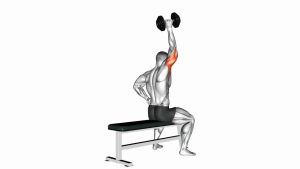
Dumbbell Seated Bench Extension
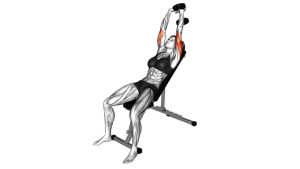
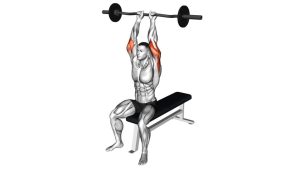
This exercise works best when you stay tall on the bench, brace your core, and move only through the elbows. The upper arms should remain mostly fixed while the dumbbell travels behind the head and returns to lockout. You should feel a strong stretch in the triceps at the bottom and a full contraction at the top. Use a load you can control without flaring the elbows excessively or leaning back to cheat the rep.
Quick Overview
| Body Part | Triceps |
|---|---|
| Primary Muscle | Triceps brachii (long head emphasis) |
| Secondary Muscle | Medial and lateral triceps heads, forearms, core stabilizers, shoulders for support |
| Equipment | Flat bench and one dumbbell |
| Difficulty | Intermediate |
Sets & Reps (By Goal)
- Muscle growth: 3–4 sets × 8–12 reps with controlled lowering and full lockout
- Strength focus: 4–5 sets × 5–8 reps using heavier weight and strict form
- Technique practice: 2–3 sets × 10–15 reps with a lighter dumbbell and slower tempo
- Finisher / pump work: 2–3 sets × 12–20 reps with short rest and constant tension
Progression rule: Add reps first, then increase weight only when you can keep your elbows steady, maintain full control at the bottom, and finish each rep without excessive torso movement.
Setup / Starting Position
- Sit tall on a flat bench: Plant your feet firmly on the floor and keep your chest up.
- Grip one dumbbell with both hands: Hold the inner side of the top plate or dumbbell head securely.
- Press the dumbbell overhead: Start with arms extended and the weight centered above your head.
- Set your elbows: Keep them pointing generally upward, close enough to stay aligned without forcing them unnaturally inward.
- Brace your torso: Tighten your core and avoid excessive lower-back arch before starting the rep.
Tip: Keep your head neutral and ribs down. A stable seated position helps you isolate the triceps more effectively.
Execution (Step-by-Step)
- Start at overhead lockout: Hold the dumbbell above your head with the elbows extended.
- Lower with control: Bend at the elbows and guide the dumbbell down behind your head.
- Keep the upper arms mostly fixed: Avoid turning the movement into a shoulder exercise.
- Reach a deep but safe stretch: Lower until you feel strong triceps tension without losing posture.
- Extend the elbows: Drive the dumbbell back up along the same path until your arms are straight.
- Contract at the top: Squeeze the triceps briefly, then begin the next repetition smoothly.
Pro Tips & Common Mistakes
- Keep the elbows under control: Slight natural movement is fine, but avoid excessive flaring.
- Use a full range you can own: The bottom stretch is valuable, but only if you stay stable.
- Do not rush the eccentric: Lowering too fast reduces tension and increases stress on the joints.
- Brace the core: Leaning back heavily turns the rep into a compensation pattern.
- Keep wrists neutral: Do not let the dumbbell fold your hands backward during the descent.
- Choose the right load: Too much weight often leads to shortened range of motion and sloppy lockout.
- Focus on the long head stretch: This is one of the biggest benefits of overhead triceps work.
FAQ
What muscle does the Dumbbell Seated Bench Extension target most?
It mainly targets the triceps brachii, especially the long head because the arms stay overhead throughout the exercise.
Is this better with one dumbbell or two?
This version is typically performed with one dumbbell held by both hands. That setup usually feels more stable and easier to control for overhead extensions.
How low should I lower the dumbbell?
Lower it until you feel a strong triceps stretch while keeping your elbows controlled and your torso upright. Do not force depth if it causes elbow or shoulder discomfort.
Can beginners do this exercise?
Yes, but beginners should start with a light dumbbell and focus on posture, elbow control, and tempo before trying heavier loads.
What are the most common mistakes?
The most common issues are flaring the elbows too much, arching the lower back, using too much weight, and cutting the range of motion short.
Recommended Equipment
- Adjustable Dumbbells — useful for progressing load over time without needing a full dumbbell rack
- Adjustable Weight Bench — provides a stable seated base for overhead triceps work and many other exercises
- Wrist Wraps — helpful if you want extra wrist support when handling heavier dumbbells
- Resistance Bands Set — great for warm-ups, elbow prep, and extra triceps accessory work
- Workout Gloves — can improve grip comfort when holding heavier dumbbells overhead
Choose equipment that helps you keep the movement controlled and comfortable, especially when training overhead.