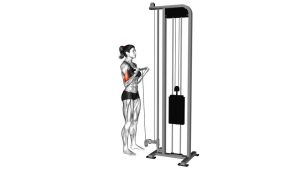
Cable Kneeling Triceps Extension: Form, Sets, Tips & FAQ
Learn the Cable Kneeling Triceps Extension for stronger, bigger triceps with constant cable tension. Includes setup, step-by-step form, sets by goal, common mistakes, FAQs, and recommended equipment.
Cable Kneeling Triceps Extension
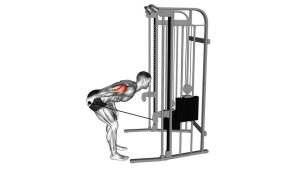
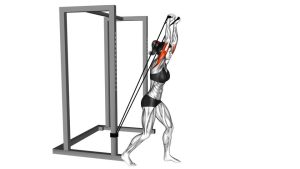
This exercise works best when you keep the elbows mostly fixed and let the forearms do the moving. You should feel tension through the triceps from the stretched overhead position all the way into lockout. The kneeling stance makes it easier to stay braced, minimize swinging, and keep the line of pull consistent. If your elbows flare excessively, your lower back arches, or you use momentum, reduce the load and tighten your setup.
Quick Overview
| Body Part | Triceps |
|---|---|
| Primary Muscle | Triceps brachii (long head emphasis) |
| Secondary Muscle | Medial and lateral triceps heads, shoulders and core as stabilizers |
| Equipment | Cable machine with rope attachment, kneeling pad optional |
| Difficulty | Beginner to Intermediate |
Sets & Reps (By Goal)
- Muscle growth: 3–4 sets × 8–15 reps with 45–75 seconds rest
- Strength-focused accessory work: 3–4 sets × 6–10 reps with 60–90 seconds rest
- Technique and control: 2–3 sets × 10–15 reps using a slow eccentric
- Finisher / pump work: 2–3 sets × 12–20 reps with short rest and strict form
Progression rule: Add reps first, then increase the load only when you can keep the elbows stable, control the stretch, and finish each rep without swinging or arching.
Setup / Starting Position
- Set the pulley high: Attach a rope to the upper pulley of a cable machine.
- Grip the rope neutrally: Hold each end of the rope with palms facing each other.
- Kneel facing away from or slightly under the pulley line: Choose a position that keeps the cable aligned comfortably overhead.
- Bring the rope behind your head: Bend the elbows so your forearms move behind the head into the loaded stretch position.
- Brace the torso: Keep the ribs down, core tight, and spine neutral. Avoid leaning back excessively.
- Fix the upper arms: Keep them angled slightly forward and as steady as possible before starting the rep.
Tip: A soft pad under the knees can make the setup more comfortable and help you focus fully on triceps execution.
Execution (Step-by-Step)
- Start from the stretched position: Let the elbows bend while keeping tension on the cable and the rope behind your head.
- Extend the elbows: Push the rope forward and slightly upward/outward until your arms are nearly straight.
- Keep the upper arms still: The elbows should stay tucked and stable instead of drifting all over the place.
- Squeeze the triceps: Briefly contract at the bottom without slamming into lockout.
- Return under control: Slowly bend the elbows and guide the rope back behind your head into a deep stretch.
- Repeat smoothly: Maintain tension throughout the set without bouncing or relaxing at the top or bottom.
Pro Tips & Common Mistakes
- Keep the elbows in: A little natural movement is fine, but excessive flaring reduces triceps isolation.
- Use the stretch: The long head responds well to overhead work, so control the bottom position instead of rushing through it.
- Don’t overarch the lower back: Brace your core and keep the ribcage from popping up.
- Avoid momentum: Kneeling helps, but you still need to keep the torso steady and the reps strict.
- Separate the rope naturally: Let the rope ends move apart slightly at lockout for a stronger contraction.
- Control the eccentric: A slow return improves tension and usually makes the exercise feel much better on the triceps.
- Don’t go too heavy too soon: This is an isolation lift, so clean mechanics matter more than moving maximum weight.
FAQ
What part of the triceps does the Cable Kneeling Triceps Extension target most?
It emphasizes the long head of the triceps because the arms are positioned overhead, which places that portion of the muscle under a deeper stretch.
Is kneeling better than standing for this exercise?
Kneeling is often better for strict form because it reduces momentum and helps you stay braced. Standing can work too, but it may be easier to cheat the movement when fatigue sets in.
Should I use a rope or a straight bar?
A rope attachment is usually the best choice here because it allows a more natural wrist position and lets you separate the hands slightly at the finish for a stronger triceps squeeze.
How heavy should I go on this exercise?
Use a load that lets you keep the upper arms stable, hit a full stretch, and control the return. Most lifters get better results using moderate weight with strict technique rather than chasing heavy reps.
Can beginners use this exercise?
Yes. Beginners can use it effectively as long as they start light, learn the overhead position, and focus on elbow control instead of trying to move too much weight.
Recommended Equipment
- Tricep Rope Cable Attachment — the best attachment option for a comfortable neutral grip and strong lockout contraction
- Cable Machine Handle Attachments — useful for building a more complete cable training setup for arm work
- Exercise Knee Pad — improves kneeling comfort and helps you maintain focus during strict sets
- Weightlifting Gloves or Grip Pads — can improve comfort and grip security on higher-rep cable work
- Resistance Bands Set — a useful backup for triceps pump work, warm-ups, and travel-friendly arm sessions
Tip: For the best setup, start with a quality rope attachment and a comfortable knee pad. Those two upgrades usually make the biggest difference for this movement.